Home, News

The Death of a Queen

by Ava Salado

“The Queen died peacefully at Balmoral this afternoon. The King and The Queen Consort will remain at Balmoral this evening and will return to London tomorrow.” 

photo by Harper’s BAZAAR

This was posted on a small, framed piece of white paper outside Buckingham Palace at precisely 6:30, September 8th, 2022. One can only imagine that some passersby thought for a moment it wasn’t true. That someone had put the paper up as a “joke”. But, unfortunately this was not the case. Earlier that day, The Royal Family’s official Twitter account had made the same announcement. Like with any breaking news, rumors started spreading fast surrounding the legitimacy. It is both sad and comical that even when a direct announcement comes from the Royal Family themselves, the world could not believe it. When something this unbelievable happens, the world could, sort of, go into a shock. Maybe most of us didn’t know her personally, but she is, in many ways, a humongous part of our world and being. Many, from all walks of life, can’t even remember a time when she wasn’t a Monarch. That’s what makes this all so unbelievable. We have lived with her as a part of our subconscious for so long, many will find it hard to let go. Those living in the US have a president, and yes we may feel attached to a certain one, but in the grand scheme of things, he is only with us for four to eight years, then moves on. And that is why all our hearts go out to the people that have called Her Majesty The Queen for so long. I guess the London Bridge has finally fallen down.
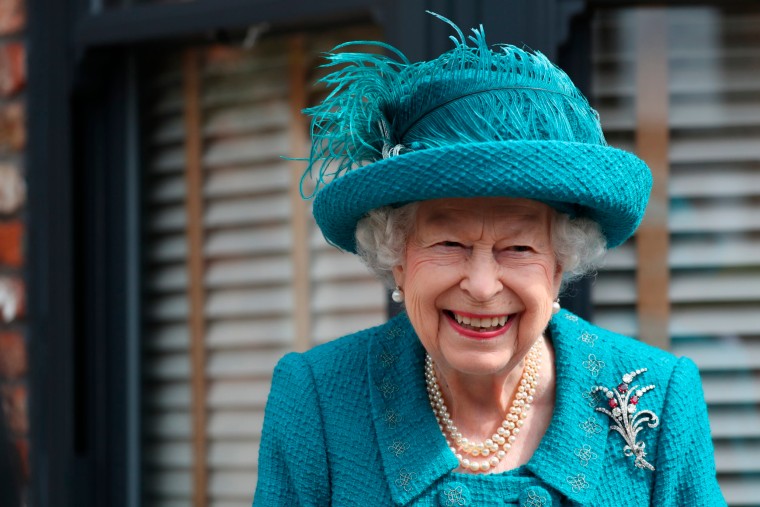
photo by Scott Heppell WPA
photo by Masala!

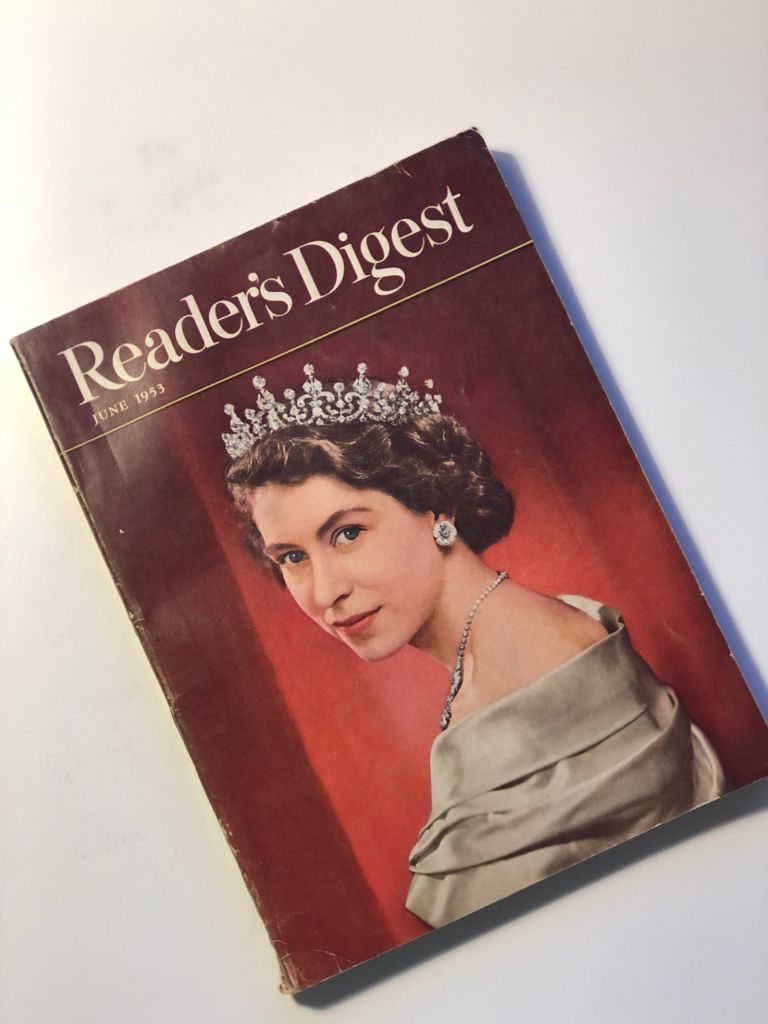
Elizabeth Alexandra Mary Windsor was born April 21, 1926 in Wayfair, London. Her father, Prince Albert, Duke of York (later King George VI), and mother Elizabeth, Duchess of York (later Queen Elizabeth The Queen Mother), were delighted to have their, one day, future monarch. Four years later, her beloved sister, Princess Margaret, Countess of Snowdon was born. January 20, 1936 her grandpa and former King of the United Kingdom George V passed away. This made her father George VI the King, which meant Elizabeth must prepare for the inevitable… that she would be queen one day. She was schooled at home with her sister and taught things like literature, history, language, and music. But the underlying message in every lesson was ‘How to be Queen’. In her later years she was greeted with many opportunities. Going places, seeing things, and meeting people many others could only dream of. Including being introduced to her future husband Prince Philip of Greece and Denmark (later Prince Philip, Duke of Edinburgh). To learn more about him, check out our other article, In Honor of Prince Philip, Duke of Edinburgh. After her father’s unfortunate death from lung cancer, she was crowned on the 2nd of June,1953 at Westminster Abbey in London. In total, she was in rule for an amazing 70 years, longer than any other monarch before her. Her reign included so many accomplishments which shaped the world we know today. All we can do now is hope for the future and appreciate the past.

Personal note: 

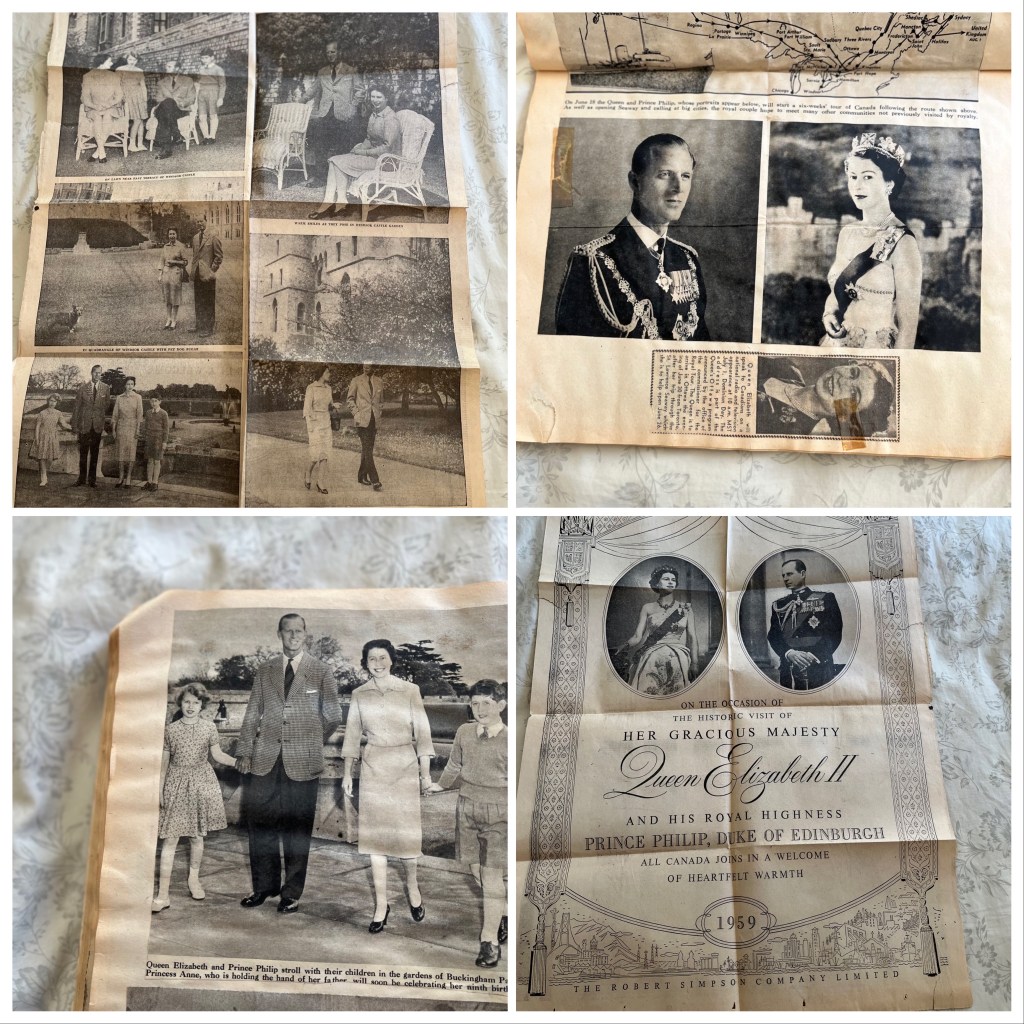
A close contact of a Lighthouse staff found some original newspaper clippings from the time of the Queen’s reign. This contact lives in a British commonwealth country and can recount many ways the Queen’s influence shaped the way they live today. Recently, in the dusty abyss of my garage, I found a copy of Reader’s Digest June 1953 with a very interesting article titled Buckingham: Palace of the Queen. Searching in the equally dusty abyss of the internet I could not find the same copy. Just goes to show what treasures you can find.

“I declare before you all that my whole life whether it be long or short shall be devoted to your service and the service of our great imperial family to which we all belong.”

–Her Majesty the Queen 1926-2022
photo’s by Diane & Ernie R.
photo by Ava Salado
News

Growing Up in the Soviet Union

by Lydia I. Martinov

I interviewed my grandfather, Yuri Manirko, who grew up in the Soviet Union. He lived in the city of Odesa located in Ukraine. 31 years ago, this country was one of the republics of the Soviet Union. Yuri moved to the United States at the age of 36 in 1994, in order to start a new life with his family. 

Photo of Yuri Manirko as a child in 1972

Why did you and your family make a decision to leave the country where you spent your whole life to move to the U.S.?

“I wanted my children to live in a free country. The Soviet Union was a socialist nation, and the people were living there almost like slaves. Citizens were not able to live, work, or travel where they wanted. They needed permission from the government to do almost anything. Education and healthcare was free, but that does not mean it was good. The government didn’t even let me visit my friend in Eastern Germany.”                                    

What was life like in the Soviet Union and how did it differ from life in the United States?

“In the Soviet Union, the government controlled absolutely everything. Also, there were 3 types of jobs: farmers, factory workers and jobs that require a good education like engineers, scientists, ect. My mother was a distinguished medical doctor, yet, her salary was lower than that of a factory worker. Blue collar jobs that require no education were much higher paid than scientists, doctors and engineers. This was incredibly unfair and, frankly, took away the motivation for people to study or excel. Life was terrible in the Soviet Union, and living here is much better.”

What was your home like when you were growing up?

“My parents and I lived in a communal apartment. It was very small, and we lived there with 3 other families. Each family lived in a small, single bedroom. We shared one bathroom and a tiny kitchen with three tables. Oh, and to get hot water in the bathtub, we needed to make a fire.”

Odesa is a large city with, roughly, a million residents. Getting around could get tricky. Most American families own one or two cars, but that was not the case for you. How did you and your family get around the city of Odesa? 

“A few people owned a car, but not a lot. Most people used public transportation, and had to squeeze into a bus or a trolley. It was available all around the city. Public transportation never ran on schedule. You could easily end up waiting for a bus for an hour in the freezing cold, even though there was supposed to be one every 10 minutes.”

What was your favorite part about going to school in the Soviet Union?

“The soviet children were in the same class of about 30 people from kindergarten to 10th grade, so friends were always in the same class.”

What was your least favorite part of school back there?

“They forced us to work very hard for 6 days a week (Monday – Saturday), and our teachers did not hesitate to scream rude things at us.”

What did your family do in the summer and where did you go on your vacations?

“We didn’t go on vacations, but luckily, we lived near the beach, so my parents would sometimes take me there in the summer.”

Were you able to travel to other countries around the world?

“It was prohibited by the government.” 

What kind of hobbies and extracurricular activities did you and your friends have growing up? Were the non-school activities similar to the ones we have in the U.S.?

“I was part of the track and field team, and I spent a lot of time out on the field. I started in 4th grade and stopped in 10th grade. There were a few other extracurricular activities available, but I only took part in track and field.”

How did shopping for supplies such as food, clothing, school and craft items in the Soviet Union differ from shopping in the U.S.?

“The grocery store had very few items. If you wanted to buy meat, cheese, etc., then you would have to go to the farmer’s market, even though the farmer’s market was much more expensive. Each family spent about 75% of their income on food.”

What was your favorite food in the Soviet Union?

“Fried eggs and beef stew.”

What stood out to you the most when you moved to the U.S.A.?

“Honesty and dignity.”

You witnessed the collapse of the Soviet Union in 1991. This was three years before you got a chance to move to the United States. What changes have you witnessed around you, once Ukraine was declared an independent country?

“I was surprised that nothing had changed. People voting in the first Ukrainian election elected a person from the communist party. After that, I realized that the people didn’t understand freedom.”

You have been living in the United States for almost 28 years. Are you happy with the decision you made almost 30 years ago to relocate your family and restart your life?

“Absolutely! Even now, I wake up in the morning thinking about how happy I am to live here, in the United States.”

Thank you for telling me about what growing up in the Soviet Union was like.

Photo of Yuri as a Pioneer in 1966

News

A Crash Near Alcosta

by Lydia I. Martinov

Crash! A huge, high-speed car accident occurred on the freeway. Poof! The airbags emerge!

Lilly*, a 5th grade homeschooler, was in a car crash on Friday, April 22, 2022, just after 4:15pm. It was on the 680 freeway, near Alcosta Boulevard. 4 cars, other than the one she was in, were involved in the accident.

People came to ask if she and her grandpa were okay.           

Nobody is sure how exactly the crash happened, but they can make some guesses.  Lilly was the only one with an injury, although, it was minor. Lilly needed to get medical attention and tests because the paramedics thought that she may have had internal bleeding.  

Lilly was looking at some papers in her hands in the front passenger seat, and when she looked up, the car in front of hers was an inch away. The next second, there was a loud bang, and smoke emerged from the airbags. She was trying to find something to hold on to for dear life. About 5 seconds later, the car stopped, and Lilly was gasping for breath. A woman came to ask if she and her grandpa were okay, and somebody called 911. The paramedics came and started to assess if Lilly broke anything, or had any cuts or scrapes. One cut on her neck from the seatbelt worried them. There was a minor scrape on her stomach too, and they thought that she should get checked for internal bleeding. Her parents were on the other side of the country, so they couldn’t help out very much, but Lilly still had them on the phone.  By 4:30pm, all the lanes of the freeway were temporarily blocked. Lilly’s aunt rushed over to help.  Without her, Lilly would have had a much harder time. After some decision-making, Lilly was taken to the children’s hospital in Oakland in an ambulance with her aunt. She had to stay in the hospital for five and a half boring hours. Lilly had to get two IV’s and was not happy about it at all. The first one: is for blood testing, and the second: is for a CT scan. She needed to take 2 X-rays, as well as an ultrasound.  The airbag bruises were very unpleasant, but she was okay. She had her parents on the phone too. Soon, her grandpa came to the hospital with some food that Lilly’s grandma had made. A doctor came in to say that her test results were in, but they needed a second opinion to check them, which made Lilly feel worried. Later, a different doctor came, and he said that she was okay. This was amazing, but she couldn’t leave until they removed the IV’s. Finally, she was back home safe and sound, way too shaken up to sleep.

After going through this terrifying experience, Lilly learned that it is important to be extra careful on the road. That was one wild day.

*Some names were changed to protect the privacy of the individuals involved.

News

Who was Judith Love Cohen?

by Ava Salado

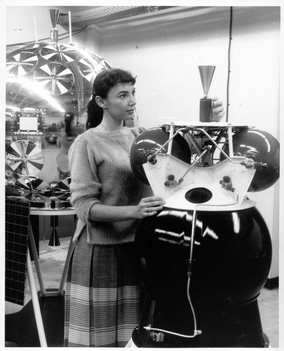
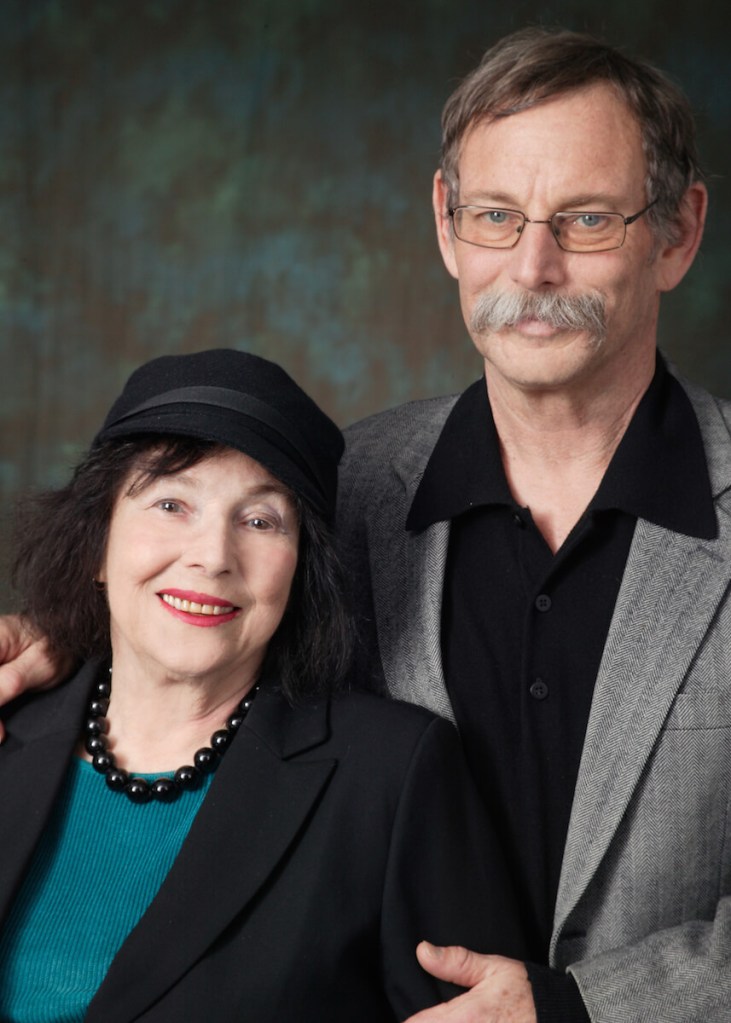
Here is the story of a woman who helped the world in so many ways and helped show that women deserve a place in the engineering space in her time (1950s and 1960s). Growing up in a time when it was almost impossible to find respect in the work she was in, she worked hard for her respect and eventually got it, blazing the trail for women all around. You may have never even heard of her, this woman’s name is Judith Love Cohen.

Photo Courtesy Of NFCC

Cohen’s life started in Brooklyn, New York. On August 16th, 1933, she was born to Sarah and Morris Bernard Cohen. Once her parents started putting her in school, they saw that she had a true thirst for knowledge, and soon after, kids started paying her to do their homework. Cohen’s best and favorite subject was math, and she soon realized that she wanted to be a math teacher when she grew up. She studied dance for the Metropolitan Opera Ballet company and got a scholarship to go to Brooklyn College to study engineering, and eventually got a major in math. Cohen later decided that she liked engineering better. She was usually the only girl in her math classes and was the only woman in her engineering classes in college. Cohen married a man named Bernard Seigle, who she had met at Brooklyn College as a classmate. They ended up having three children together, Neil, Howard, and Rachel. Cohen and Seigle divorced in the mid-’60s. Cohen then remarried Thomas “Tom” William Black; they had one child then divorced later on. After the divorce, she married David A. Katz, and they were married until Cohen’s death in 2016.

Photo Courtesy of USC Viterbi School of Engineering

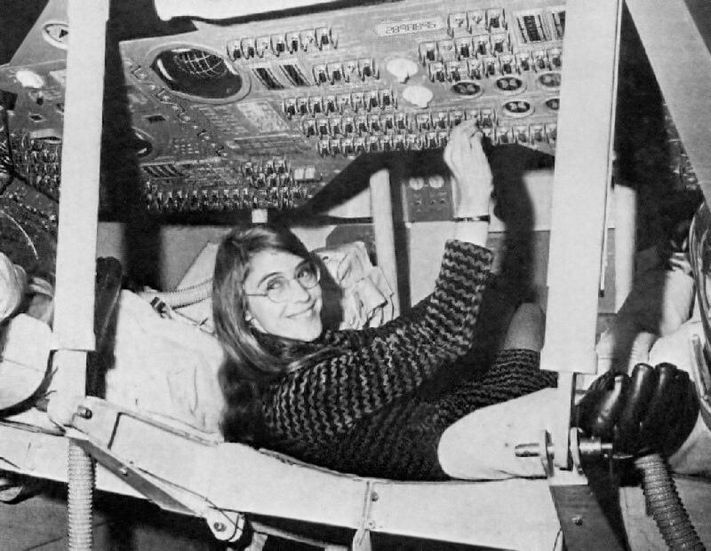
Her engineering work started in 1952 as a junior engineer for North American Aviation. She then graduated from USC Viterbi School of Engineering in 1957 and got a job at Space Technology Laboratories. Her extensive resume includes her work on the guidance computer for the Minuteman missile and the Abort-Guidance System in the Apollo Lunar Module. In fact, her Abort-Guidance System helped get the stranded astronauts back home on the tragic Apollo 13 mission. Cohen claimed this was the highlight of her career. The astronauts gave her a “thank you” at Redondo Beach once they returned. She loyally stayed with that company until 1990, when she retired. Once she retired, her work did not stop there. She started her own publishing company with her husband, David Katz, named Cascade Pass. Cohen published many books, and we have her to thank for writing and co-writing the “You can be a woman” series and so many others. 

Photo Courtesy of Forbes

This incredible woman showed determination and hope when there was none, drive, and a deep love and appreciation for her work. This was shown on August 28th, 1969, when she was in the middle of solving a very important problem when she went into labor with her 4th child, the one I mentioned earlier. When she needed to go to the hospital, she made a stop at the office, did some work and grabbed her paperwork then headed out to finally go to the hospital. She worked the entirety of her labor, and right before she gave birth, she solved the problem! Right after, she called her boss, and according to Neil Seigle (her first child), he said“later that day, she called her boss and told him that she had solved the problem. And… oh, yes, the baby was born too.”  The baby she gave birth to was, well, we know him as… Jack Black.  

News

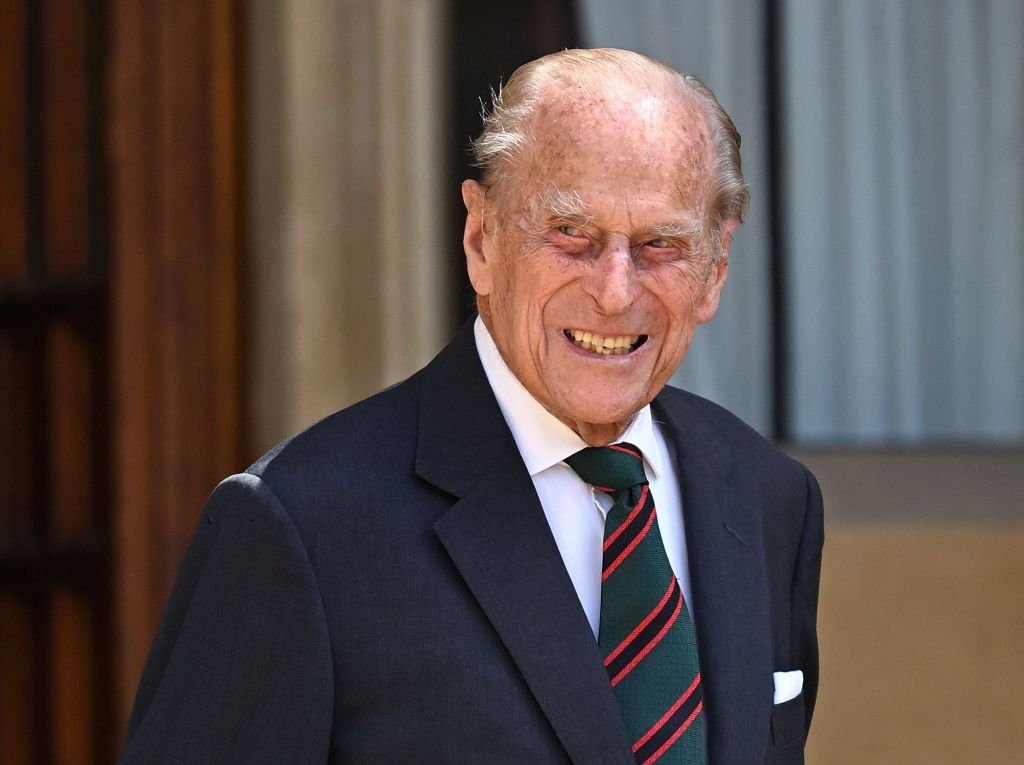
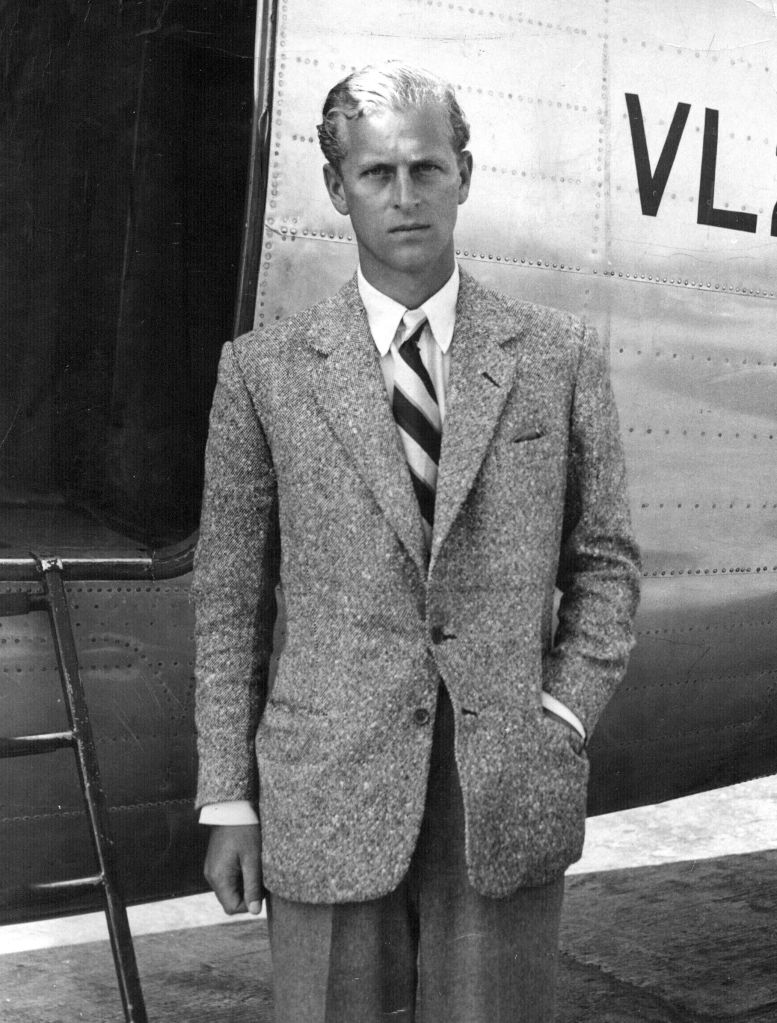
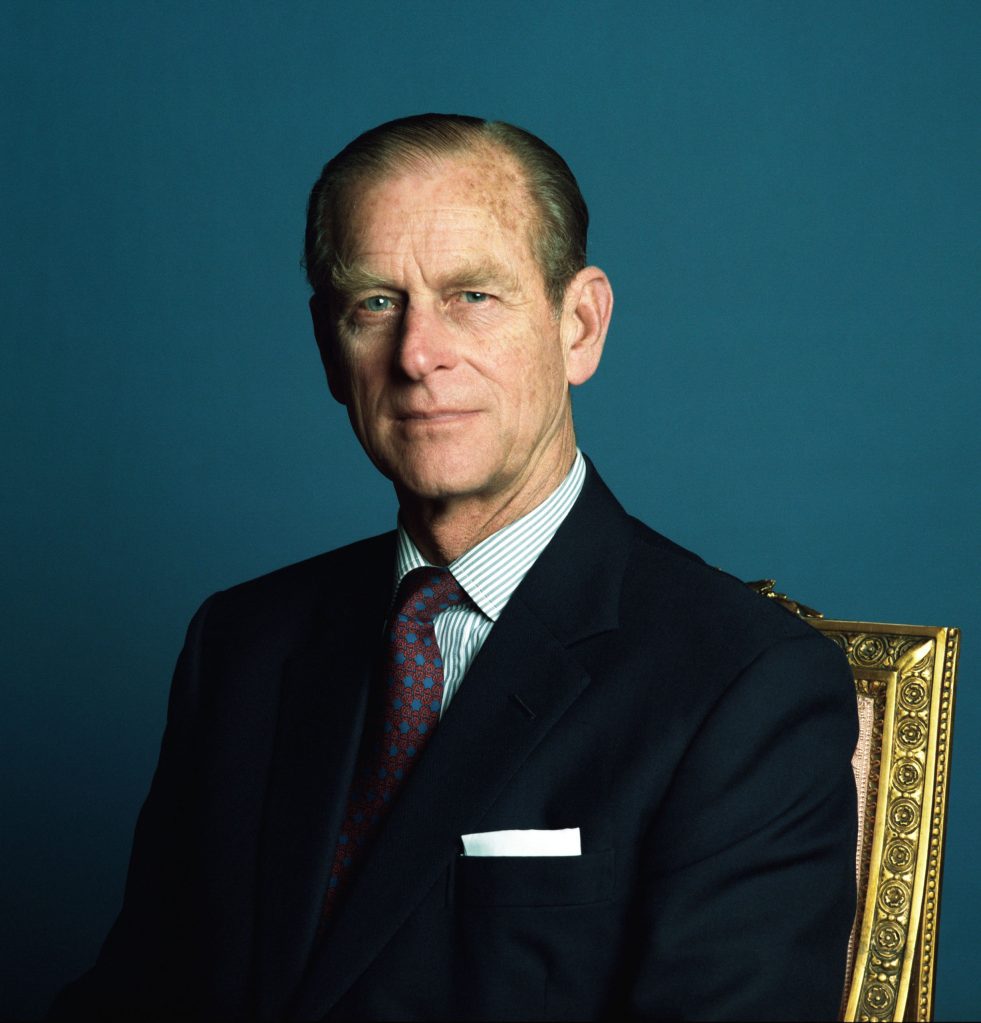
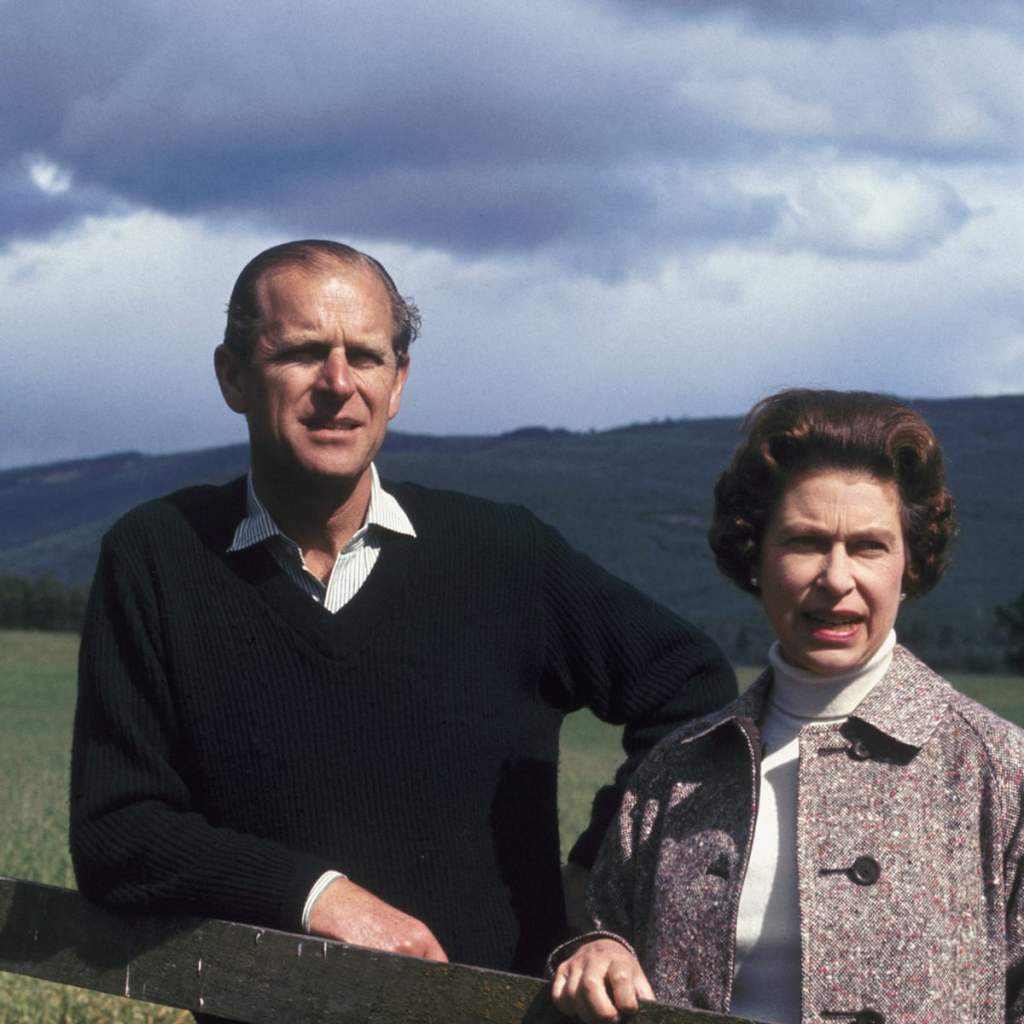
In Honor of Prince Philip, Duke of Edinburgh

by Ava Salado

Photo Courtesy of Town and Country Magazine

It has been a sad couple days for the royal family, for Great Britain and for the world.

Prince Philip, Duke of Edinburgh, passed away April 9th 2021. The royal family made a statement to share the news on their official website this Friday. They report that he passed “peacefully” in Windsor Castle. Prince Philip and Queen Elizabeth II have been married for 73 years now and have been through good and bad together, being the longest marriage in British monarch history. Their somewhat “fairytale” love story is one for the ages and his extraordinary life is truly one to remember. 

Photo Courtesy of Cosmopolitan

He was born June 10, 1921 in Mon Repos, Corfu, Kingdom of Greece to Greek and Danish royal Families, he was the only son of five children and last born. He was related to 

George I of Greece, King of Greece from 1863 to 1913 and Christian XI of Denmark because he was in line for both thrones. The Greco-Turkish war went badly, and Phillip’s family was thought at risk and banished from Greece.  Phillips family escaped safely in a cot made of fruit boxes and went to France where they settled in a small French suburb. 

Photo Courtesy of The New Yorker

Phillip first went to The Elms school, then he went to the Cheam School in the United Kingdom. He lived with his grandmother Victoria Mountbatten in the Kensington Palace, then he lived with George Mountbatten, 2nd Marquess of Milford Haven, in Lynden Manor. Prince Philip’s mother was eventually diagnosed with schizophrenia and sent to an asylum, he unfortunately had little to no contact with his mother for the rest of his childhood. After this he was sent to Schule Schloss Salem school of Germany in 1933. The school was owned by his brother-in-law’s family. 

When Philip was 16, his sister Cecilie, her new born child, and two other children, husband, and Cecilie’s mother-in-law all died in a plane crash, then his uncle and guardian died of bone marrow cancer the following year. Phillip endured pain and sorrow throughout his childhood and it scarred him for the remainder of his life.  

Photo Courtesy of Tatler

In 1939 he finished his first term in the Royal Naval College and graduated best cadet in his course. In the second world war, he served in the British forces, while his two brother-in-laws fought on the opposite German side. In January 1940 Philip was appointed midshipman and spent four months in the ship, HMS Ramillies, participating in the Australian Expeditionary Force in the Indian Ocean. 

Photo Courtesy of The Guardian

In 1939, Elizabeth II and her father, King George XI, toured Royal Naval College, Dartmouth, the college that Philip went to. On the visit, Phillip was asked to escort the two daughters of the King around, Elizabeth and Margaret. Elizebeth fell in love with him and they began sending letters to each other, eventually in the summer of 1946 Phillip asked the King if he would give him Elizabeth’s hand in marriage, the king accepted and they were married November 20th, 1947 in Westminster Abbey.

He was an amazing man with an interesting past and we are all truly fortunate to learn about it now, so we thank him for his service and the extraordinary life that he has shared.  

News

In Memory of Christopher Plummer

by Ava Salado

Photo Credit 20th Century Fox

On February 5th, 2021, the world lost another one of it’s greats. Christopher Plummer passed away at the age of 91 with a very full and celebrated career behind him. His work in film, television, and theater has changed how we think of many historical figures. Plummer has been in at least 96 films from the late 40s to present day. His portrayals of Arthur Wellesley, 1st Duke of Wellington in Waterloo (1970), Rudyard Kipling in The Man Who Would Be King (1975), and Leo Tolstoy in The Last Station (2009) and his extraordinary performance as Captain Georg von Trapp in The Sound of Music (1965) all attributed to his legacy. He was also known for his other work as fictional characters, such as his film debut playing Joe Sheridan in Stage Struck (1958), Knives Out (2019) and Ron Howard’s A Beautiful Mind (2001). 

Photo Credit Getty Times

Christopher Plummer was born December 13th, 1929 in Toronto, Canada. He lived with his parents John and Isabella Mary Plummer, he was an only child and when his parents divorced Plummer and his mother moved to Sennevill, Quebec just outside of Montreal. He started acting while attending the High School of Montreal and developed a deep love for the theater and concert pianists. Plummer never attended any University in his life which is one of his regrets. 

Photo Credit Vulture

Plummer made his acting debut in 1948 at the Montreal Repertory Theatre alongside William Shatner. In 1952, he starred in a number of productions at the Bermudiana Theatre, Edward Everett Horton hired him to appear as  Gerard in the 1953 roadshow production of André Roussin’s Nina,

Photo Credit Vanity Fair

He changed the lives of so many people and helped shape musical cinema today, his co-star Julie Andrews told NBC news “The world has lost a consummate actor today and I have lost a cherished friend,” and “I treasure the memories of our work together and all the humor and fun we shared through the years.” Plummer’s friend, family and the world will remember and thank him for the happy memories and some happy tears that he has given us.  

Home, News

Amanda Gorman’s Inaugural Performance

by Emma Ruggiero

Image courtesy of CNN

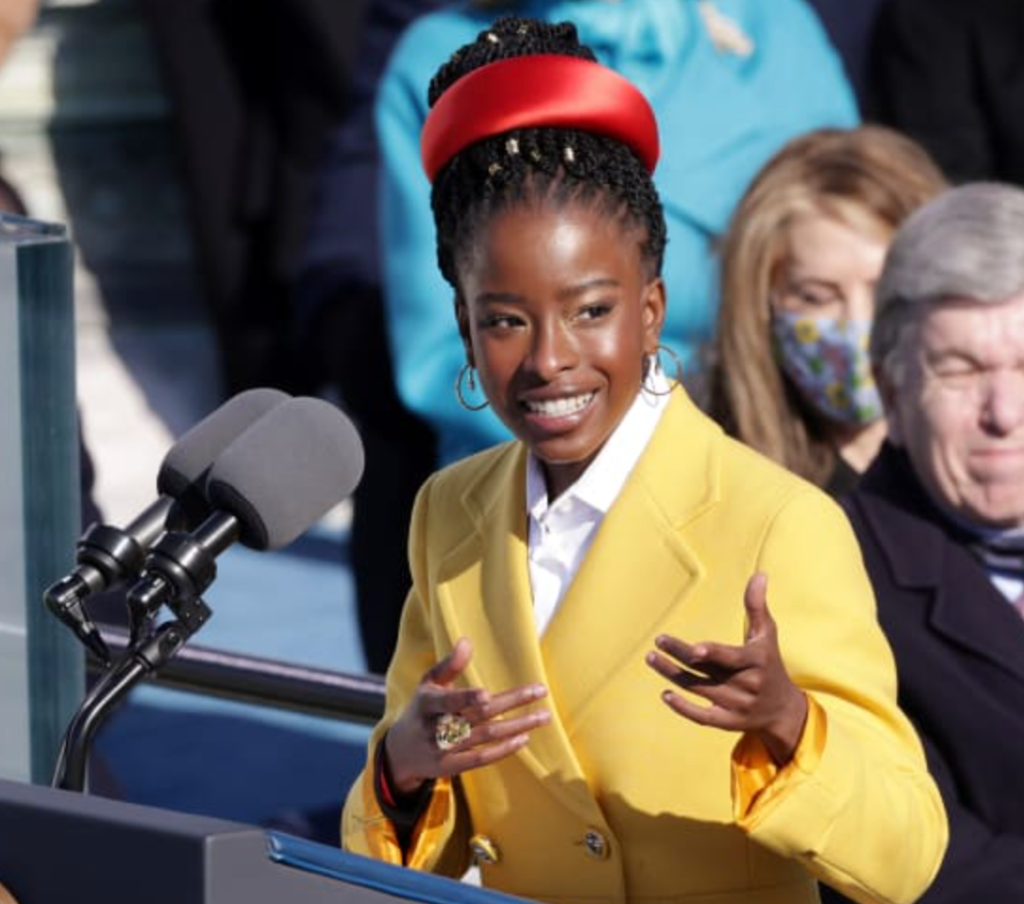
On Wednesday, January 20th, at the inauguration of Joe Biden, 22-year-old Amanda Gorman surpassed all other inaugural performances when she delivered her show-stopping poem, The Hill We Climb. Using her exceptional skill with words, the young writer crafted a poem combining unison, hope, and justice with current events. She even managed to weave in a couple of Hamilton references.

When Amanda Gorman found out that she would be the inaugural poet, she began researching ideas right away. In an interview with Anderson Cooper of CNN, Gorman explained that she was only about halfway through the process of creating her poem when the insurrection happened at the Capitol on January 6. She explained that, as she was watching the violence happening, she was also looking at the tweets and articles that began to pop up. When she saw and read about what was happening, she knew she had to include some of it in her poem. The line “We’ve seen a force that would shatter our nation, rather than share it,” was inspired by several tweets she saw. She said, about the event, “it energized me even more to believe that much more firmly in the message of hope and unity and healing. I felt like that was the type of poem that I needed to write, and it was the type of poem that the country and the world needed to hear.” 

In 2017, Gorman received the honor of becoming the very first National Youth Poet Laureate. When she performed her piece at the 2021 presidential inauguration, she became the youngest of the now six total inaugural poets, the first of which was Robert Frost. Joe Biden is the fourth U.S. President to continue the tradition of inaugural poets. The other three presidents were Barack Obama, Bill Clinton, and John F. Kennedy. 

At the ceremony, Gorman wore a bright yellow coat and red satin hair accessory, which made her stand out against the crowd like a beacon of light. According to an article from CNN, her gold hoop earrings and ring were gifts from Oprah Winfrey. The ring was in the shape of a caged bird to symbolize Maya Angelou, the poet who performed at Bill Clinton’s inauguration in 1993.

In the interview, Gorman also talked about the speech impediment she had been struggling with her whole life, which caused her to drop letters from her words as she spoke. She shared that her love of poetry and writing helped her express herself, and reciting her poems out loud pushed her to challenge her voice and eventually move past her impediment. Even up until college, she struggled to pronounce the letter R. She explained that she practiced pronouncing the letter by rapping along to the well-known Hamilton song, ‘Aaron Burr, Sir.’ 

Gorman’s love of Hamilton inspired her to include a couple of references to the musical in her poem. The lines, “For while we have our eyes on the future, / history has its eyes on us,” allude to the song, ‘History Has Its Eyes On You.’ Gorman admitted, “I’m really proud that I was able to incorporate that [the references] in there.”

Additionally, Gorman revealed that, before her big performance, she closed her eyes and recited her mantra, “I’m the daughter of black writers / We’re descended from freedom-fighters / who broke their chains and changed the world / They call me.”

The final line of Gorman’s beautiful poem sparked peace and hope for all Americans: “For there is always light, / if only we’re brave enough to see it / If only we’re brave enough to be it.”

Home, News

The Inauguration of Joe Biden and Kamala Harris

by The Lighthouse Staff

On January 20th, Joe Biden and Kamala Harris were sworn into their new roles as President and Vice President. The ceremony took place in front of the capitol building, with spectators observing on the lawn below.

Sonia Sotomayor– the first Hispanic Supreme Court justice– swore in Kamala Harris, after which Lady Gaga performed the national anthem. There were also performances by Jennifer Lopez and Garth Brooks.

Joe Biden was sworn in by Chief Justice John Roberts. His inaugural address focused on themes of unity, saying, “Politics need not be a raging fire destroying everything in its path.” He also promised that “I will be a President for all Americans. I will fight as hard for those who did not support me as for those who did.”

After the speech concluded, Amanda Gorman, the youngest ever inaugural poet, recited a poem she wrote in the aftermath of the assault on the capitol. “For there is always light,/if only we’re brave enough to see it/If only we’re brave enough to be it.” After this, Rev. Silvester Beaman, a personal friend of the Bidens, concluded the ceremony with a benediction.

Fewer spectators were present than usual because of the pandemic. Among those present were former presidents Bush, Obama, and Clinton. Former President Trump and former First Lady Melania Trump were not at the ceremony as they had already left for their home in Mar-a-Lago. There were many members of the Biden family present, including grandchildren. It snowed briefly during the inauguration but was mostly sunny.