
by Lucas Garcia
The “P” is silent!
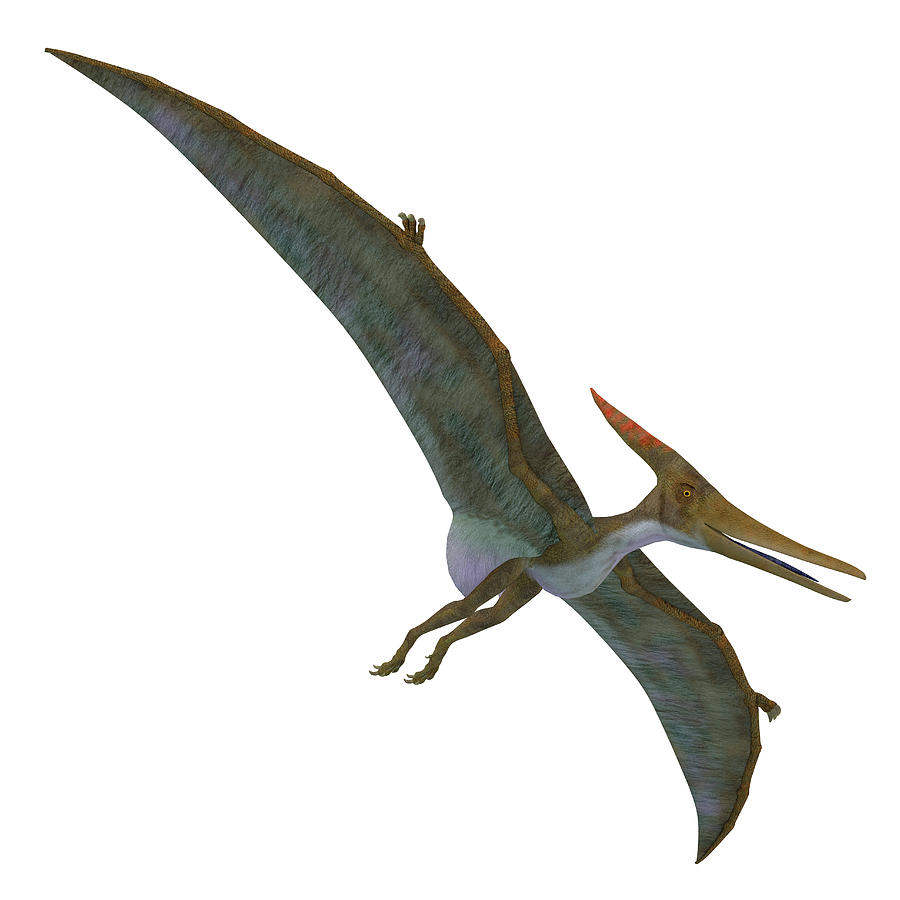
When people think of flying dinosaurs, Pterosaurs are usually what they are referring to. However, while they are closely related, Pterosaurs are not Dinosaurs.
In the early days of Paleontology, “Dinosaur” was a catch-all term for most prehistoric, reptilian animals. As the fossil record grew it became easier to distinguish evolutionary differences in the bone structures of animals. By studying these differences, Paleontologists are able to determine more accurately where animals are placed on the evolutionary tree. For example modern birds evolved from Dinosaurs and not Pterosaurs as some may have assumed.
We now know that both Pterosaurs and Dinosaurs evolved from a group of animals called Avemetatarsalia during the Triassic period, around 230 million years ago. Avemetatarsalia split into two groups: Pterosauromorpha and Dinosauromorpha. Pterosaurs (meaning Wing Lizards in greek) belong to the Pterosauromorpha group, while Dinosaurs (meaning Terrible Lizards) belong to the Dinosauromorpha group. Meaning that although Pterosaurs and Dinosaurs inhabited the same environments and were tied to the same fate, they were part of separate and distinct animal groups.
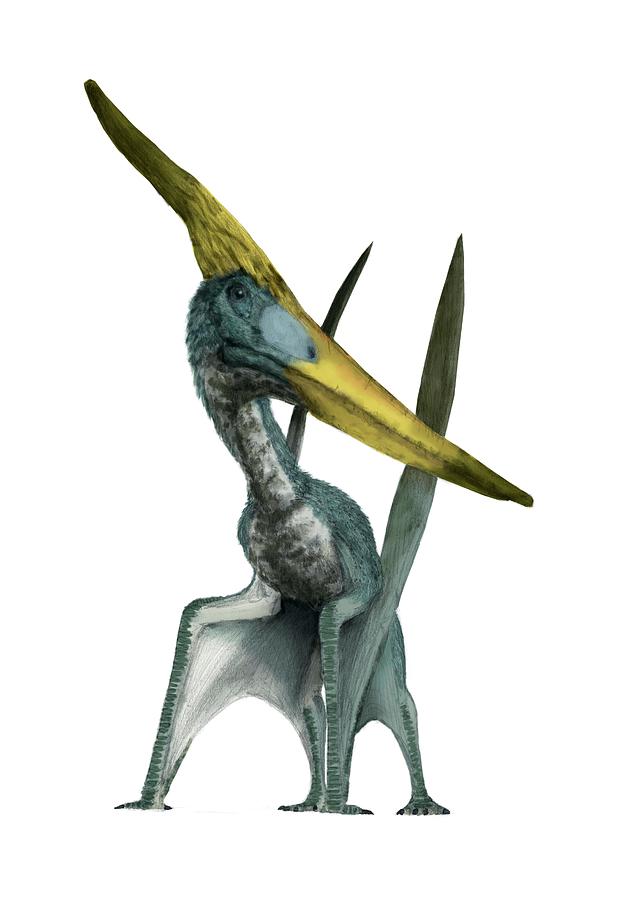
The Pterosaur group was incredibly diverse, from the insect-eating Anurognathids that could fit in the palm of your hand, to the giraffe-sized Azhdarchids. The most famous Pterosaur by far is the Pteranodon, which is one of the only Pterosaurs to have been featured in the Jurassic Park movies. Pteranodon is one of the most well known Pterosaurs scientifically as well, with over 1000 fossil specimens documented. There are so many Pteranodon fossil specimens that Paleontologists were able to determine that it was sexually dimorphic, which means that males and females looked different. In the case of Pteranodon, the males were larger and had longer head crests than the females. Scientists can only guess as to the purposes of these different characteristics.
Pterosaurs were the first vertebrates on earth to evolve powered flight. Powered flight in animals means the ability to ascend without the aid of rising air, using their muscles to generate aerodynamic force. Only Insects, Bats, Birds, and Pterosaurs have developed this ability. This is incredibly impressive considering the massive number of animals that have existed on earth.
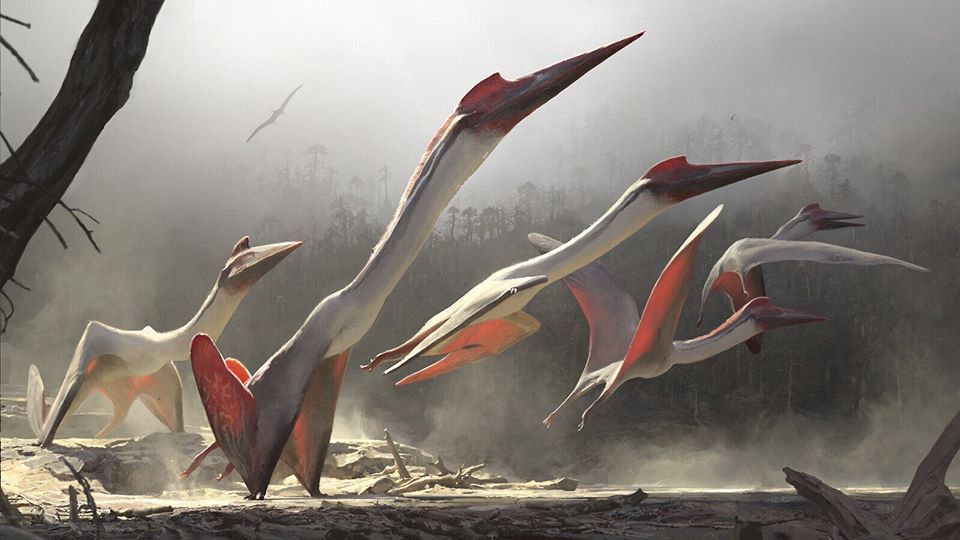
When they were first discovered, it was thought that Pterosaurs were only able to fly by jumping off of cliffs and gliding. That turned out to be very wrong. They could take off from the ground by vaulting themselves into the air with their powerful forelimbs. Pterosaurs developed flight in the Triassic period, and they would dominate the skies for almost 200 million years, until they, along with the Dinosaurs and 75% of all life on earth went extinct at the end of the Cretaceous period.
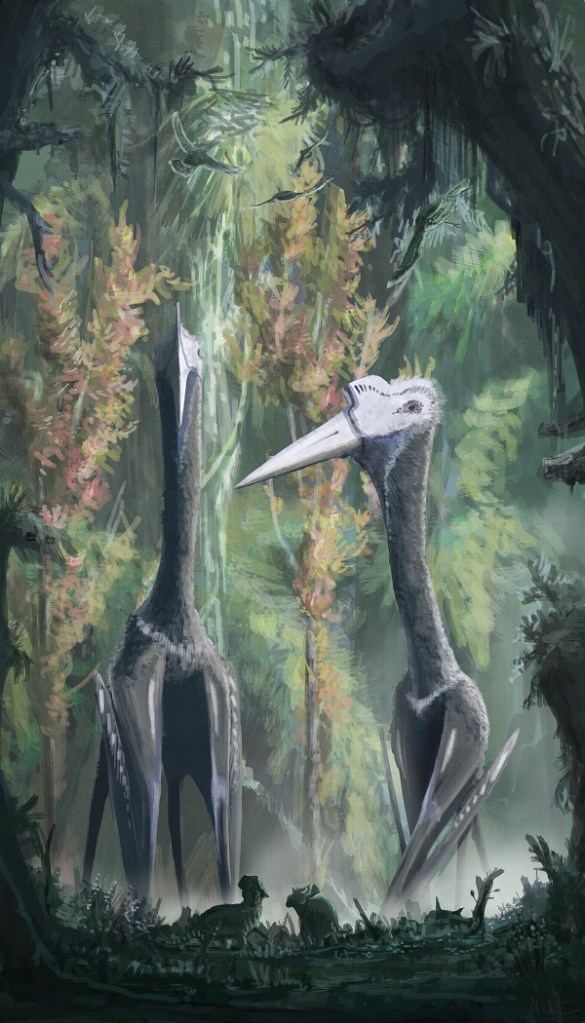
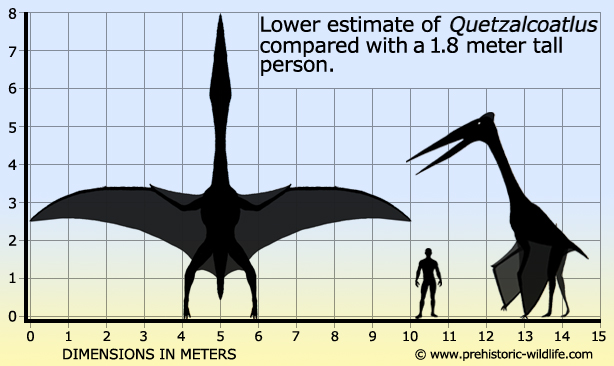
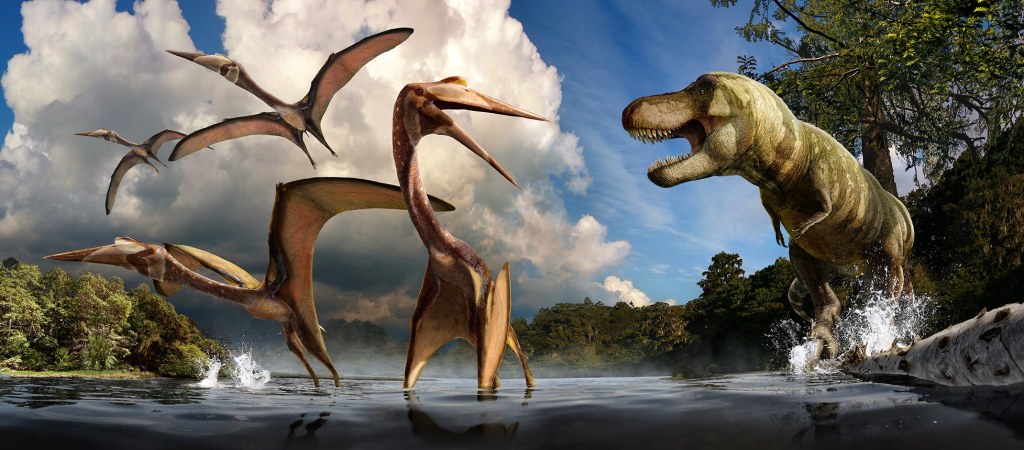
My favorite Pterosaur is an animal called Quetzalcoatlus which lived around 68 million years ago, during the late Cretaceous period. The first Quetzalcoatlus fossils were discovered at the Big Bend National Park in Texas. The Quetzalcoatlus is named after the Aztec feathered serpent god Quetzalcoatl. At the size of a light aircraft and with a wingspan of more than 30 feet, it was one of the largest flying animals to ever live.
I think Pterosaurs are some of the most extraordinary animals that have ever existed. All of the animals that connected Dinosaurs and Pterosaurs went extinct because Dinosaurs evolved characteristics that allowed them to dominate the world around them. By taking to the skies as early as they did, Pterosaurs were able to not only survive, but thrive at a time when Dinosaurs ruled the Earth.
 The Lighthouse