
by Ava Salado
All of us have a hobby, some like drawing, some like cooking, some like writing, and some like gardening. Whether it be your profession or just a leisure activity we always like a few new tips every once in a while, we all want to improve our game and, let’s face it, put our neighbors garden to shame. So here are some tips to have a better, healthier and happier garden this spring.

1. Planting your garden by the Lunar Calendar
Planting by the moon phases has been a trick used for hundreds of years. For example, people would plant their seeds and crops during the three day period of the new moon (when the moon is at its darkest).
The moon can affect when tides come up, when tides go down, and the moisture levels in the soil. When there is a new moon or a full moon, the soil swells and the seeds have a better chance of becoming healthier and better established plants.
2. Putting coffee in your soil

Over 50% of Americans over the age of 18 drink coffee daily, so next time you go to get a cup of caffeine, save the coffee grounds and put them in an airtight jar and store in the refrigerator or cool place. Then when you are ready to plant your veggies, sprinkle the grounds on the top layer of the soil. It is important to know what plants you are dealing with, coffee contains a lot of acid, some plants, like azaleas and blueberries love and need acid, but for other plants like geranium, asparagus, fern, Chinese mustard, and Italian ryegrass, it could be detrimental, use wisely and sparingly. We all find those cold, lost, deserted, unfinished cups of coffee scattered around the house that you might throw down the drain (or just on your lawn). But there is a better way, you can either pour the cooled down coffee on your Hydrangea or compost the coffee and the grounds.
3. All About Winter Gardens
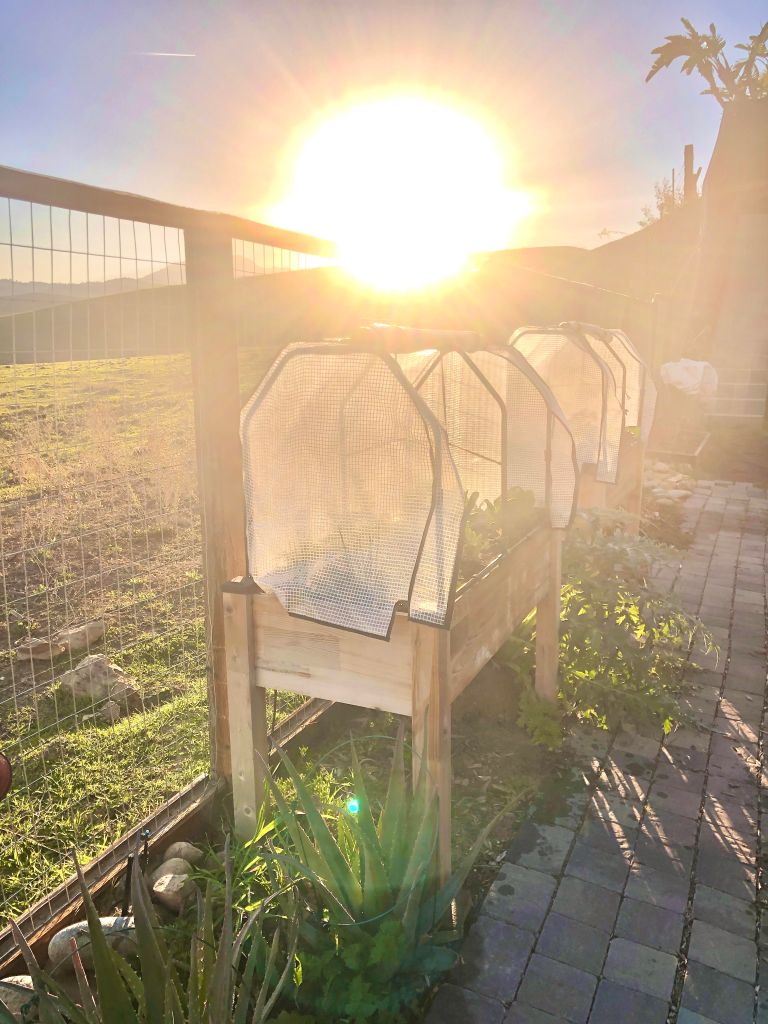
A Winter Garden is a garden box with a zip up cover to block wind, frost and other forces of nature, it is so handy to have when you miss all of your favorite veggies in the cold of winter. When it gets back to spring weather, simply take off the cover and use just the garden box. There are some winter garden covers on the market that are just to cover ground plants. Prices may vary, it really depends on what you are looking for. Some good vegetables to plant in your winter garden are garlic, onions, lettuce, radishes, potatoes, peas, chard, rhubarb, spinach, kale, bok choy and leeks (there’s a Leek in the boat!! Sorry, I had to).
4. How to contain Catnip

If you are like a lot of others and have a furry little beast of your own, then you know the challenge of keeping their favorite, beloved Catnip away from them before it grows. It is by far one of the hardest things to do in gardening, if you plant it in the ground they will rub and roll all over the plant and destroy it. If you plant it in a pot, they are like little ghosts and will find it and knock it off the table or countertop instantly. So what do you do? Try and hide it from the tiny fuzz ball, or just not get it at all? There might be another way.
If you want to grow Catnip in your home, put the seed or pre-grow plant in a plastic pot, put it up somewhere with lots of sun and where your feline can’t get to it. The reason that I say plastic pot is that cats are unpredictable and despite your best efforts of keeping the plant in a high and safe place, your furry friend could still find it. In case they do happen to knock it off the place you put it, the plastic won’t shatter and lead to damaging you, your cat or the floor.
If you want to plant your catnip outside, you can either plant them in your winter garden with the zip up cover that we talked about earlier or make a chicken wire cone about as big as you think your plant will be. But make it tall because you will stick it about 4 inches down in the ground so your cat can’t knock it over. And of course, bend the exposed tops of the chicken wire so it doesn’t poke anybody.
5. How to get rid of Snails and Slugs

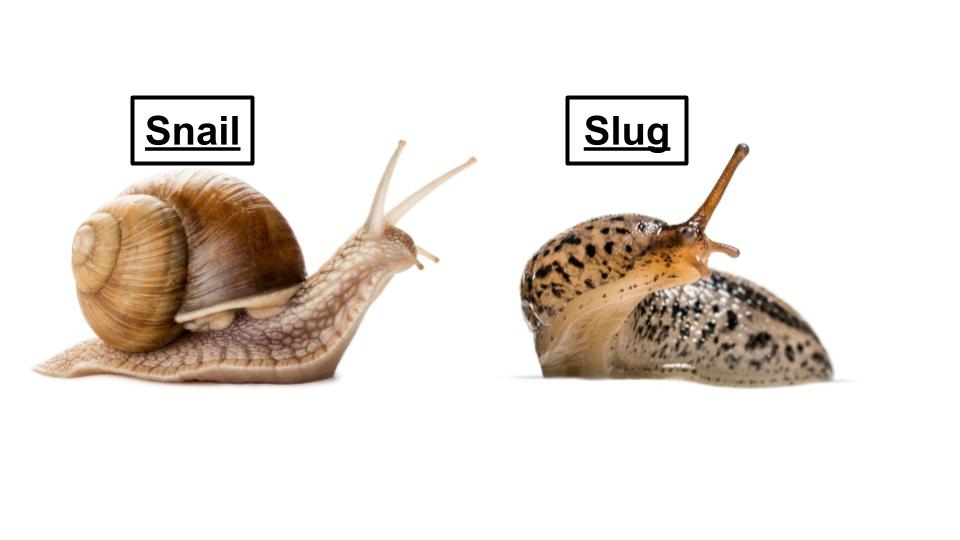
There are thousands of products on the market to get rid of snails and slugs, the problem is, all of them hurt or kill them. There are thousands of products on the market to get rid of snails and slugs, the problem is, all of them hurt or kill them. There are other more natural ways like beer and salt, but they still hurt the insect, so how can you get rid of them while keeping ourselves, the insects, and your garden safe? On a summer or spring night, bring the family out and go on a snail and slug hunt! Grab a bucket and collect as many snails and slugs as you can get. On a good night, you could get up to 300 of them! Then gently place them in your cities compost bin, they will then be transported safely. It is a surprisingly fun family night activity, so grab your rain boots and headlights and let’s find some snails!
Maybe you have some tips and gardening secrets to share, if you do, email us at thelighthousetve@gmail.com and, if you like, we can share those tips in another article. Happy gardening all, I hope these tips help you and your garden and help you enjoy your hobby a little more!
 The Lighthouse