
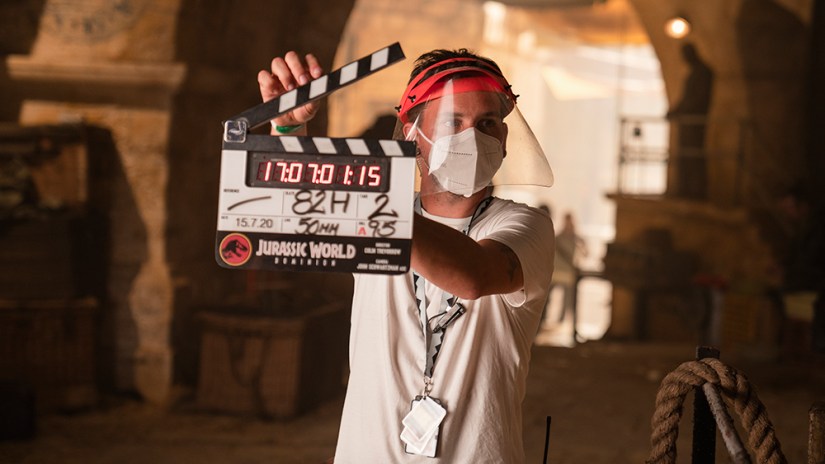
Since the start of the Covid19 pandemic, live-action filmmaking has been drawn to a halt, with new restrictions and safety guidelines preventing many of the franchises we know and love today from being filmed. However, despite this unexpected stop in traditional production methods, many filmmakers have begun trying new mediums with which to tell their stories.
As a small independent filmmaker myself, I’ve spent much of my life creating live-action short films with friends in person, in a variety of locations and genres. Early 2020 found me in mid-production of a fantasy short film with a sizable crew. Unfortunately, in early March, I, like so many other filmmakers and production studios, had to put the short on hiatus given the implementation of quarantine. Some called the Coronavirus the end of traditional media, but filmmakers were not ready to give up so quickly.
A few weeks into the pandemic, an online film course I take as a student launched a virtual film challenge to anyone interested, providing a series of prompts to create a three-minute short from. Many others followed suit with their own challenges and film festivals with the goal of providing small-scale movie-making opportunities to those locked in their own homes. A fair number of popular YouTubers launched their own festivals to their fans, offering prizes for a variety of categories a short could fall into, and as a result, inspiring the massive community of independent filmmakers online to resume their craft.
Theatrical productions essentially came to a temporary close in the pandemic and gave center stage to the online filmmaker community, and with it came a number of new styles and methods of film production. Many creators made solo productions or collaborated with those within their social bubbles, while others found workarounds for their limited number of live-action casts, such as creating storytelling within recorded video games, using green screens, and some even using objects such as puppets as their main actors. Others still utilized the medium of animation to tell their stories. One YouTuber in particular, Joel Haver, kicked off an AI-assisted animation trend (fittingly called the Joel Haver Style) where live-action footage was animated over with the help of an application called EbSynth. These examples barely scratch the surface of the incredible determination of filmmakers to tell their stories in any way possible.
Similar to independent filmmakers, major production studios stayed strong despite the Coronavirus. Animation studios such as Pixar had an easier time of simply moving their animators from the studio to their homes to finish movies like Soul, while live-action studios went through the more rigorous task of having their actors and crewmembers all quarantine so they could record safely, on top of the mask requirements the entire rest of the world also was required to undergo. This seems to have worked, as a decent number of productions have both finished and started during the lockdown.
The Covid19 pandemic put a difficult obstacle in the path of filmmakers everywhere. With our primary method of production now unavailable, it seemed as if movie-making might cease until restrictions lifted. But filmmakers everywhere pressed on despite the trials put before us and gave rise to a whole new plethora of mediums and methods for storytelling. Whatever the world throws at us, we will persevere.
 The Lighthouse