
by Ava Salado
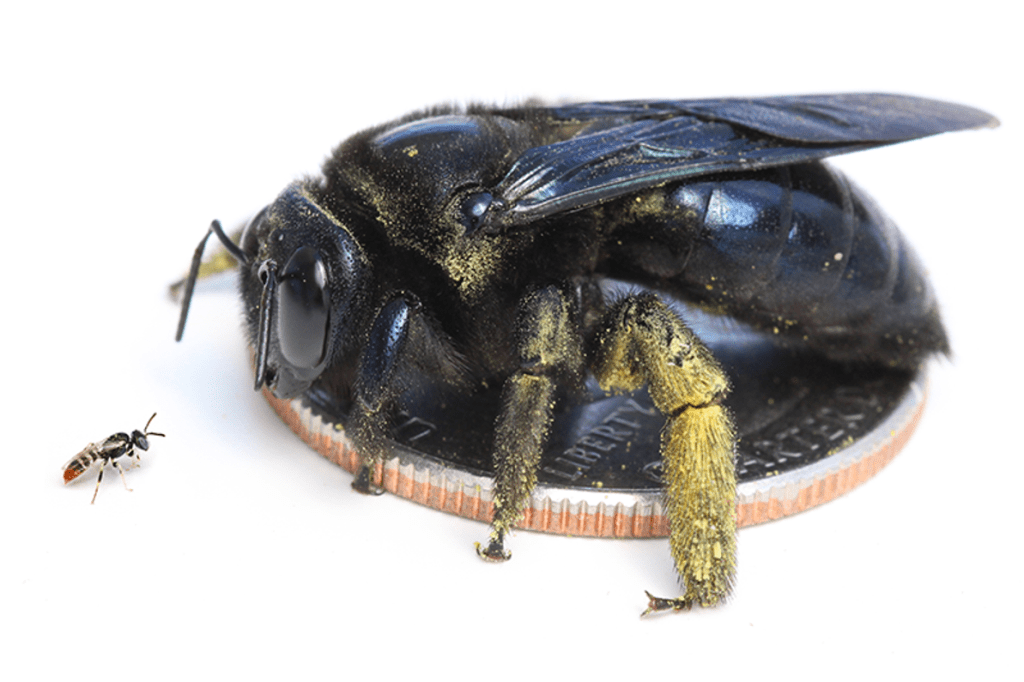
When you think of bees, most people think of hive dwelling, queen born, black and yellow little puff balls. But there’s actually much more than that! Not all bees live in hives, actually, out of 20,000 species, 90% are Solitary bees. 70% of all Solitary bees live underground, and only less than 10% of all species live in hives and make honey. You might be thinking “What in the world is solitary?”
Hive Bees ~ They live in hives, make honey, and are all born from one queen bee.
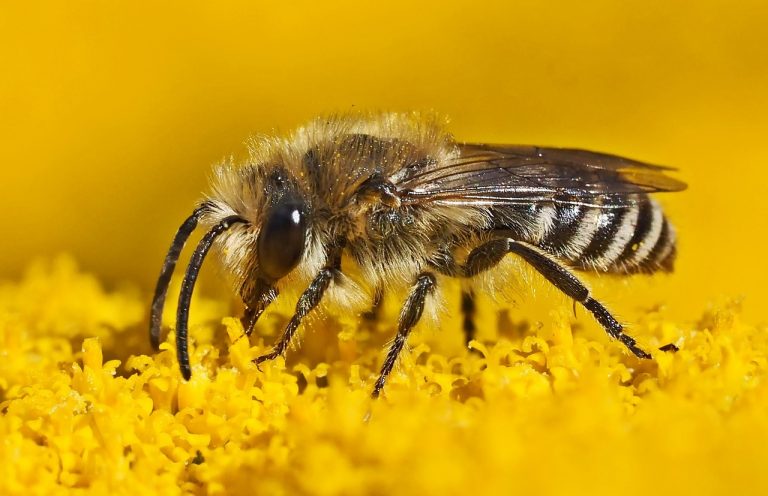
Solitary Bees ~ They do not live in a colony environment, they live as “solitary” creatures and have their own families. They are more efficient pollen gatherers, plus some live underground!
Of course, there is so much more to dig into than that but this is good for now. As with all of history, things happen and the world changes. Very sadly, we have seen a rapid decline in solitary bees in my area which can lead to insufficient pollination of our crops and gardens, and an over reliance on pesticides. “The plight of managed honeybees raised alarms that native bees might be facing similar challenges, says Neal Williams, a pollination ecologist at UC Davis. Although most native bees don’t live in colonies like honeybees do, they too are susceptible to poor diet and loss of habitat,” he says according to the California Native Plant Society article June 24, 2021. So what is leading to the decline? That’s what I wanted to find out and try my very hardest to stop. Over this two-part article, I will first explain why solitary bees are turning to the sad road of extinction, and second how we can stop it.
But first, in order to help we must learn the why of the matter.
1. Pesticides
There was a study done by scientists in South Dakota to show if pesticides, like Neonicotinoids, could cause birth defects or even death in white-tailed deer. They laced the captive deer’s water with various amounts of this chemical. The study found what they expected, unfortunately and sad irregularities in the offspring and their parents. When the deer passed away, the scientists found scary amounts of Neonicotinoids. Some argued that because the deer were in captivity, the study was manipulated, so the scientists tried testing deceased deer born and raised in the wild and found more Neonicotinoids! My point is, if pesticides are affecting deer this horrifically, how do they affect other mammals, amphibians, humans and our precious pollinators? “Exposure to pesticides containing neonicotinoids and fipronil caused the deaths of more than 500 million bees in four Brazilian states between December 2018 and February 2019”, according to an investigation by Agência Pública. Keep in mind, this is just 4 states in just Brazil and in just 3 months. And this is just bees, what about the thousands of other pollinators? We have a state and country that has gained an over reliance on pesticides on our crops, especially in my community. I live in a farming community and have noticed many farms that no longer show a large “Organic” sign above their farm stands. “Beekeepers across the United States lost 48.2% of their managed honey bee colonies from April 2020 to April 2021” according to Auburn University. Pesticides are toxic to these little guys. Things like:
~Insecticides,
~Herbicides,
~Rodenticides,
~Fungicides,
~Neonicotinoids
These are examples of chemicals that are, unfortunately, contaminating the water and pollen that bees use to survive. Bees will (with some varieties) die immediately upon touch. This has led to the sad death of too many bees in my area.
2. Development
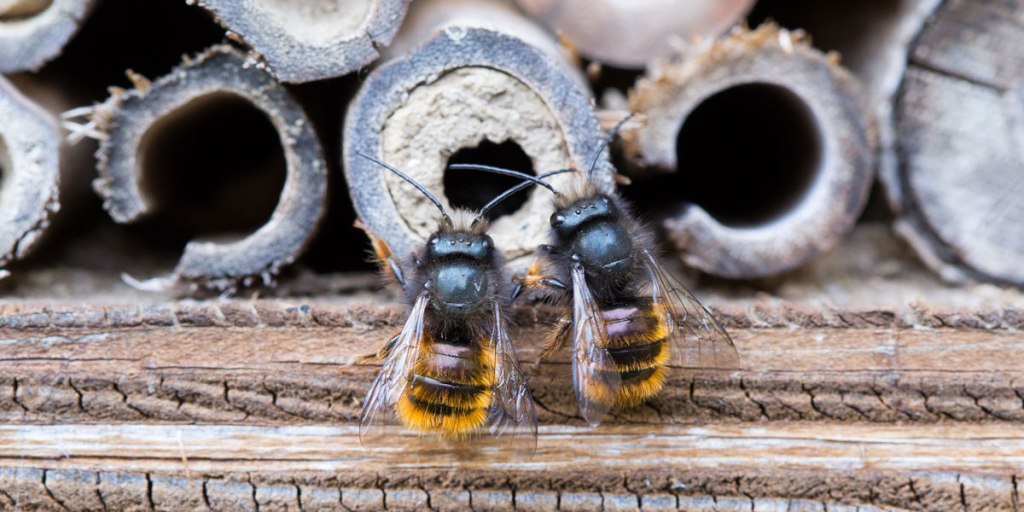
Over many years in California, our landscape has changed due to drought, fire, and an increase in alternatives to the traditional way of farming. In my area, I have seen more and more unnecessary building and construction projects which have destroyed the solitary bees natural place for the mothers to lay their larvae. The bees need a hollow “cave like” place to lay their larvae, and because of these irresponsible building practices in my community (killing of things like marshlands, old historic trees, and forests, which these bees use for nurseries) have caused an inevitable decline in solitary pollinators. Another issue contributing to the reduction in suitable habitat is the basic landscaping practices. Most local homeowners remove all foliage, dried brush, wood, as well as having highly manicured yards, thus removing all of the potential natural living spaces for solitary bees. In addition, I asked some of my friends, local kids, and even adults in my community about this topic and there was little to no knowledge of this issue amongst these people. We all must strive to inspire and educate our community on how to take care of solitary bees.
3. Climate Change
Plus, many more factors like climate change, in which pollinators are forced to make drastic and unforeseen changes in their daily lives.
I hope that helped us have a better understanding of why we should stop this unfortunate fate of solitary bees? Check back next month to see how you and your family can help protect our truly life saving tiny friends.
Further helpful information can be found here:
 The Lighthouse