
by Ava Salado
Spring has almost sprung. And you know what that means… wildflowers! Yes, it also means debilitating allergies for some lucky folks but the beauty is worth it. Soon we will see oceans of lovely colors floating above our bay area fields. In fact, the northern California area has some very unique wildflowers. The bay area is very fortunate and special to have so many native plants still growing in such a metropolitan space. It seems everywhere you look you might be able to find a sprout reaching for life, like on the side of the highway, crack in the road, anywhere! The usual season for most wildflowers is the end of February and typically lasts until early May. So what wonderful varieties do we have to expect?
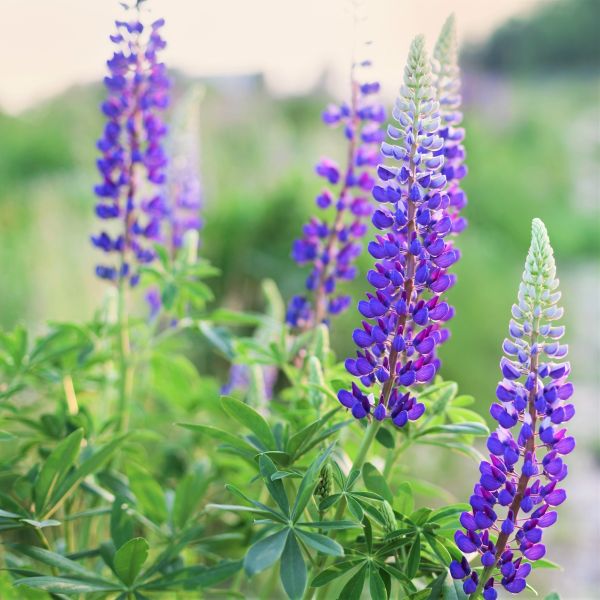
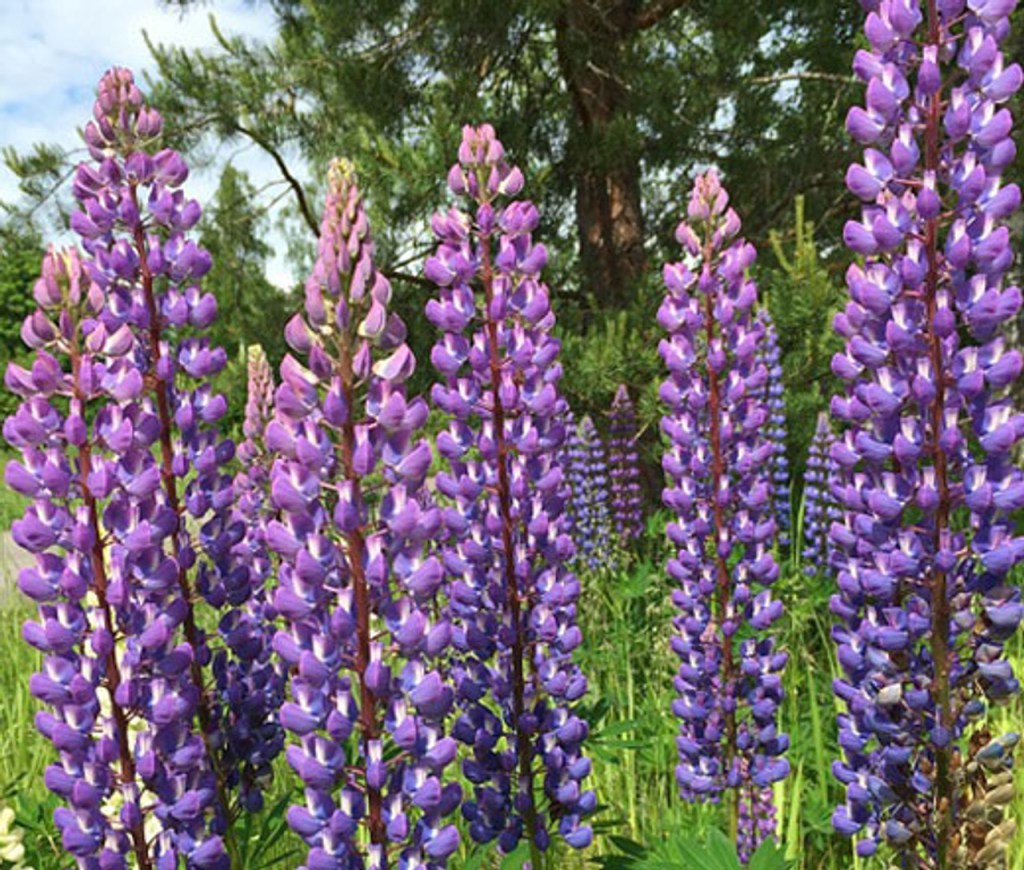
- Lupine
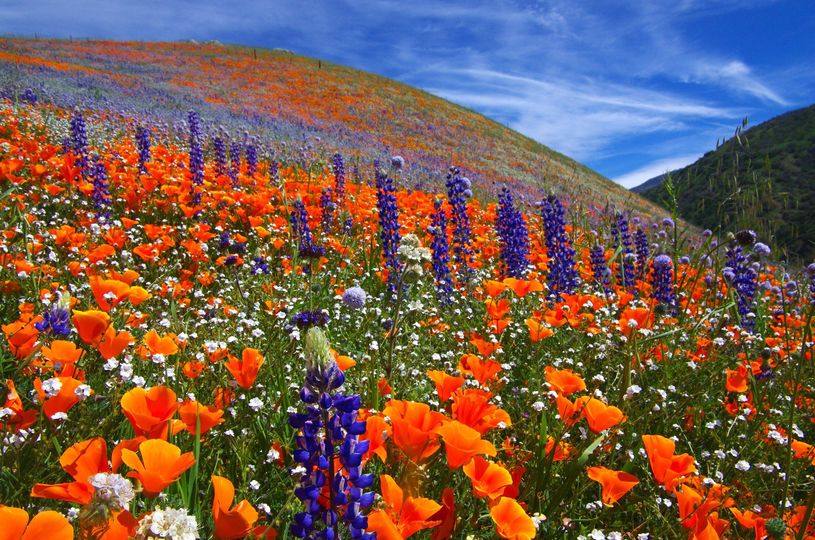
The lupine is a beautiful looking and smelling, herbaceous (and partly woody) wildflower that loves to pop up anywhere, even clay soils. If you live in the bay area you are bound to have seen one of these bluish-purple flowers sprouting about. They are a very versatile variety with over 200 different species. With their love of Mediterranean climates you know when you see them first pop up that warm, sunny, spring skies are ahead.

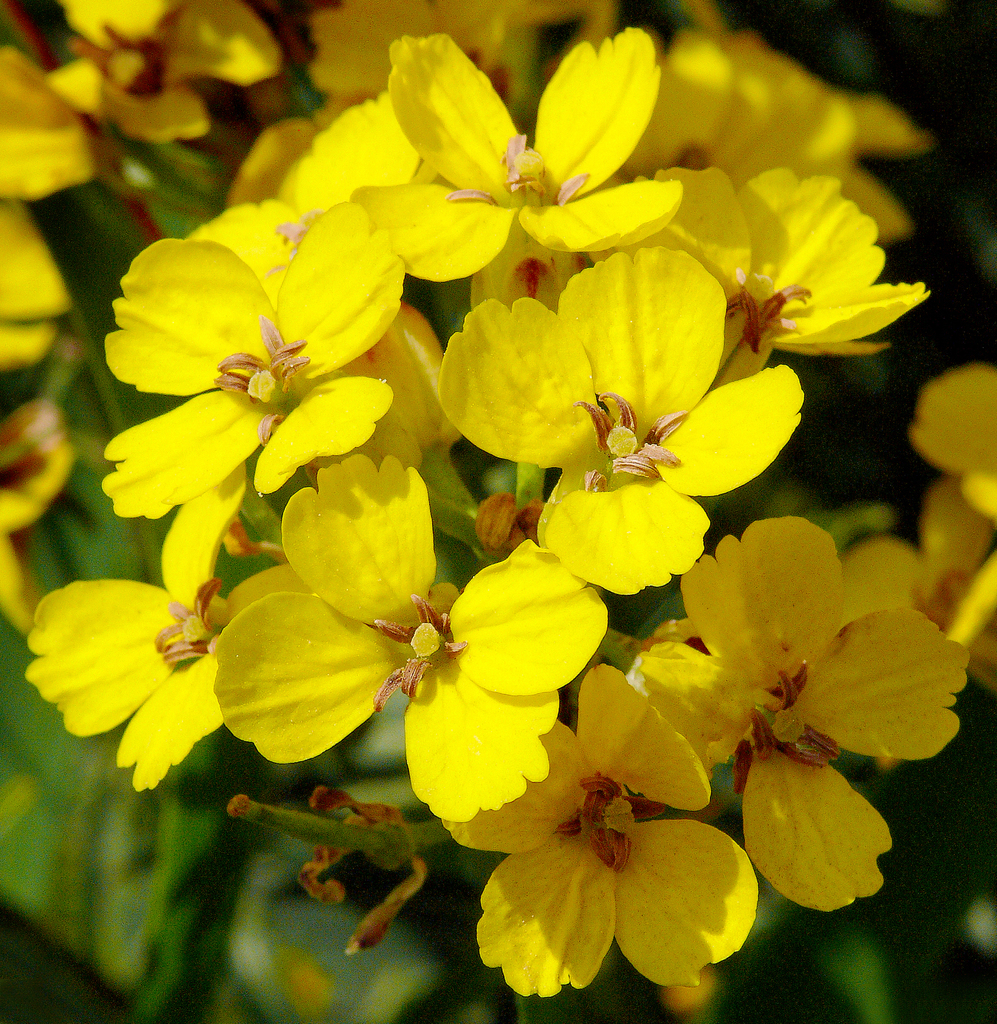
- Franciscan Wallflower or San Francisco Wallflower
The Franciscan Wallflower or San Francisco Wallflower (or if you would like to be fancy the Erysimum franciscanum) is a biennial that is commonly found from the hills of Sonoma to the beaches of Santa Cruz going wherever it wishes. This flower is in the mustard family and can be seen from the end of winter to late spring.
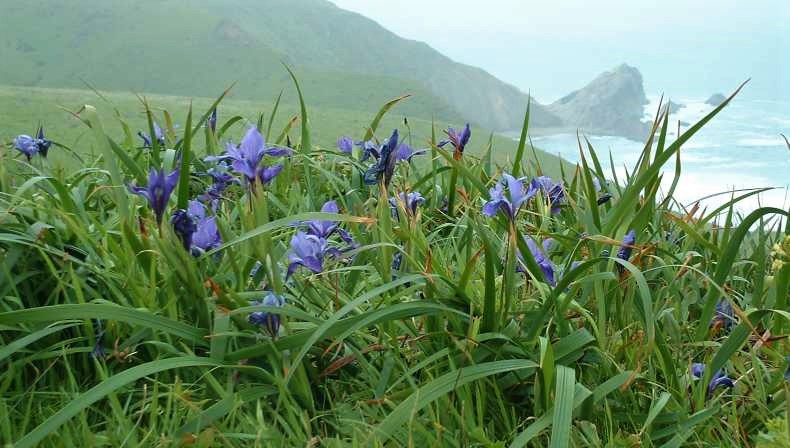
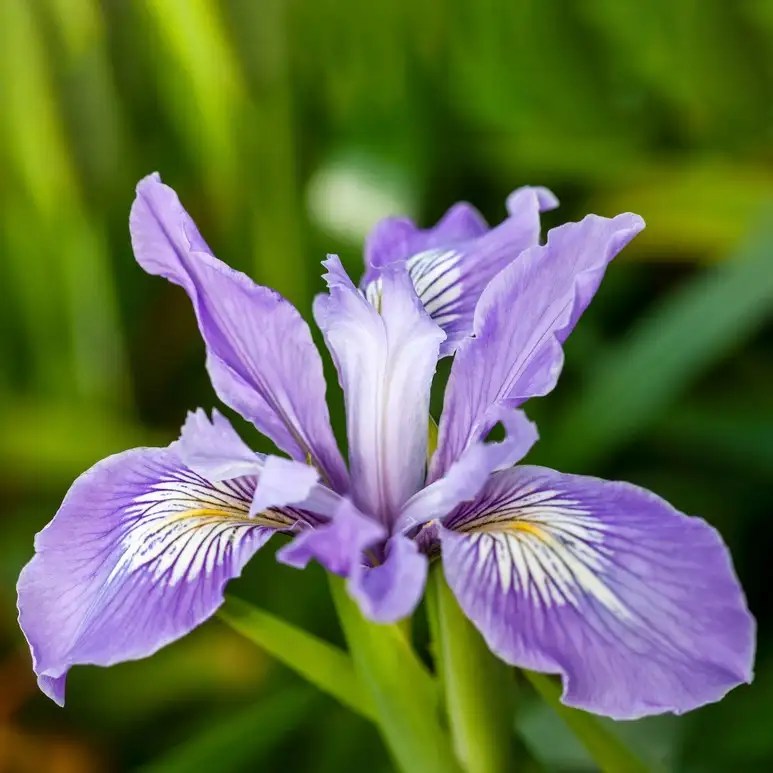
- Douglas Iris
The Douglas Iris (or Iris Douglasiana) is a purple flower that can be found mostly in the coastal regions of California–or wherever has a lower elevation–but, if you are lucky, can sometimes be found at heights of up to 1,000 meters (3,300 ft). It can occasionally be considered a noxious weed in pastures because of its tendency to form clumps that hinder other vegetation, but when not found pasture it is regarded with fond looks and smiles for being an absolutely beautiful iris.
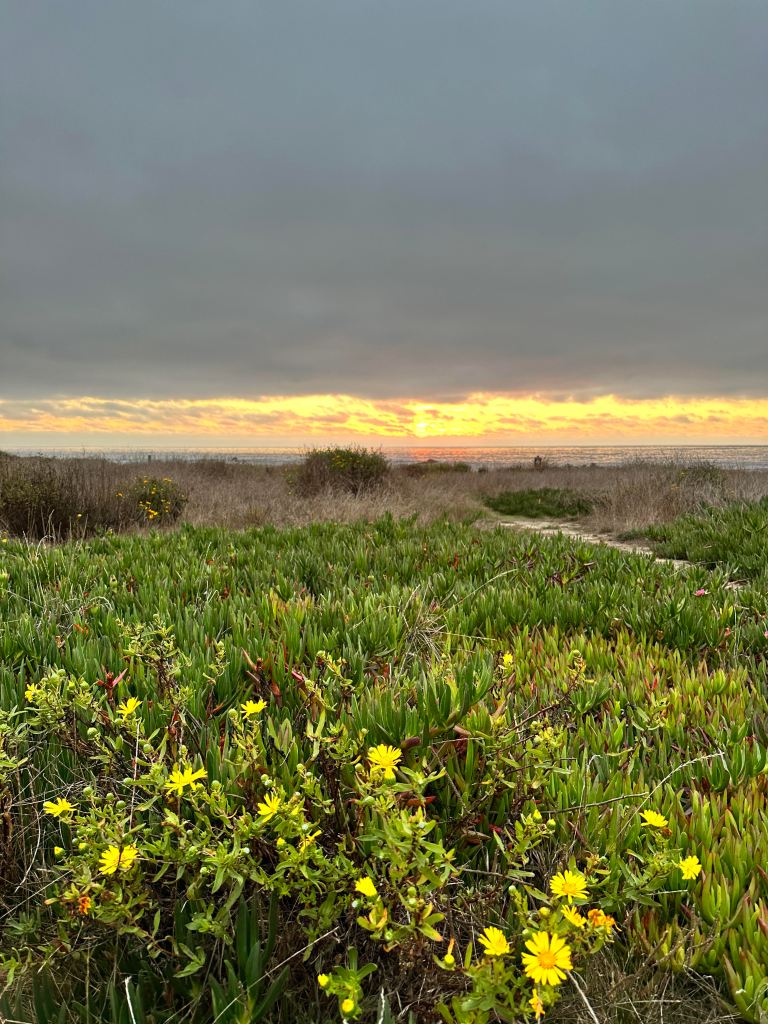
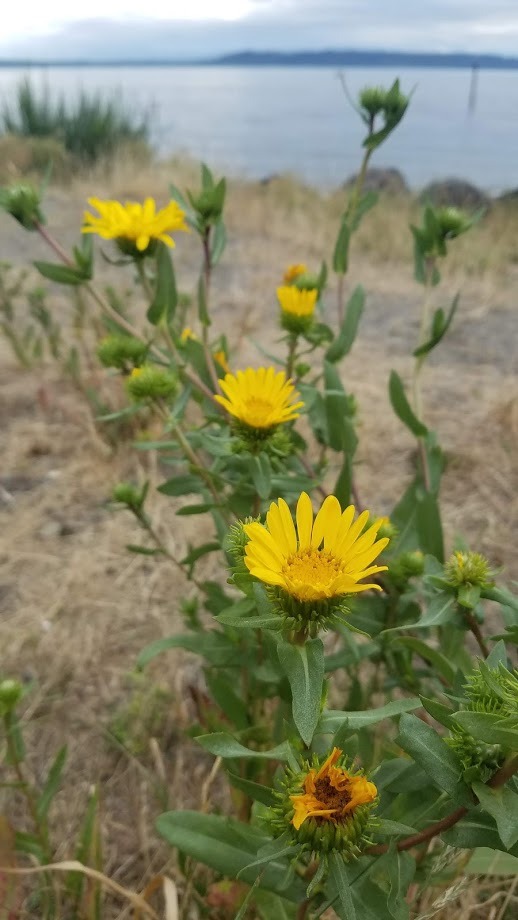
- Puget Sound Gumweed (Grindelia Integrifolia)
If you find yourself walking around the beaches of the San Francisco bay in late spring/summer you might stumble upon the gorgeous Puget Sound Gumweed (Grindelia Integrifolia). A strong and rugged plant, being resistant to almost all diseases and pests and being delightful while doing it. Commonly found in meadows, marshes, beaches (anywhere that is wetter in climate) this flowering plant is sure to bring the pollinators–and the cameras–close.
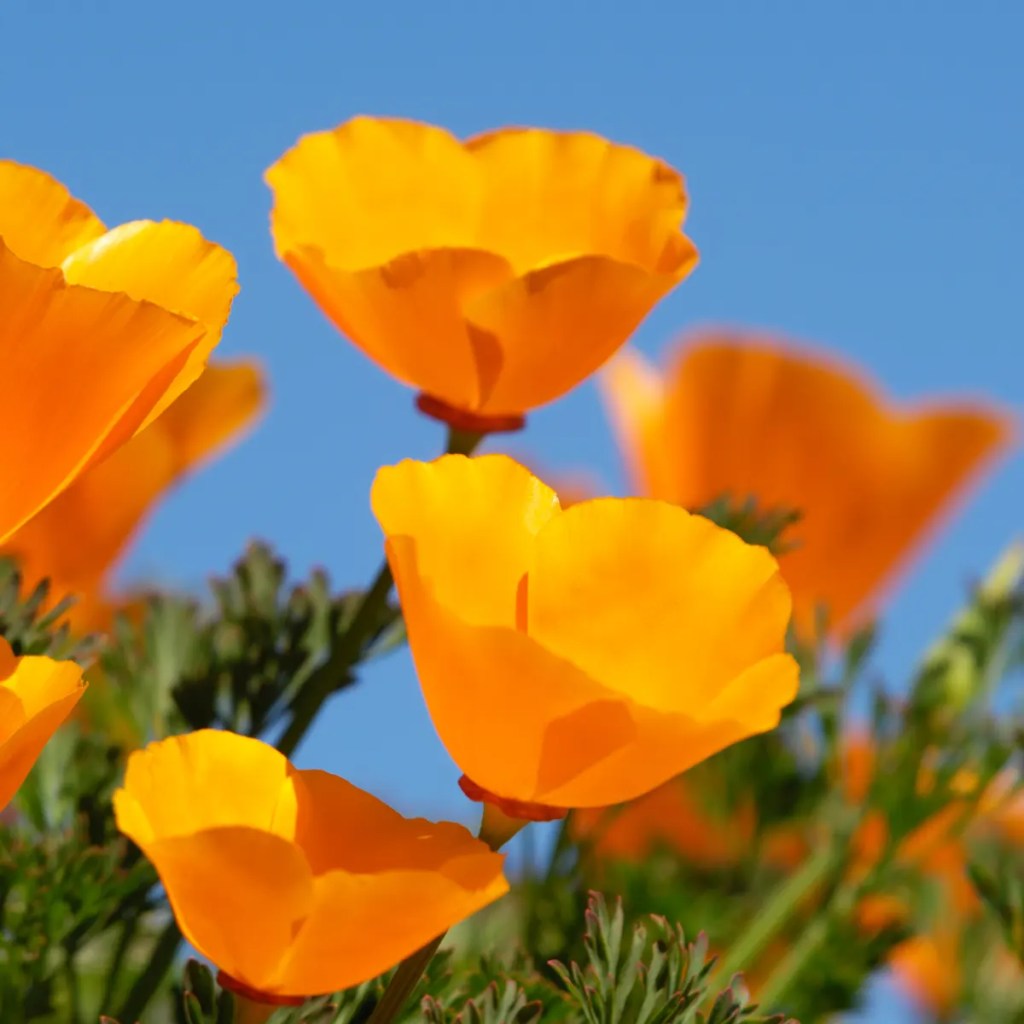
- California Poppy
And finally, we must end with a classic…the California Poppy! If you have lived in the golden state for a while, you’re lying if you say you haven’t seen one of these pretty, deep orange flowers at least once. Once spring hits, they are everywhere! Some fighters even pop up in early-winter. The Antelope Valley California Poppy Reserve is a California state-protected poppy field found in northern Los Angeles County. It is extremely popular for expert and amateur photographers alike. But please, if you are going to go there for the breath-taking sights, don’t step on the flowers! Mother nature, park rangers–and the plants themselves–work very hard to grow and stay healthy and plentiful for generations, and the bottoms of your shoes aren’t helping. So please, admire at a safe distance. But most of all…enjoy! Take some allergy medicine and get out into nature. Wildflowers wait for no one so enjoy them while you can!
Take a hike such as:
Mount Burdell
Mount Diablo State Park
Coyote Ridge
And, if you are feeling rather inspired, create a picture of your favorite flower and submit it to The Lighthouse’s “competition” exhibition! Learn more here: Springtime Art Challenge!
 The Lighthouse