
by Ava Salado
To shed some light on what pollutants exist in the San Francisco Bay area we have to take into consideration both the air and the water. Pollution such as home chemicals, gasoline, pesticides, fertilizers, rubbish, and legacy harmful pollutants are washed into the Bay untreated or unfiltered when it rains. Rainwater is directed into gutters and storm drains by paved concrete and asphalt surfaces found on buildings, parking lots, roads, roadways, and rooftops. This storm water is then discharged into creeks and sloughs that run into the Bay itself, carrying all the pollutants it gathers along the route. Rainfall in the Bay Area causes rainwater to overflow into the bay, carrying three primary forms of pollution: runoff from cities, sewage spills, and industrial discharges. More than 1,600 industrial sites are covered with water that conveys harmful chemicals into storm drains that go into the Bay and waterways.
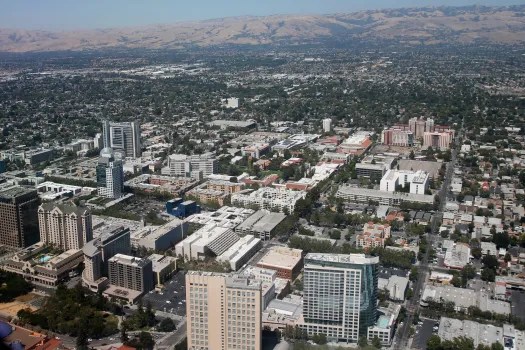
Trash, construction debris, automobile fluids, industrial waste, petroleum residue, coal dust, soot, fertilizer, pesticides, and other materials that accumulate in cities and industrial facilities all combine to form stormwater runoff, a toxic mixture that flows into the Bay every time it rains, typically with little to no treatment.
On the other hand, a portion of the air pollution in the Bay Area is caused by industrial sources including power plants and refineries. However, a larger portion of dangerous air pollution originates from motor vehicles such as automobiles, trucks, and construction equipment.
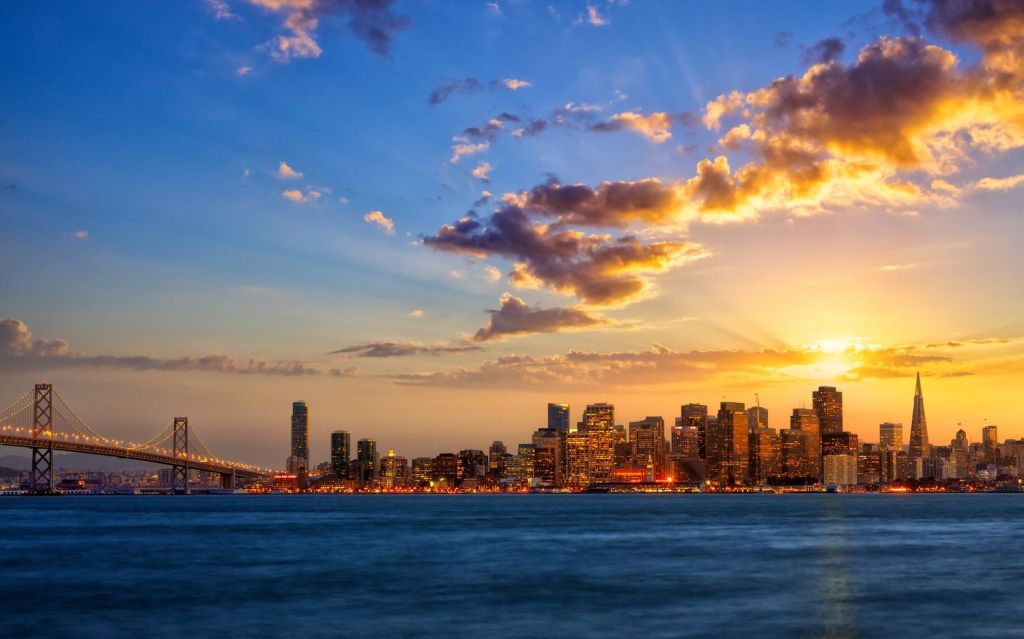
In addition, smoke from neighboring wildfires has a significant influence on the Bay Area’s air quality during the fire season. It frequently results in dangerously high particle pollution levels and air quality advisories, such as Spare the Air alerts. The Bay Area air set a record in 2020 when it issued over 50 alerts, 46 of which had to do with wildfires.
San Francisco is ranked 101st out of all major cities by IQAirs Live. According to the American Lung Association’s annual “State of the Air” assessment, 11 of the 25 most polluted cities in America are located in California. Out of 200 cities nationwide, the Bay Area (San Jose, San Francisco, and Oakland region) was placed fourth for “Year Round Particle Pollution” and “Short-Term Particle Pollution.”) Based on a recent research by the American Lung Association, the Bay Area, Los Angeles, and Bakersfield are among the worst air-polluted urban regions in the country.
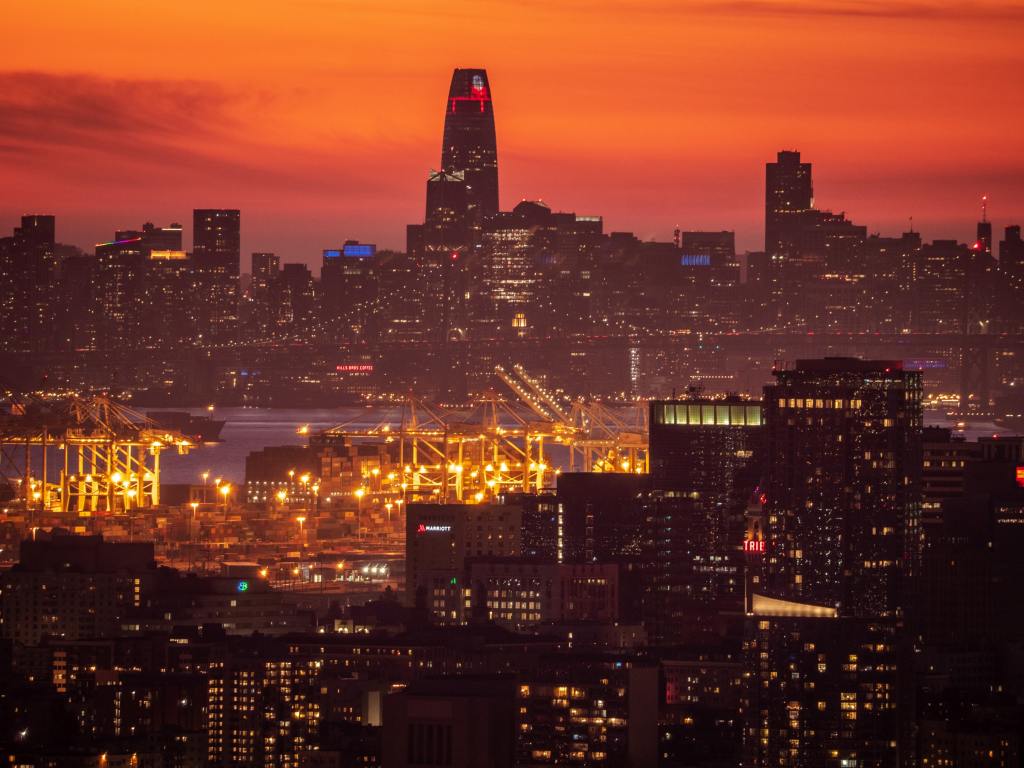
Overall, since the Clean Air Act was amended in 1990, the Bay Area’s air pollution has decreased dramatically over the past 30 years, despite the region’s expanding population and industry. Regulations against industrial activity and associated pollution sources are going to get stricter. The foundation of sustainability is a straightforward idea: everything we require for life depends on the natural world, either directly or indirectly, for our survival and well-being. The goal of sustainability is to establish and preserve the circumstances that allow nature and people to coexist peacefully and productively for the benefit of both the present and the future generations. This long-term objective is supported by sustainable development, which puts structures and mechanisms in place and receives backing from international, national, and local organizations. To be sustainable means to meet the demands of the present without sacrificing those of future generations and to maintain a balance between social progress, environmental preservation, and economic expansion. The ability of a civilization to grow and prosper without exhausting all of the natural resources required for future generations to thrive is known as sustainability. Although the times we live in may look bleak, there are people striving for a brighter future. Could that person be you?

 The Lighthouse