
by Lucas David
Understanding stress is very important for a number of reasons, especially for teens, who experience comparatively high amounts of stress in their daily lives. For one, stress has a direct impact on your mental wellbeing, as it can cause you to feel overwhelmed or anxious, as well as causing difficulty concentrating, memory problems, and sleep changes. For another, it can affect your physical health by damaging your heart’s functionality, causing digestive issues, weakening your immune system, making it more difficult to sleep, and much more. It is also important to understand stress because it helps allow you to identify stressors in your life, recognize your bodies reactions to them, and develop methods to cope with them and manage your stress levels before they begin to affect your physical and mental health. Recognizing stress early on can help prevent you from developing health issues, and make them significantly easier to manage if they arise. This can lead to improved mental wellbeing, enhanced decision making, healthier relationships, greater productivity, and an increase in happiness overall.
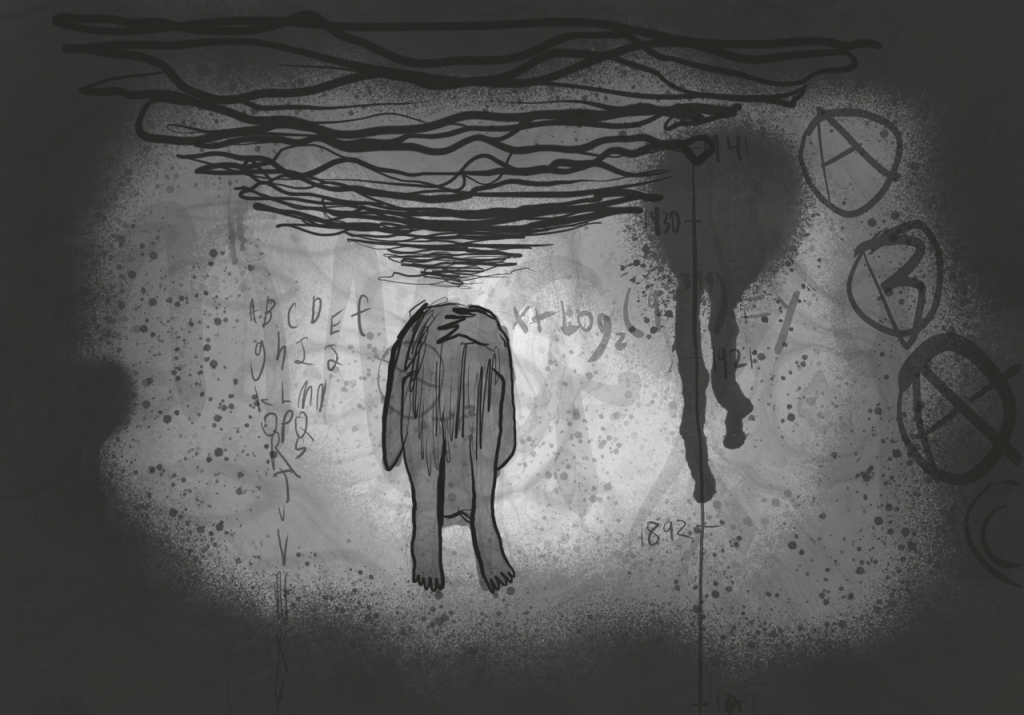
So far we’ve talked a lot about what stress does, but what is stress, anyways? Stress is a natural response to threats or challenges that involves both the mind and the body. It can help prepare you for the future, but too much of it can negatively affect your health. Stress is caused by significant events such as moving to a new home, beginning a new job, going through trauma or an onslaught of homework or illness. Very often, it is helped along by a perceived lack of control, a feeling of social isolation, negative thoughts or beliefs or poor coping mechanisms.
However, not all stress is bad for you. Good stress, or eustress, is a short term challenge that can motivate you to succeed and help you develop as a person by building resilience, developing life skills, helping to focus your energy, improving your performance and enhancing your sense of accomplishment. Bad stress, also called distress, is long term and can damage your health by creating anxiety, confusion, worsening your concentration and lessening your performance. To help monitor your stress to make sure that the majority of it starts with an eu, we need to talk about stressors. Simply put, stressors are stimuli that trigger a stress response in an organism. By monitoring which stressors cause distress, and which cause eustress, we can develop coping mechanisms to help alter our stimuli to suit our needs.
Coping mechanisms are behaviors or strategies individuals use to manage the negative effects of spending time in stressful situations. Some common examples of coping mechanisms include exercise, relaxation techniques such as deep breaths or meditation, social support, positive thinking, journaling, and focusing on what you can control. Most types of coping mechanisms can be sorted into one of two categories: Problem based coping, which involves trying to sort out the real-life source of the stressor, and emotion based coping, which involves focusing on dealing with the emotions that spring from the situation. Perceived control can also have a huge impact on a person’s ability to cope with stress because when a person believes they have agency, or the ability to affect a situation, their ability to cope with stress from that situation increases significantly.
Managing our stress is one way that we, as humans, attempt to chase happiness. What is happiness? Happiness is a feeling of joy, contentedness, satisfaction or well being. It is a complex, multi-faceted emotion that is influenced by many factors, including social and cultural norms, and is highly subjective, meaning that what makes one person happy may not make another person happy. Flow, and whether or not a person regularly enters what could be considered flow, can also have an influence on a person’s happiness because it is a state of mind in which a person is fully immersed in an activity, and highly focused and enjoyable.
For teens, Psychology Today offers some tips to keep stress levels low. For one, it states that having smooth communication with parents can make a large difference. That means being open and honest with your parents about your life and emotions. It’s also important to set realistic expectations for yourself, knowing that not only is it ok to fail at things, but it in fact provides opportunity for growth. Personally, I suggest setting and enforcing your personal boundaries with yourself and others, to help keep you from being pushed too far from your comfort zone.s
In conclusion, we covered a range of topics relating to stress and mental wellbeing, including stress itself, good stress versus bad stress, flow and the pursuit of happiness. We also learned that managing stress and understanding your stressors can be vital to helping to keep from becoming overwhelmed, as well as how our use of various coping mechanisms can have a significant impact on our daily lives. Many of us, as teens, are often heavily exposed to all kinds of stressors, from social situations to academics to family issues, and we must be self-aware to stay happy and healthy.
 The Lighthouse