
by Meru S.
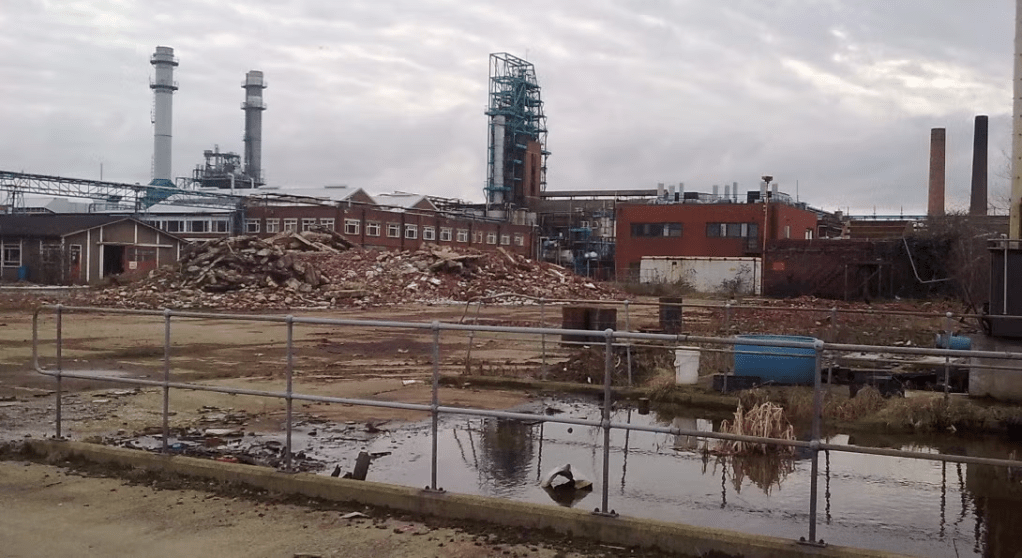
A property can be considered a brownfield and not just an abandoned building when the local city detects contaminants underground beneath the property. Additionally, it can be regarded as a brownfield even if there is only a possibility of pollutants, since in both circumstances, it would be unsafe for prolonged human activity or residence. Brownfields are generally previously occupied plots that are no longer in use.
Sites that may possibly become brownfields in the future include gas stations, industrial buildings, and older houses. Leakages in subterranean gas pipes can toxify the land around gas pumps. Similarly, chemicals can seep into the area around factories, resulting in spaces that are hazardous to residences. Homes that were built before 1978 are more likely to contain lead, particularly in the paint. Therefore, when these houses dilapidate over time and layers of paint peel and decay, it releases lead into the surrounding yards. We can prevent brownfields by repairing gas and chemical leaks, and safely renovating old homes.
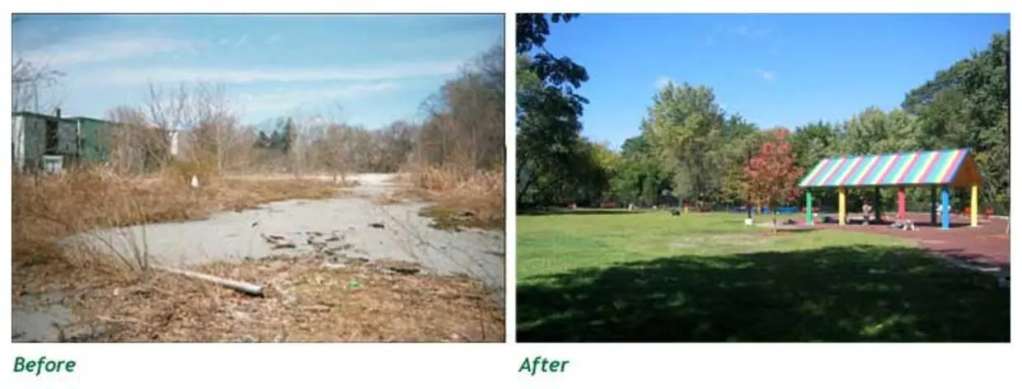
Once remedied, brownfields can be redeveloped, providing environmental, aesthetic, and security benefits. After toxins are identified and eliminated, the site can be transformed into parks, shops, and other functioning premises. The decontamination contributes to the health of the environment. When new buildings are constructed, preexisting structures and roads can be incorporated into the new development, inhibiting sprawl. This process of including prior derelicts is called infill-development. Finally, brownfields are often neglected and unattractive, instigating higher crime rates in the local neighborhood and dissuading people from moving to the area, so restoring these plots restores the city’s status as well.
 The Lighthouse