
If you hear a voice within you say you cannot paint, then by all means paint and that voice will be silenced.”
Vincent van Gogh
Any person can become a watercolor artist if they wish. The only requirements are a joy in color and expressing with it, and the patience to let the paint dry.
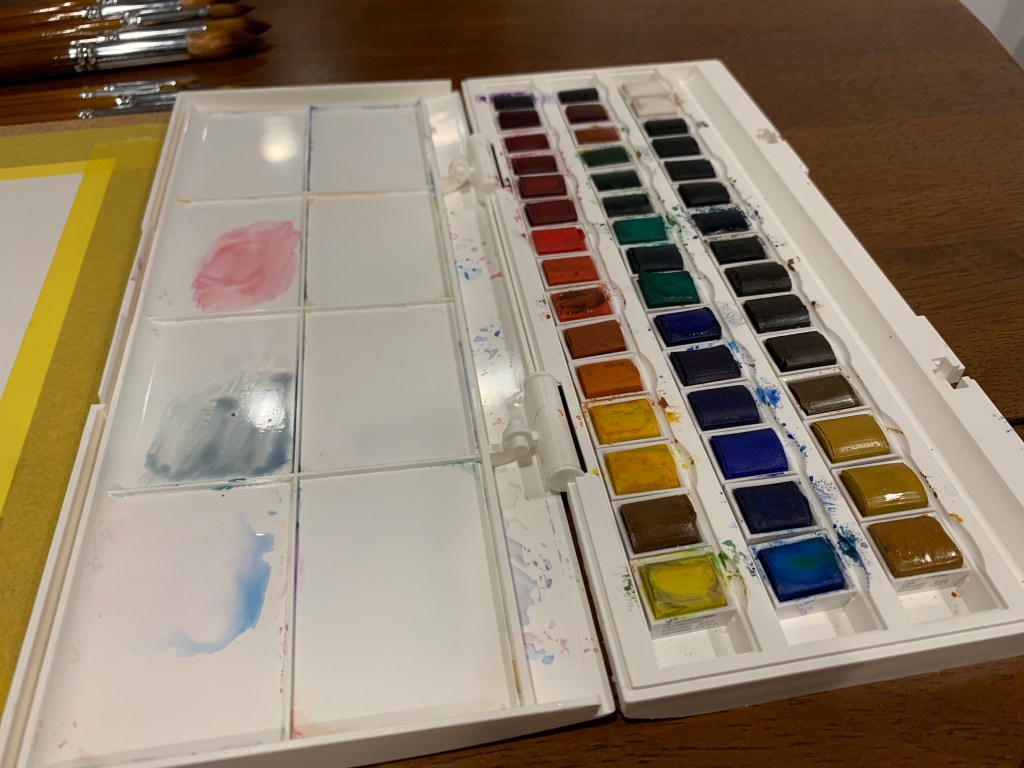
Watercolor paints commonly come in pans or tubes, and both work well for beginners. It may simply come down to what the artist has on hand. Watercolor pans are common today in kids’ watercolors. A predecessor of these pans was invented in 1780 by William Reeves, who created cakes of solid watercolor pigment. Previously, watercolor artists made their own paints or bought it in liquid form. In 1846, Winsor and Newton, an English art supply company, brought tubed watercolor paint into the mix, following the design of tubed oil paint.
Watercolors are mostly done on paper. Watercolor paper is thick and sturdy with a rough surface to hold the paint. When wet, paper stretches. Taping down the paper helps keep it from warping when dry. Generally, the thicker the paper, the less it warps. The watercolor paper needs to be thick to hold up to repeated wetting and drying when building up layers.
Layering is essential in watercolor painting. Each layer must dry before the next can be added. For every new layer, less paint is added, until only the darkest areas are being developed.
The first layer of a watercolor is left almost colorless. The artist then paints around them, building up the color in darker areas. This takes time and thought if the artist wishes for a specific outcome. Because white cannot be added once the paint has dried, for artists who are used to other methods, watercolor can feel counterintuitive.
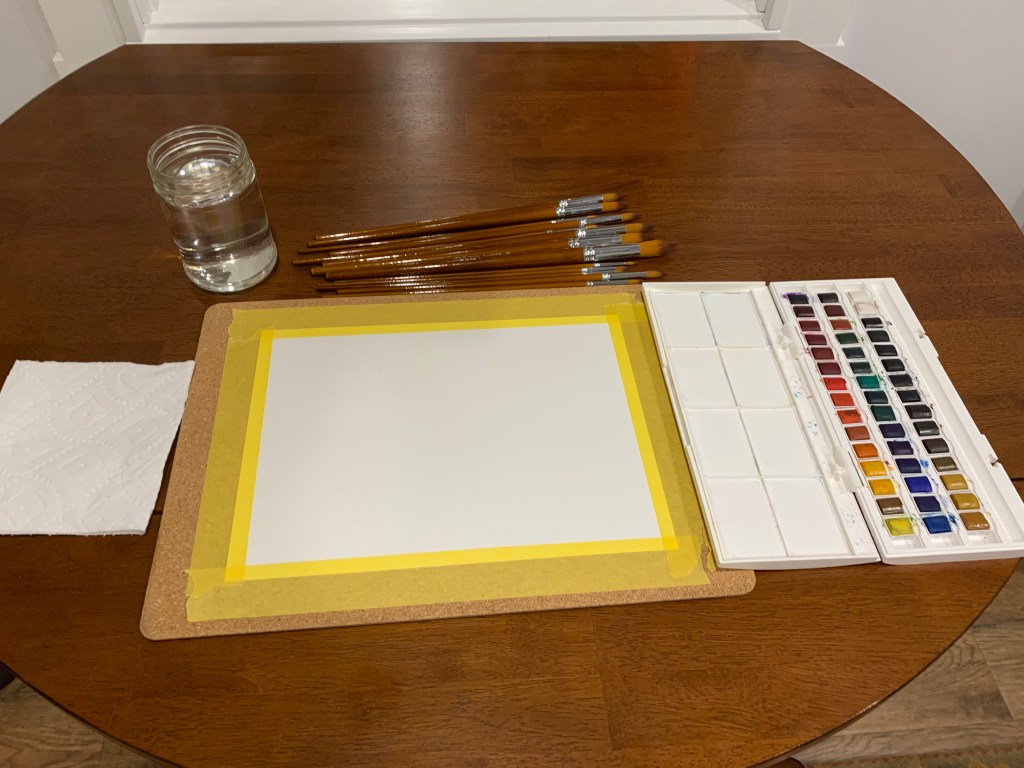
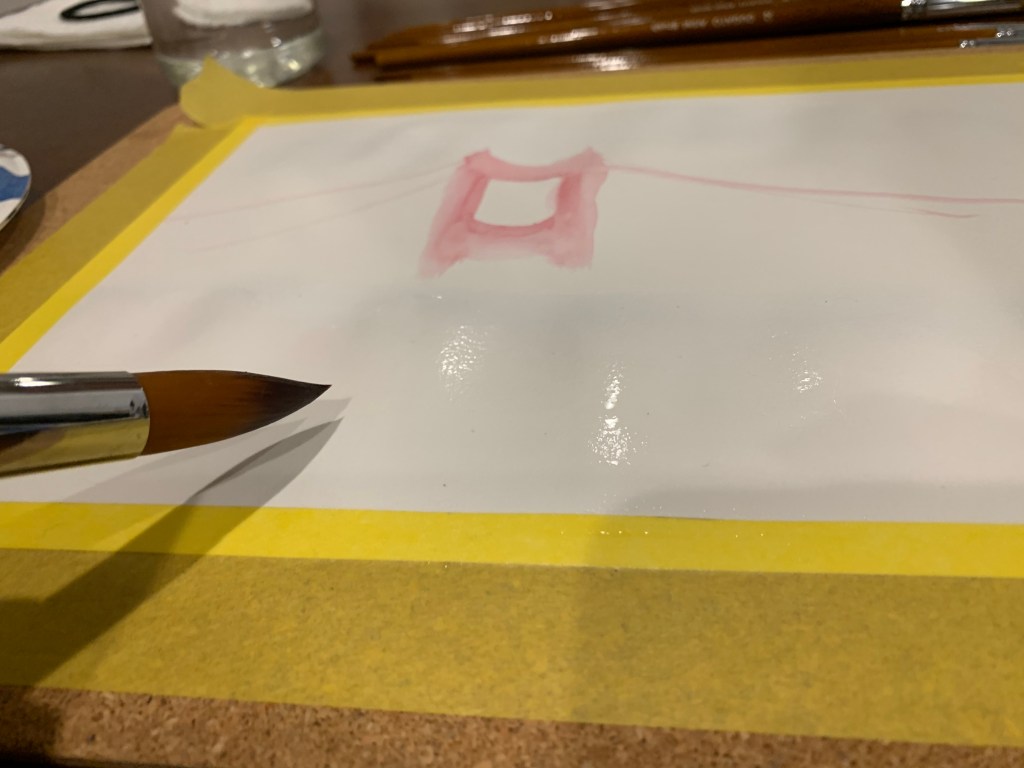
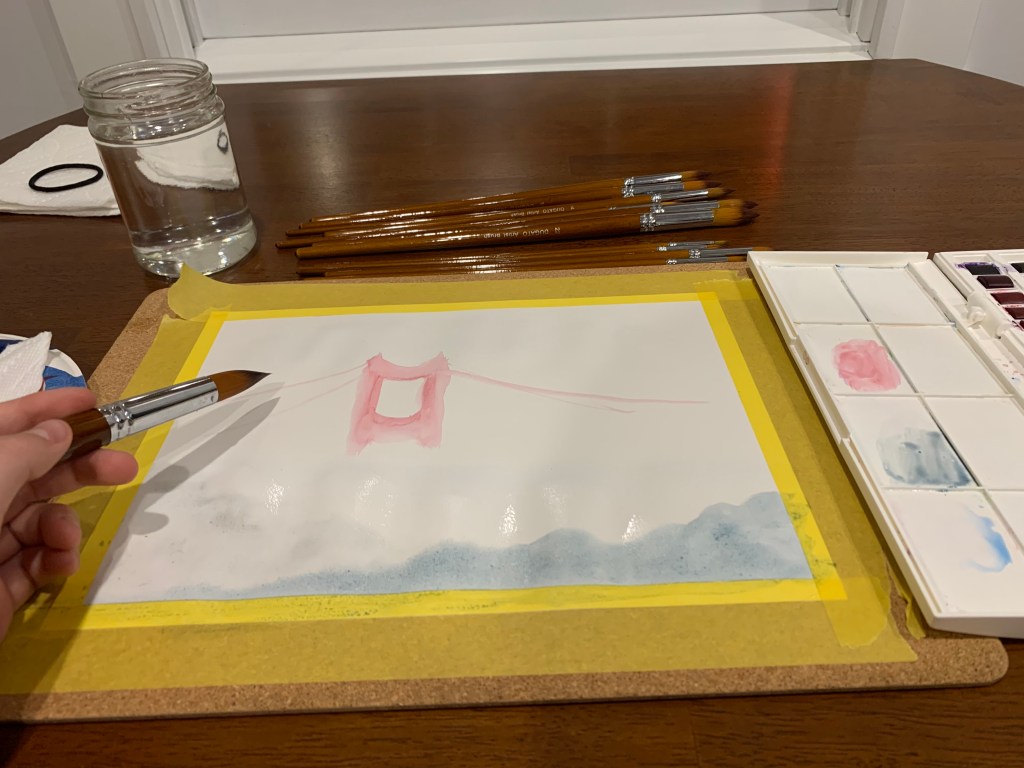
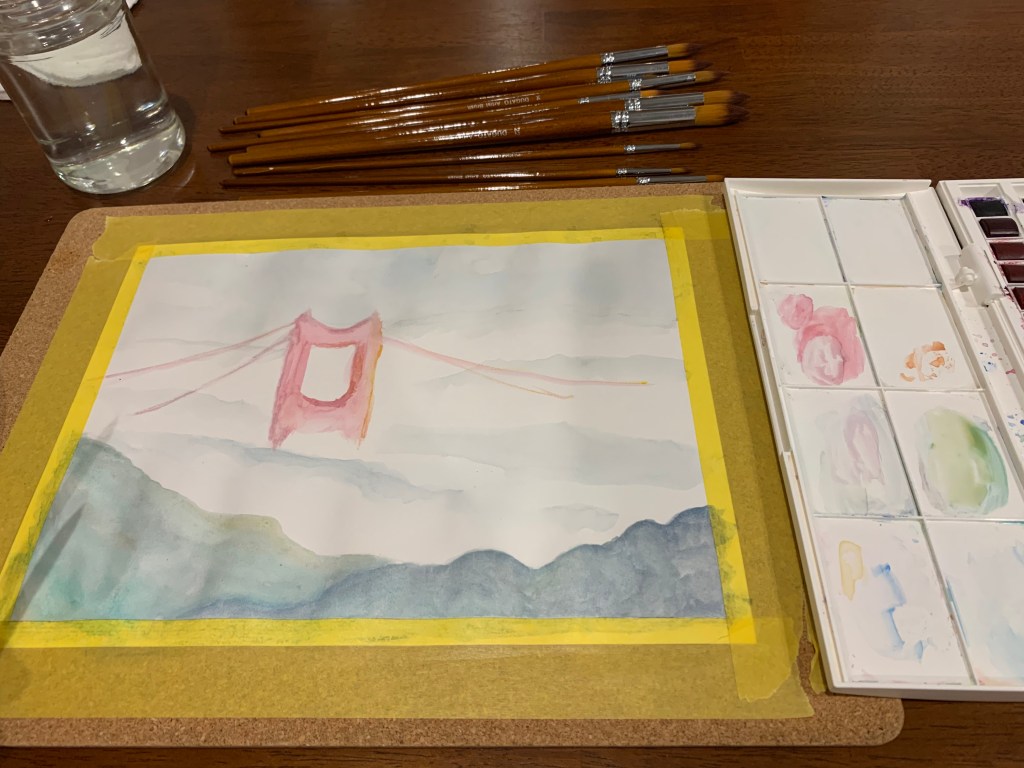
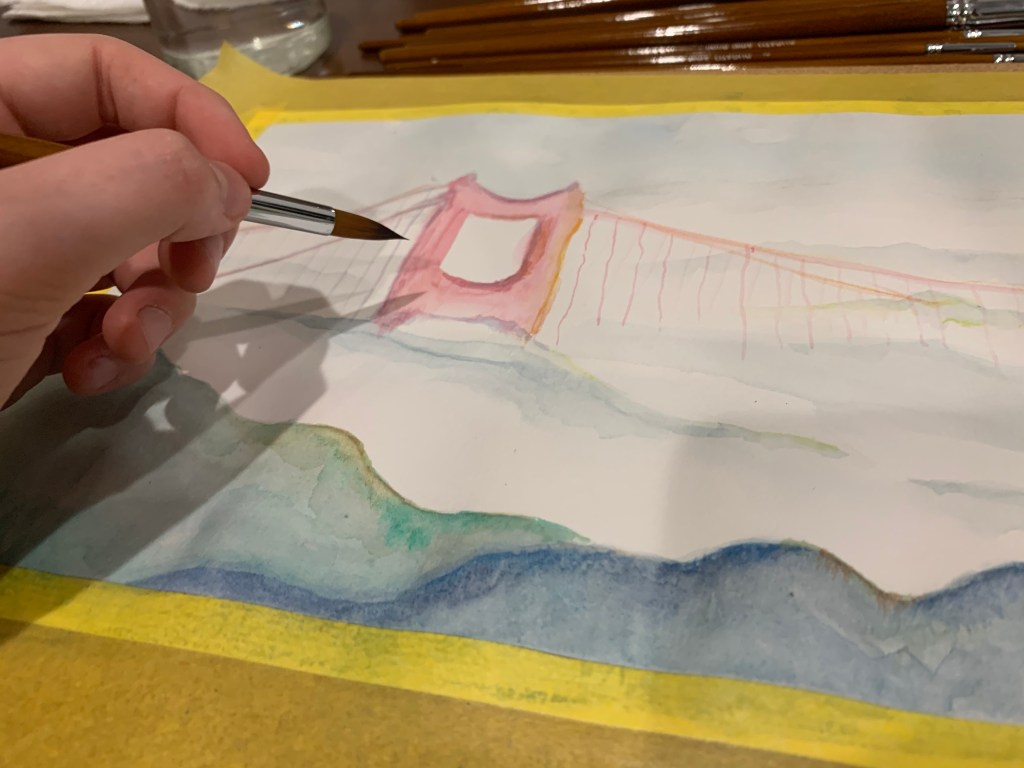
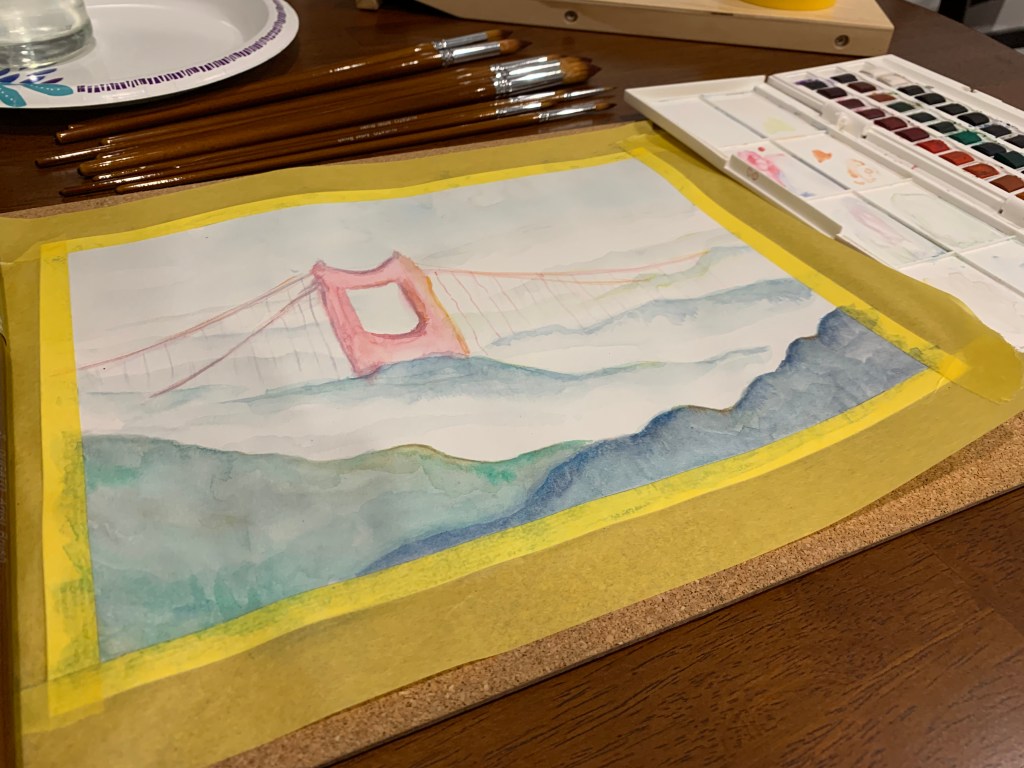
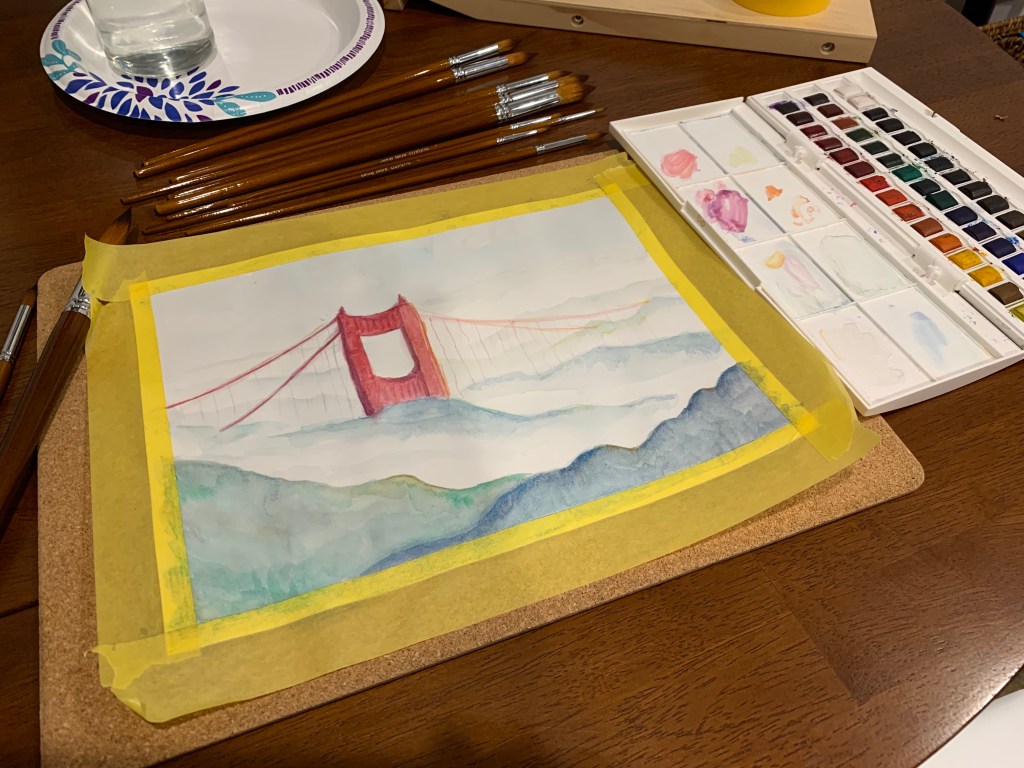
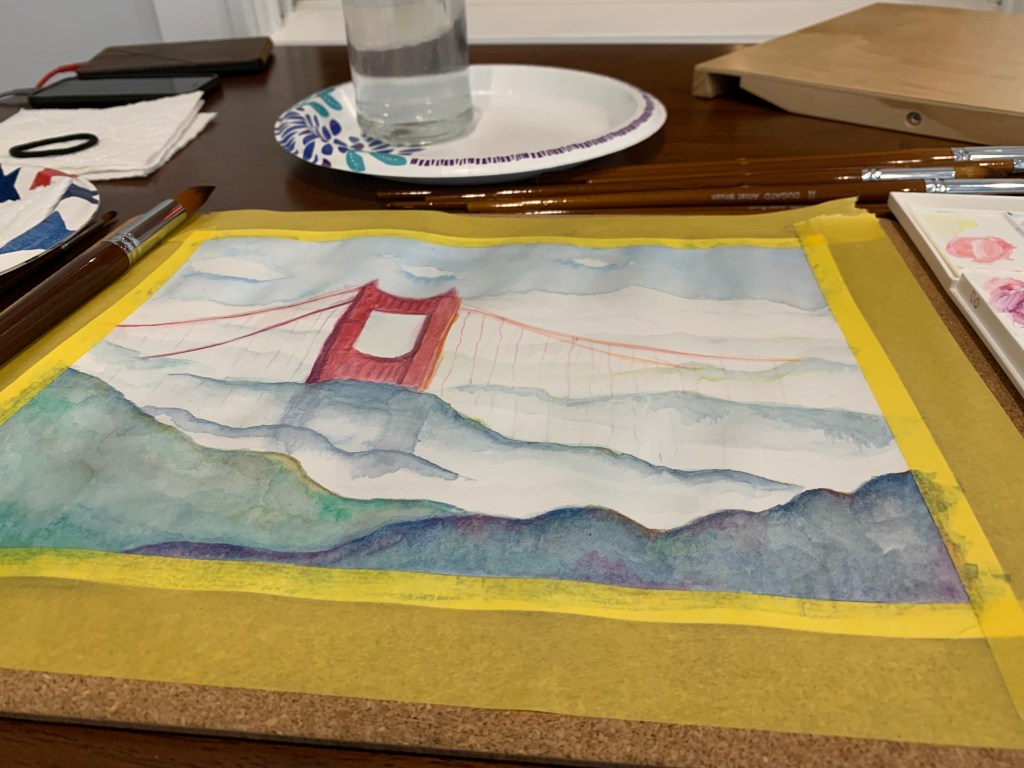
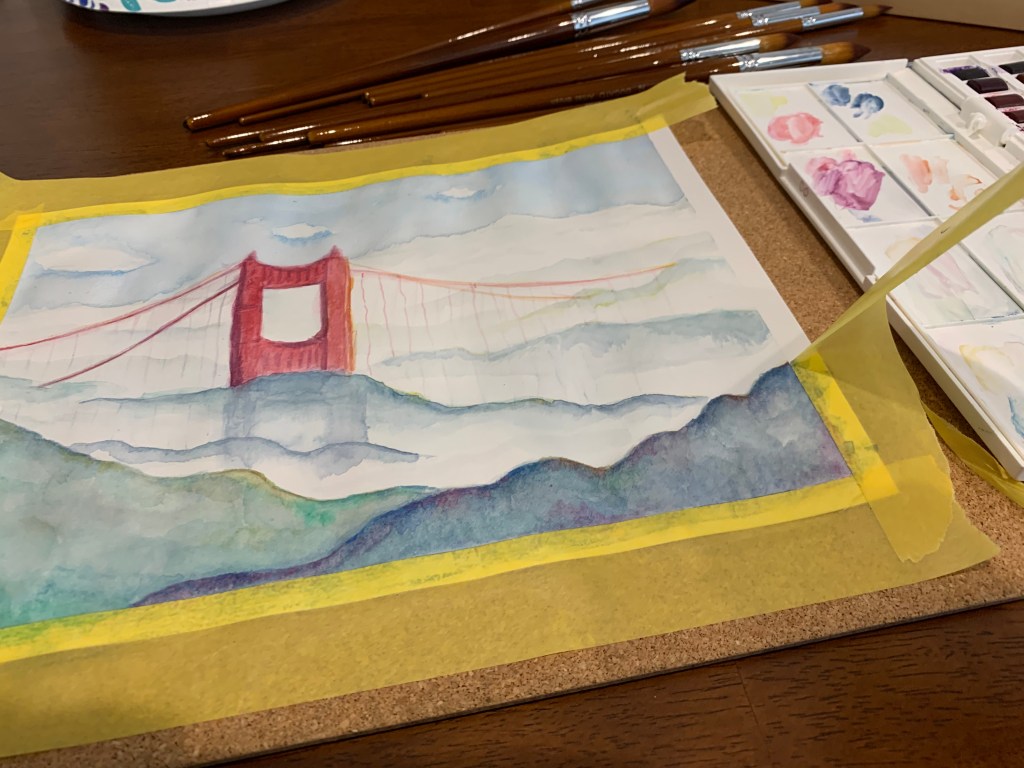
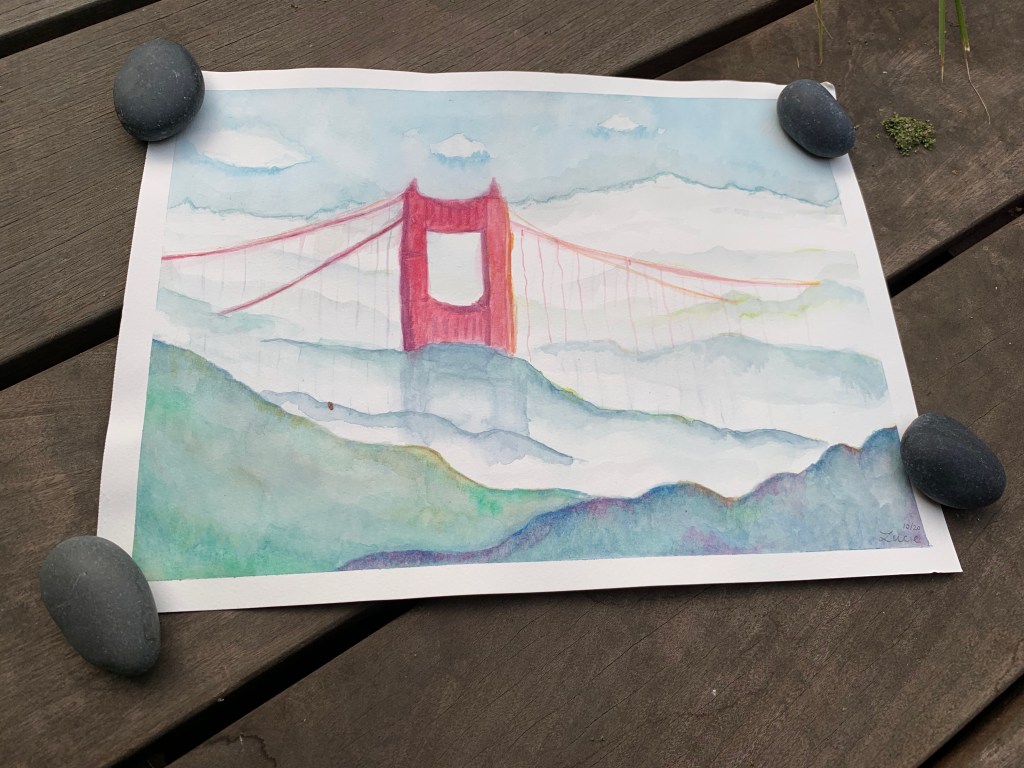
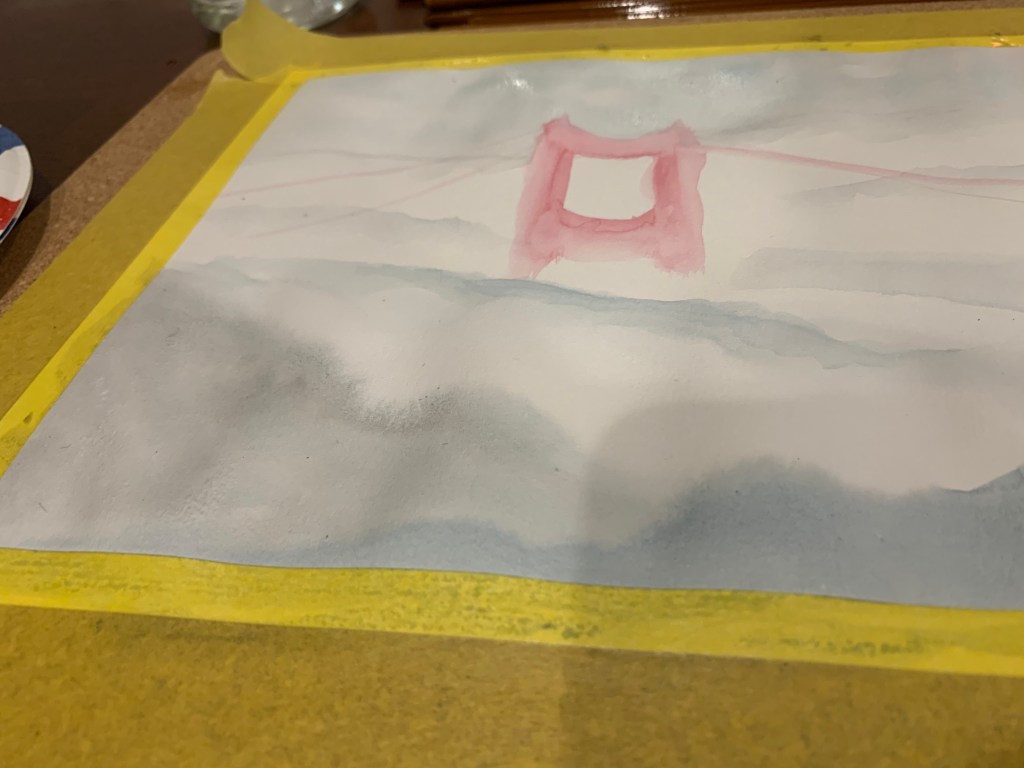
When learning to paint with watercolors, two techniques are useful to start, wet on dry and wet on wet. Wet on dry involves wet paint brushed on a dry surface, while wet on wet is paint applied to a wet area of the painting or a completely wet page. Wet on dry is useful for realistic paintings. It provides clean lines and control over paint flow. Wet on wet works well for large washes of color or abstract paintings without hard edges. Wet on wet is a more loose style of watercolor, as the flow of paint is difficult to control. Both techniques can be used to produce beautiful paintings.
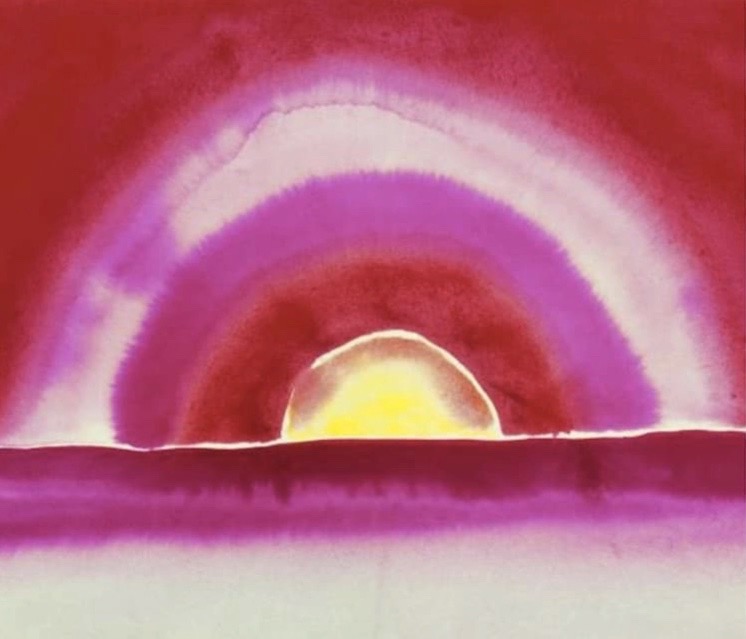
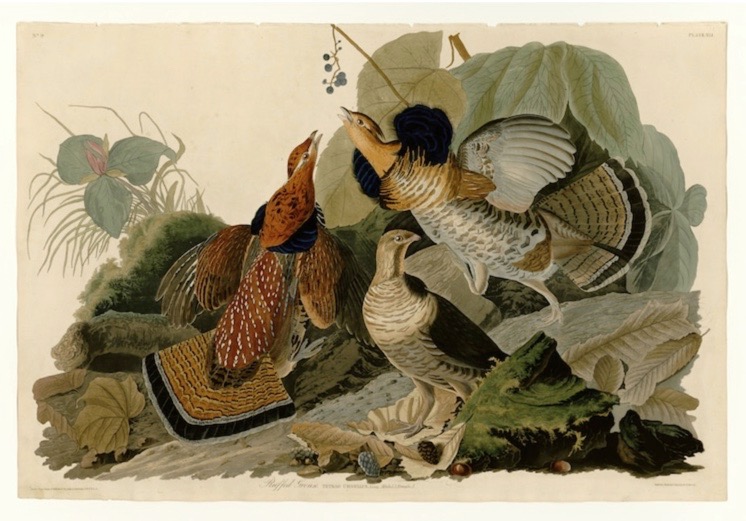
Famous examples of wet on wet and dry on wet include Georgia O’Keefe’s early watercolors and John James Audobon’s paintings. On O’Keefe’s watercolors, Sara Barnes writes, “the abstracted watercolors chronicle her artistic journey to becoming comfortable working in a less representational style.” While O’Keefe’s watercolors were abstract and loose with vibrant colors, Audubon’s paintings were highly naturalistic with a more muted palette.
Colors create the mood and emotion of a watercolor painting. A pop of unexpected color can add dimension and flair. Sometimes colors seem to clash or give the wrong emotion, but take a step back, there may be something wonderful in what felt like a mistake. Give it time to rest. A break for both the artist and the painting helps ease the tension.
Art has changed and grown through history, given varied meanings through time and place. Perspectives on art from the past paint how people see and think of art today. Watercolor is no exception. In an essay for the Met museum, Elizabeth E. Barker writes, “The technique of water-based painting dates to ancient times, and belongs to the history of many cultures in the world.” Although the subjects and purposes of watercolors have changed over time, watercolor history is similar to the way an artist paints with it—many layers of the same thing. Each layer has the knowledge and skill of the layers behind it, slowly building to become the watercolor we know today.


I appreciate the deeper content behind the process presented and the reference material used to support it.
LikeLike