News

Who was Judith Love Cohen?

by Ava Salado

Here is the story of a woman who helped the world in so many ways and helped show that women deserve a place in the engineering space in her time (1950s and 1960s). Growing up in a time when it was almost impossible to find respect in the work she was in, she worked hard for her respect and eventually got it, blazing the trail for women all around. You may have never even heard of her, this woman’s name is Judith Love Cohen.
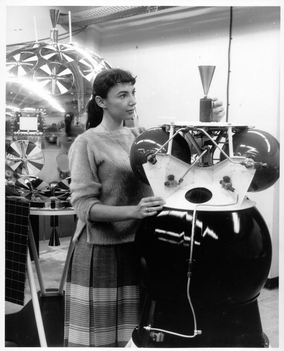
Photo Courtesy Of NFCC

Cohen’s life started in Brooklyn, New York. On August 16th, 1933, she was born to Sarah and Morris Bernard Cohen. Once her parents started putting her in school, they saw that she had a true thirst for knowledge, and soon after, kids started paying her to do their homework. Cohen’s best and favorite subject was math, and she soon realized that she wanted to be a math teacher when she grew up. She studied dance for the Metropolitan Opera Ballet company and got a scholarship to go to Brooklyn College to study engineering, and eventually got a major in math. Cohen later decided that she liked engineering better. She was usually the only girl in her math classes and was the only woman in her engineering classes in college. Cohen married a man named Bernard Seigle, who she had met at Brooklyn College as a classmate. They ended up having three children together, Neil, Howard, and Rachel. Cohen and Seigle divorced in the mid-’60s. Cohen then remarried Thomas “Tom” William Black; they had one child then divorced later on. After the divorce, she married David A. Katz, and they were married until Cohen’s death in 2016.
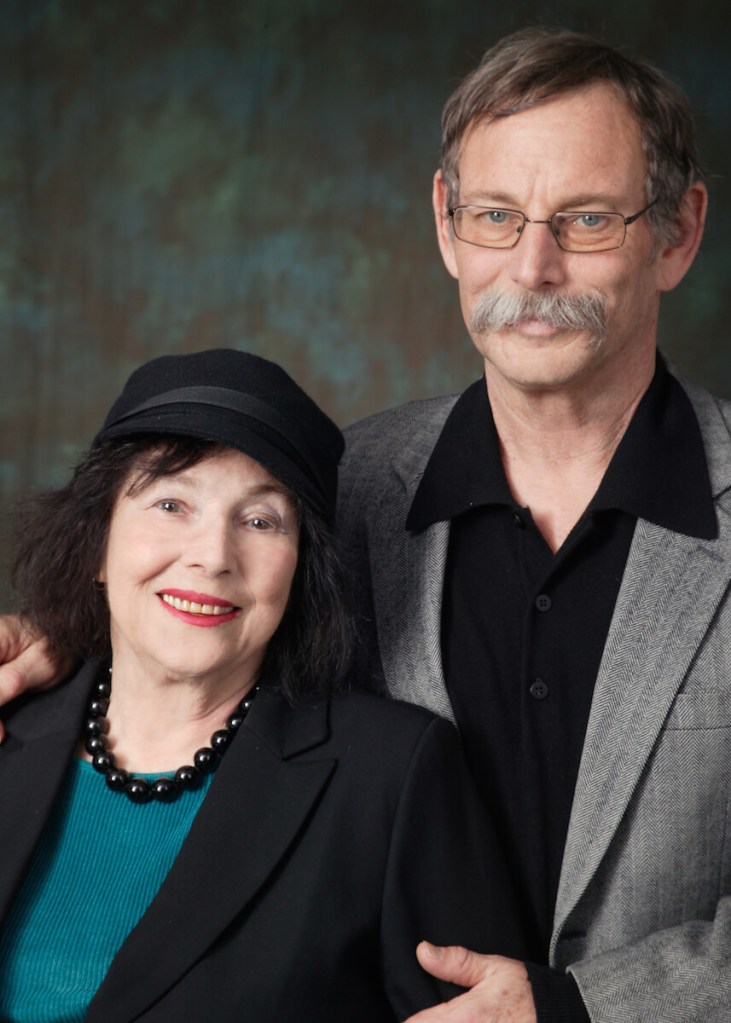
Photo Courtesy of USC Viterbi School of Engineering

Her engineering work started in 1952 as a junior engineer for North American Aviation. She then graduated from USC Viterbi School of Engineering in 1957 and got a job at Space Technology Laboratories. Her extensive resume includes her work on the guidance computer for the Minuteman missile and the Abort-Guidance System in the Apollo Lunar Module. In fact, her Abort-Guidance System helped get the stranded astronauts back home on the tragic Apollo 13 mission. Cohen claimed this was the highlight of her career. The astronauts gave her a “thank you” at Redondo Beach once they returned. She loyally stayed with that company until 1990, when she retired. Once she retired, her work did not stop there. She started her own publishing company with her husband, David Katz, named Cascade Pass. Cohen published many books, and we have her to thank for writing and co-writing the “You can be a woman” series and so many others. 

Photo Courtesy of Forbes

This incredible woman showed determination and hope when there was none, drive, and a deep love and appreciation for her work. This was shown on August 28th, 1969, when she was in the middle of solving a very important problem when she went into labor with her 4th child, the one I mentioned earlier. When she needed to go to the hospital, she made a stop at the office, did some work and grabbed her paperwork then headed out to finally go to the hospital. She worked the entirety of her labor, and right before she gave birth, she solved the problem! Right after, she called her boss, and according to Neil Seigle (her first child), he said“later that day, she called her boss and told him that she had solved the problem. And… oh, yes, the baby was born too.”  The baby she gave birth to was, well, we know him as… Jack Black.  
Arts and Culture, Home

Authors Spotlight: When You Trap a Tiger

by Lucie Ruggiero

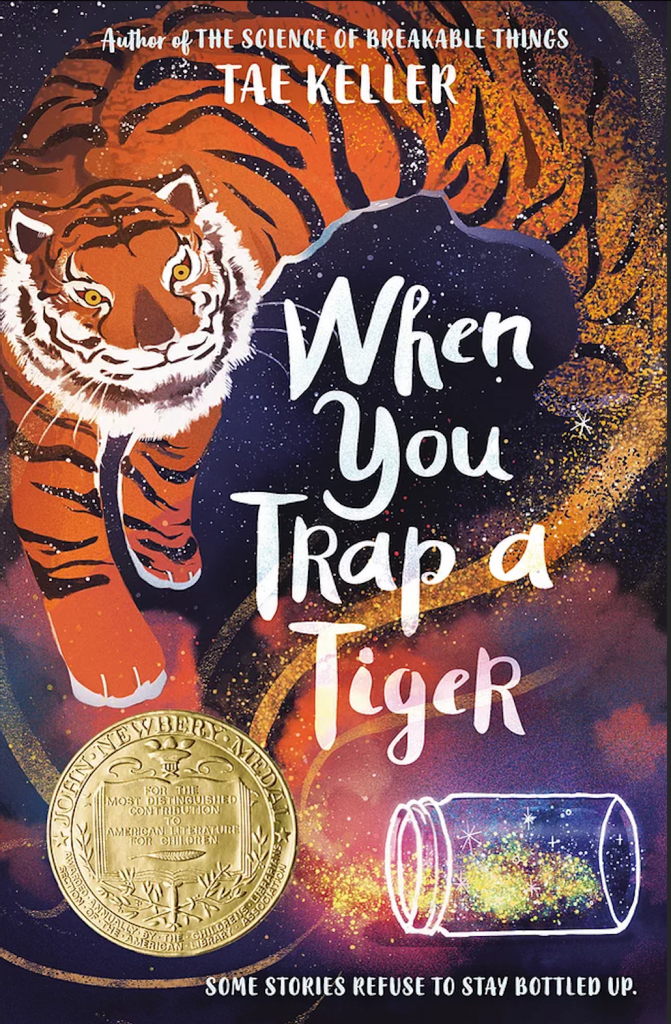
Image Courtesy of taekeller.com

When You Trap a Tiger by Tae Keller is a lovely novel about the power of stories to connect with one’s past and the power of letting a little magic into your life. This book won the 2021 Newbery Medal and is a great middle-grade book. Keller opens a star jar of stories that will delight and immerse readers.

Jacket Description:

“When Lily and her family move in with her sick grandmother, a magical tiger straight out of her halmoni’s Korean folktales arrives, prompting Lily to unravel a secret family history. Long, long ago, Halmoni stole something from the tigers. Now, the tigers want it back. And when one of those tigers approaches Lily with a deal—return what Halmoni stole in exchange for Halmoni’s health—Lily is tempted to accept. But deals with tigers are never what they seem! With the help of her sister and her new friend Ricky, Lily must find her voice… and the courage to face a tiger.”

Reading Level: 8+ years

Age Range: 6+ years

Genre: Middle-Grade Fiction, Fantasy

Length: 304 pages

Awards: Newbery Medal (2021), Asian/Pacific American Award for Children’s Literature

Saavedra Photography

Tae Keller’s Bio (from author’s website):

“Tae Keller grew up in Honolulu, Hawaii, where she subsisted on kimchi, purple rice, and stories. Now, she writes about biracial girls trying to find their voices, and lives in Seattle with her husband and a multitude of books.”

Home, Science

Sauropods

by Lucas Garcia

Barosaurus – by Fred Wierum

Most herbivorous dinosaurs kind of take a back seat when it comes to pop culture, especially sauropods.  Sauropods often don’t get the spotlight they deserve, as they are usually dismissed as nothing more than gentle, long-necked giants.

Argentinosaurus

But what some don’t realize is the largest animals to have ever lived on land were sauropods!  For example, scientists estimate that adult Argentinosaurus and Mamenchisaurus could have weighed up to 175,000 pounds!!  To put that into perspective, the largest living land animal, the African elephant, only weighs 13,000 pounds.  Even one of the smallest sauropods, the Ohmdenosaurus, weighed almost 2,500 pounds, which is more than a horse.

The long necks of sauropods are easily their most well-known physical feature.  The necks of all sauropods were made up of hollow bones.  These hollow bones were not only essential in supporting their immense weight but also allowed for greater efficiency in both eating and breathing. 

Generally, most types of sauropods looked very similar. However, some did develop a variety of unique adaptations.  Most of these adaptations are hypothesized to have been used for defense.  For example, the Saltasaurus had osteoderms or boney deposits all over its body, similar to the armor of ankylosaurs.  Shunosaurus had a tail club which was most likely used to fend off predators.

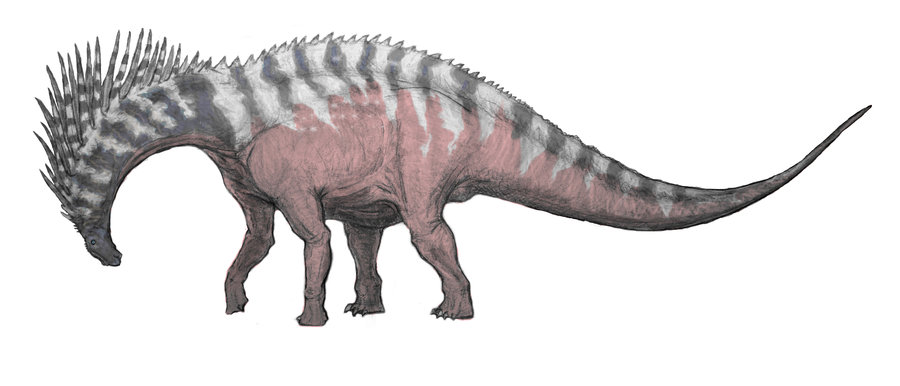
Amargasaurus – by Ashere

One of my favorite sauropods is the Amargasaurus.  It was discovered in 1984 in Argentina, and the original fossil is one of the most complete sauropod skeletons ever found.  What stands out about Amargasaurus are the two parallel rows of tall spines down its neck and back.  These spines could have been used in display and/or defense.  It is theorized that Amargasaurus could have bent its neck in order to point its spines forward.  Although it was relatively small for a sauropod, it still reached lengths of 30 to 33 feet and could weigh over 5,700 pounds.

Although maybe not as exciting as other dinosaurs like Tyrannosaurus, from an evolutionary standpoint, sauropods were incredibly successful.  They lasted longer than any other group of herbivorous dinosaurs.  Sauropods were present from the Late Triassic all the way to the end of the Cretaceous with the extinction of the dinosaurs.  That’s about 149 million years!

I’ve talked about the Jurassic Park and Jurassic World movies before because of my love for all things dinosaur.  It’s always had an emotional impact on me to see dinosaurs brought to life like that.  In fact, the first dinosaur we see in those movies is the Brachiosaurus, a sauropod.  Even though the T. Rex and Velociraptors get so much more screen time, it’s like even the filmmakers had to acknowledge that nothing could beat the visual impact and majesty of a sauropod walking once more.

The scene from Jurassic Park recreated in the game Jurassic World: Evolution

Arts and Culture, Home

Five Female Composers You May Not Have Heard Of

by Lucie Ruggiero

When you hear the word ‘composer’, probably the first thing that pops into your head are names such as Beethoven, Mozart, or Bach. You may think of a man in a powdered wig sitting at a piano, candle burning through the night, playing wildly on the keys. But composers are not all dead, white men. Gasp! Really? 

Indeed, dead, white men are the most prominent, well-known, and revered composers. This can leave one feeling as if there is no room for women in the composing world. But fear not! Women have been composing and creating great music for just as long as men. It’s high time we shine the spotlight on someone besides Mozart and Beethoven. Here are five talented female composers (past and present) to add to your repertoire. 

…

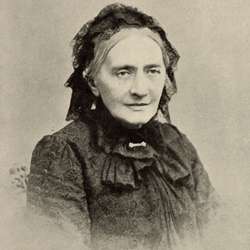
Clara Schumann (Image Courtesy of Encyclopedia Britannica)

Clara Schumann (1819-1896):

Composing gives me great pleasure… there is nothing that surpasses the joy of creation, if only because through it one wins hours of self-forgetfulness, when one lives in a world of sound.”

Clara Schumann

Clara Schumann was a German composer and pianist of the Romantic era. As a child, she was a piano prodigy. As an adult, she taught piano and toured frequently, performing 238 concerts with Joseph Joachim. Her husband, Robert Schumann, was also a composer and they sometimes composed together. Her career spanned over 60 years, and she composed 66 works, according to the Dallas Symphony Orchestra website. Playing piano in concerts by memory was pioneered by Schumann and it is now the standard to do so.

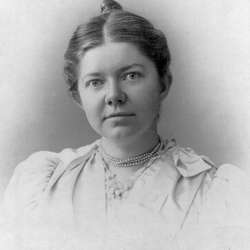
Amy Beach (Image Courtesy of Encyclopedia Britannica)

Amy Beach (1867-1944):

Music is the superlative expression of life experience, and woman by the very nature of her position is denied many of the experiences that color the life of man.”

Amy Beach

Amy Beach was an American composer and pianist. According to her biography on the Library of Congress website, “Young Amy was a true prodigy who memorized forty songs at the age of one and taught herself to read at age three”. Beach helped to found the Society of American Women Composers in 1925 and is credited as the first successful female American composer. She published over 100 works during her lifetime, with more being published in recent years. 

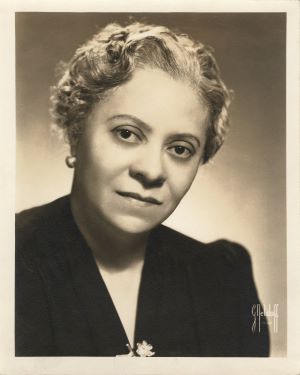
Florence Price (Image Courtesy of Aspen Music Festival and School, by G. Nelidoff)

Florence Price (1887-1953):

Florence Price was an American composer, pianist, organist, and music teacher. Her mother, a music teacher, taught Price, and by age four she was playing and composing on the piano. She went to school at the New England Conservatory and graduated at 19. After school, she moved back to Arkansas, where she married Thomas J. Price and had two children. However, racism and lynchings forced them to move to Chicago. There she began to flourish as a composer. She won two first-place Rodman Wanamaker Music Awards, one for her Symphony in E minor, and the second for her Piano Sonata in E minor. Although she still faced setbacks because of race and gender, she gained recognition for her music during her lifetime. According to the Encyclopedia of Arkansas, she composed over 300 pieces. 

Xin Huguang (Image Courtesy of Primephonic)

Xin Huguang (1933-2011):

Xin Huguang was a Chinese composer and composition teacher. She was born in Shanghai on October 16, 1933. In 1951, she enrolled in the Beijing Central Conservatory of Music. Huguang is known for her famous symphonic poem Gada Meilin (also spelled Gada Meiren and Ka Ta Mei Ling), which she composed at 23. The Gada Meilin was her graduate work. After graduation, she moved to Mongolia with her husband, Bao Yu Shan, and taught composition at the Inner Mongolian Arts School until 1980. She then worked as a composer for the Beijing Music and Dance Company. In 1991, she moved to America. 

Unsuk Chin (1961- ):

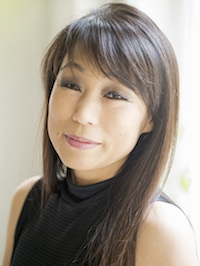
Unsuk Chin (Image Courtesy of New York Philharmonic)

My music is a reflection of my dreams. I try to render into music the visions of immense light and of an incredible magnificence of colours that I see in all my dreams, a play of light and colours floating through the room and at the same time forming a fluid sound sculpture. Its beauty is very abstract and remote, but it is for these very qualities that it addresses the emotions and can communicate joy and warmth.”

Unsuk Chin

Unsuk Chin is a South Korean composer internationally renowned for her music. She started learning music theory at a young age and went on to Seoul National University, where she studied composition. Her music is in the contemporary classical genre and she has received numerous awards for her work.

…

These five composers created beautiful music, from symphonies to concertos. They created in ways no one thought of before. Did you know any of these composers before reading about them? If not, what does that say about who we champion in music? In the future, when you are listening to music, I encourage you to look for other female composers. Searching beyond the traditional horizon of “the greats” can lead to surprising, and often rewarding discoveries.

Arts and Culture, Home

Authors Spotlight: Brown Girl Dreaming

by Lucie Ruggiero

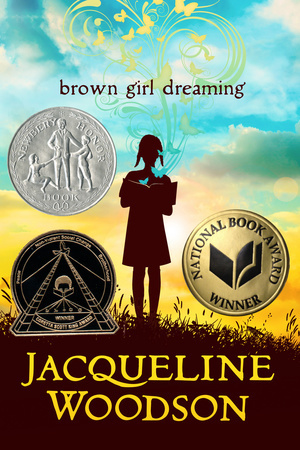
Image Courtesy of Goodreads

Both personal and universal, Brown Girl Dreaming is full of the bright happiness of childhood memories. Jacqueline Woodson’s poetic memoir is rich and layered like a buttered biscuit, melting on the tongue. Through the poetic eyes of young Jacqueline, we smell Dixie Peach Hair Grease on a Saturday night, taste Maria’s mother’s pasteles, and see the light of captured fireflies. Woodson’s poems display the little beauties and big sorrows of life, but are always infused with hope. 

Jacket Description:

“Raised in South Carolina and New York, Woodson always felt halfway home in each place. In vivid poems, she shares what it was like to grow up as an African American in the 1960s and 1970s, living with the remnants of Jim Crow and her growing awareness of the Civil Rights movement. Touching and powerful, each poem is both accessible and emotionally charged, each line a glimpse into a child’s soul as she searches for her place in the world. Woodson’s eloquent poetry also reflects the joy of finding her voice through writing stories, despite the fact that she struggled with reading as a child. Her love of stories inspired her and stayed with her, creating the first sparks of the gifted writer she was to become.”

Reading Level: 10+ years

Age Range: 10+ years

Genre: Middle-Grade Poetry, Autobiography, Memoir

Length: 368 pages

Awards: Newbery Honor, National Book Award, NAACP Image Award, Coretta Scott King Award, Sibert Honor Award

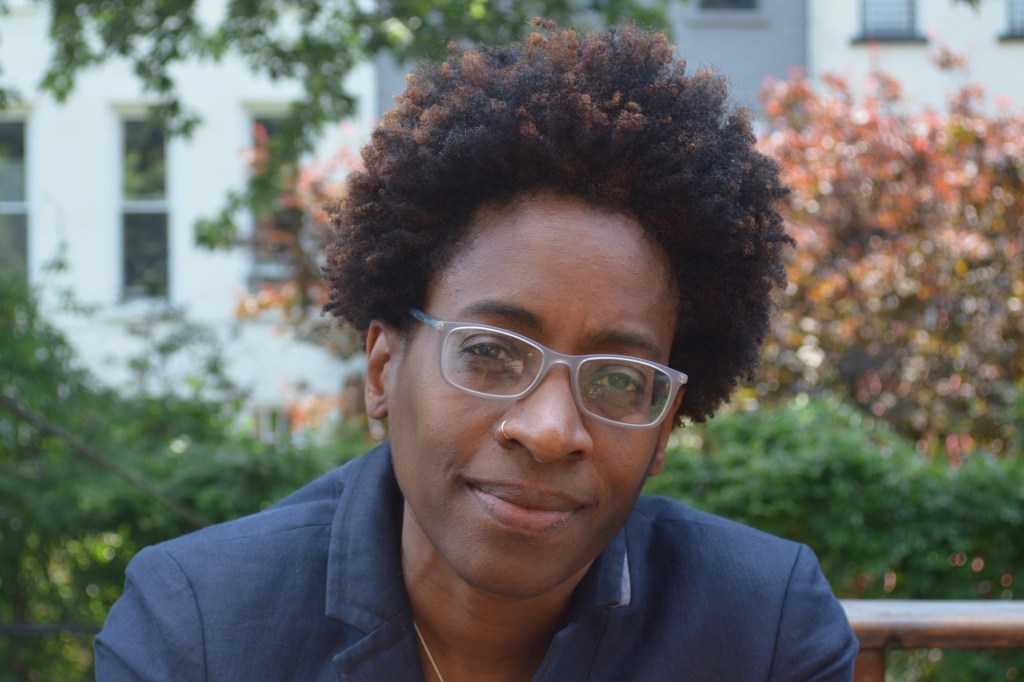
Image Courtesy of Poetry Foundation (by Toshi Widoff-Woodson)

Jacqueline Woodson’s Bio (from the back of the book):

“Jacqueline Woodson is the 2014 National Book Award Winner for her New York Times bestselling memoir Brown Girl Dreaming, which was also a recipient of the Coretta Scott King Award, a Newbery Honor Award, the NAACP Image Award, and Sibert Honor Award. Woodson was recently named the Young People’s Poet Laureate by the Poetry Foundation. She is the author of more than two dozen award-winning books for young adults, middle graders, and children; among her many accolades, she is a four-time Newbery Honor winner, a three-time National Book Award finalist, and a two-time Coretta Scott King Award winner. Her books include The Other Side; Each Kindness; the Caldecott Honor Book Coming on Home Soon; the Newbery Honor winners Feathers, Show Way, and After Tupac and D Foster; and Miracle’s Boys, which received the LA Times Book Prize and the Coretta Scott King Award and was adapted into a miniseries directed by Spike Lee. Jacqueline is also the recipient of the Margaret A. Edwards Award for lifetime achievement for her contributions to young adult literature, and the winner of the Jane Addams Children’s Book Award, and was the 2013 United States nominee for the Hans Christian Andersen Award. She lives with her family in Brooklyn, New York.”

Jacqueline Woodson can be found on her website and @jacqueline_woodson on Instagram.

Watch Jacqueline Woodson’s TED Talk What reading slowly taught me about writing on YouTube.

News

In Honor of Prince Philip, Duke of Edinburgh

by Ava Salado

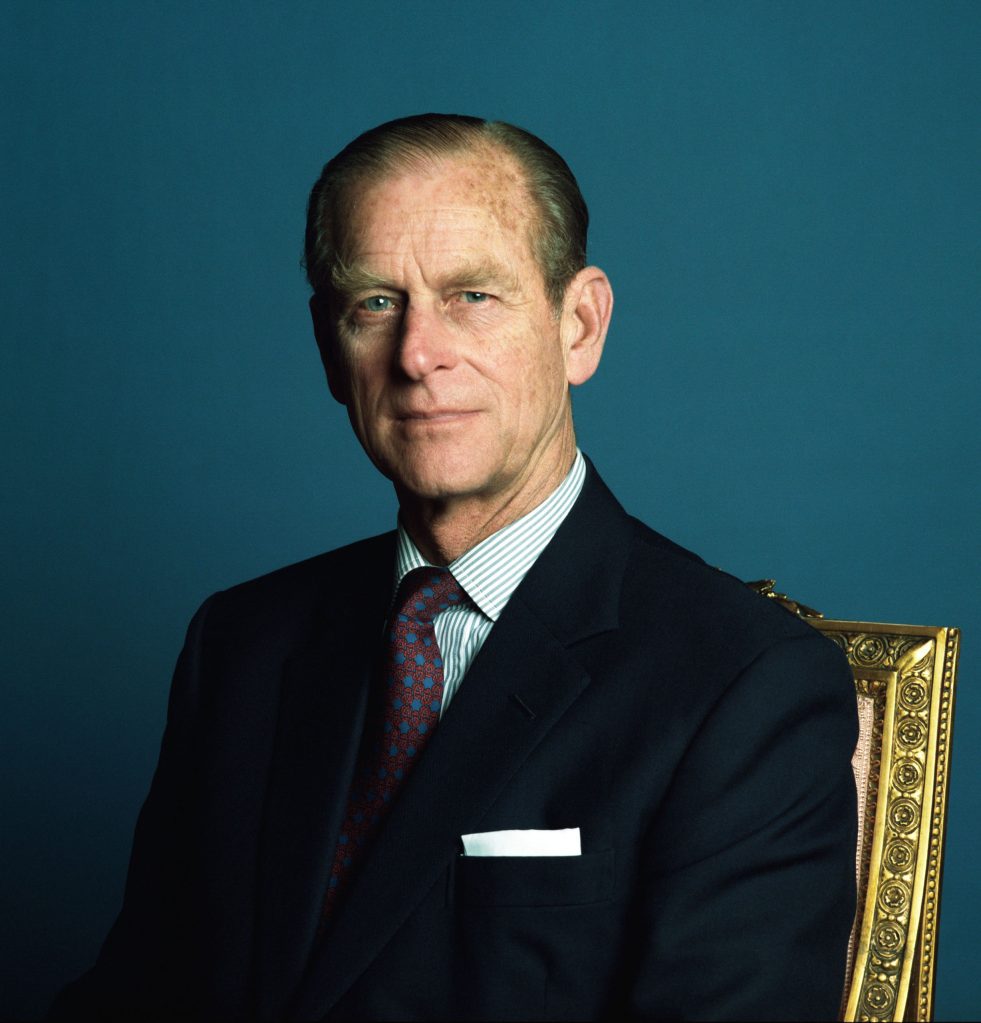
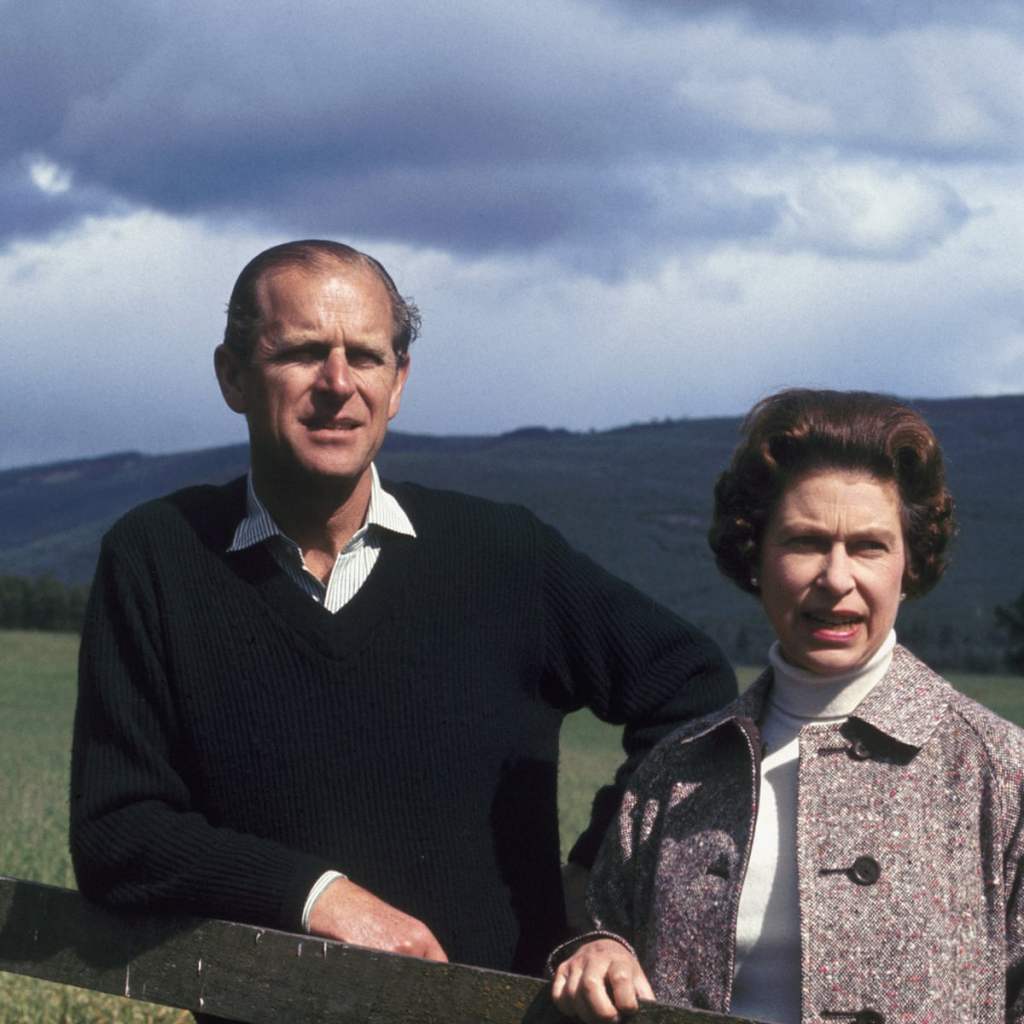
Photo Courtesy of Town and Country Magazine

It has been a sad couple days for the royal family, for Great Britain and for the world.

Prince Philip, Duke of Edinburgh, passed away April 9th 2021. The royal family made a statement to share the news on their official website this Friday. They report that he passed “peacefully” in Windsor Castle. Prince Philip and Queen Elizabeth II have been married for 73 years now and have been through good and bad together, being the longest marriage in British monarch history. Their somewhat “fairytale” love story is one for the ages and his extraordinary life is truly one to remember. 

Photo Courtesy of Cosmopolitan

He was born June 10, 1921 in Mon Repos, Corfu, Kingdom of Greece to Greek and Danish royal Families, he was the only son of five children and last born. He was related to 

George I of Greece, King of Greece from 1863 to 1913 and Christian XI of Denmark because he was in line for both thrones. The Greco-Turkish war went badly, and Phillip’s family was thought at risk and banished from Greece.  Phillips family escaped safely in a cot made of fruit boxes and went to France where they settled in a small French suburb. 

Photo Courtesy of The New Yorker

Phillip first went to The Elms school, then he went to the Cheam School in the United Kingdom. He lived with his grandmother Victoria Mountbatten in the Kensington Palace, then he lived with George Mountbatten, 2nd Marquess of Milford Haven, in Lynden Manor. Prince Philip’s mother was eventually diagnosed with schizophrenia and sent to an asylum, he unfortunately had little to no contact with his mother for the rest of his childhood. After this he was sent to Schule Schloss Salem school of Germany in 1933. The school was owned by his brother-in-law’s family. 

When Philip was 16, his sister Cecilie, her new born child, and two other children, husband, and Cecilie’s mother-in-law all died in a plane crash, then his uncle and guardian died of bone marrow cancer the following year. Phillip endured pain and sorrow throughout his childhood and it scarred him for the remainder of his life.  

Photo Courtesy of Tatler

In 1939 he finished his first term in the Royal Naval College and graduated best cadet in his course. In the second world war, he served in the British forces, while his two brother-in-laws fought on the opposite German side. In January 1940 Philip was appointed midshipman and spent four months in the ship, HMS Ramillies, participating in the Australian Expeditionary Force in the Indian Ocean. 

Photo Courtesy of The Guardian

In 1939, Elizabeth II and her father, King George XI, toured Royal Naval College, Dartmouth, the college that Philip went to. On the visit, Phillip was asked to escort the two daughters of the King around, Elizabeth and Margaret. Elizebeth fell in love with him and they began sending letters to each other, eventually in the summer of 1946 Phillip asked the King if he would give him Elizabeth’s hand in marriage, the king accepted and they were married November 20th, 1947 in Westminster Abbey.

He was an amazing man with an interesting past and we are all truly fortunate to learn about it now, so we thank him for his service and the extraordinary life that he has shared.  

Home, Science

Antlion

by Lucas Garcia

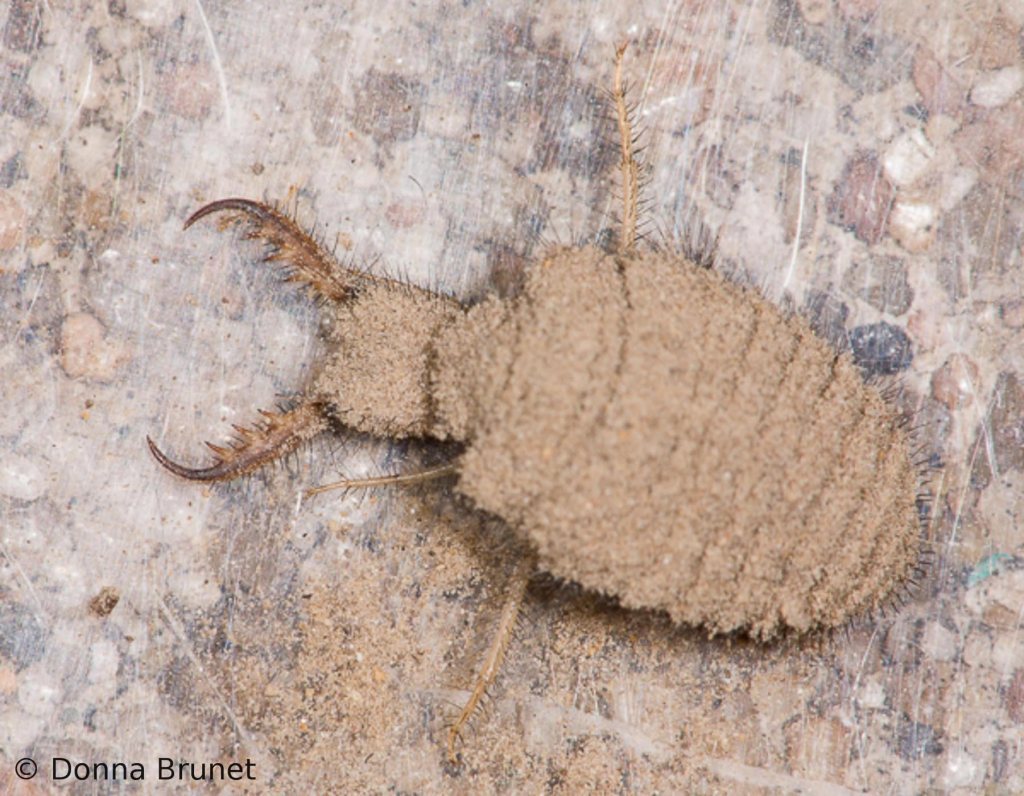
Antlion Larvae

Antlion Adult

Antlions are a group of insects in the family Myrmeleontidae.  They are known for their larvae’s predatory habits, with many species lying at the bottom of pits to trap their prey.  There are over 2000 species that live in a lot of diverse environments, from the tropics to places with cold temperatures, though most commonly in dry and sandy habitats.  Antlion larva have large abdomens and a thorax with three pairs of legs.  The prothorax acts as a neck for the large, flattened head.  Their sickle-like jaws nearly double the length of their heads, and the adults closely resemble dragonflies.  Antlions are commonly referenced in pop-culture, some examples including three Pokemon based on them, along with the Sarlacc in Star Wars behaving similarly to the larval stage as well.

Arts and Culture

Some Gardening Tips

by Ava Salado

All of us have a hobby, some like drawing, some like cooking, some like writing, and some like gardening. Whether it be your profession or just a leisure activity we always like a few new tips every once in a while, we all want to improve our game and, let’s face it, put our neighbors garden to shame. So here are some tips to have a better, healthier and happier garden this spring. 

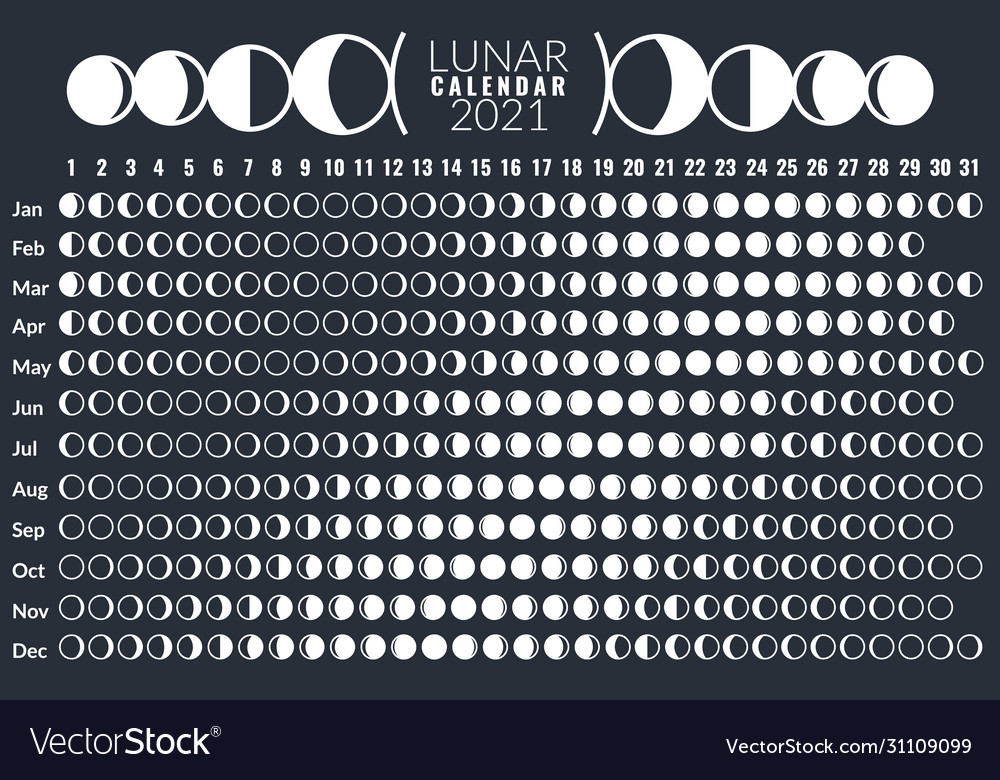
Photo Courtesy of Vector Stock

1.  Planting your garden by the Lunar Calendar 

Planting by the moon phases has been a trick used for hundreds of years. For example, people would plant their seeds and crops during the three day period of the new moon (when the moon is at its darkest).

The moon can affect when tides come up, when tides go down, and the moisture levels in the soil. When there is a new moon or a full moon, the soil swells and the seeds have a better chance of becoming healthier and better established plants.                                                              

2.  Putting coffee in your soil 

Photo Courtesy of The Spruce Eats

Over 50% of Americans over the age of 18 drink coffee daily, so next time you go to get a cup of caffeine, save the coffee grounds and put them in an airtight jar and store in the refrigerator or cool place. Then when you are ready to plant your veggies, sprinkle the grounds on the top layer of the soil. It is important to know what plants you are dealing with, coffee contains a lot of acid, some plants, like azaleas and blueberries love and need acid, but for other plants like geranium, asparagus, fern, Chinese mustard, and Italian ryegrass, it could be detrimental, use wisely and sparingly. We all find those cold, lost, deserted, unfinished cups of coffee scattered around the house that you might throw down the drain (or just on your lawn). But there is a better way, you can either pour the cooled down coffee on your Hydrangea or compost the coffee and the grounds.

3. All About Winter Gardens 

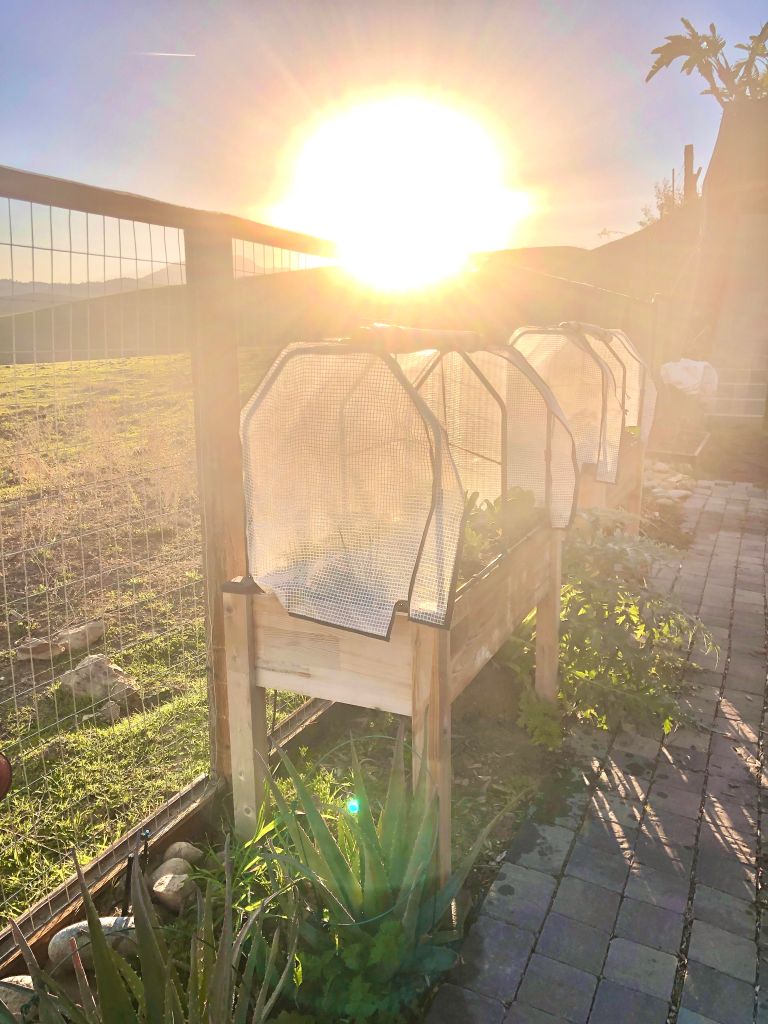
A Winter Garden is a garden box with a zip up cover to block wind, frost and other forces of nature, it is so handy to have when you miss all of your favorite veggies in the cold of winter. When it gets back to spring weather, simply take off the cover and use just the garden box. There are some winter garden covers on the market that are just to cover ground plants. Prices may vary, it really depends on what you are looking for. Some good vegetables to plant in your winter garden are garlic, onions, lettuce, radishes, potatoes, peas, chard, rhubarb, spinach, kale, bok choy and leeks (there’s a Leek in the boat!! Sorry, I had to). 


4. How to contain Catnip 

Photo Courtesy of The Conversation

If you are like a lot of others and have a furry little  beast of your own, then you know the challenge of keeping their favorite, beloved Catnip away from them before it grows. It is by far one of the hardest things to do in gardening, if you plant it in the ground they will rub and roll all over the plant and destroy it. If you plant it in a pot, they are like little ghosts and will find it and knock it off the table or countertop instantly. So what do you do? Try and hide it from the tiny fuzz ball, or just not get it at all?  There might be another way.    

If you want to grow Catnip in your home, put the seed or pre-grow plant in a plastic pot, put it up somewhere with lots of sun and where your feline can’t get to it. The reason that I say plastic pot is that cats are unpredictable and despite your best efforts of keeping the plant in a high and safe place, your furry friend could still find it. In case they do happen to knock it off the place you put it, the plastic won’t shatter and lead to damaging you, your cat or the floor.

If you want to plant your catnip outside, you can either plant them in your winter garden with the zip up cover that we talked about earlier or make a chicken wire cone about as big as you think your plant will be. But make it tall because you will stick it about 4 inches down in the ground so your cat can’t knock it over. And of course, bend the exposed tops of the chicken wire so it doesn’t poke anybody. 

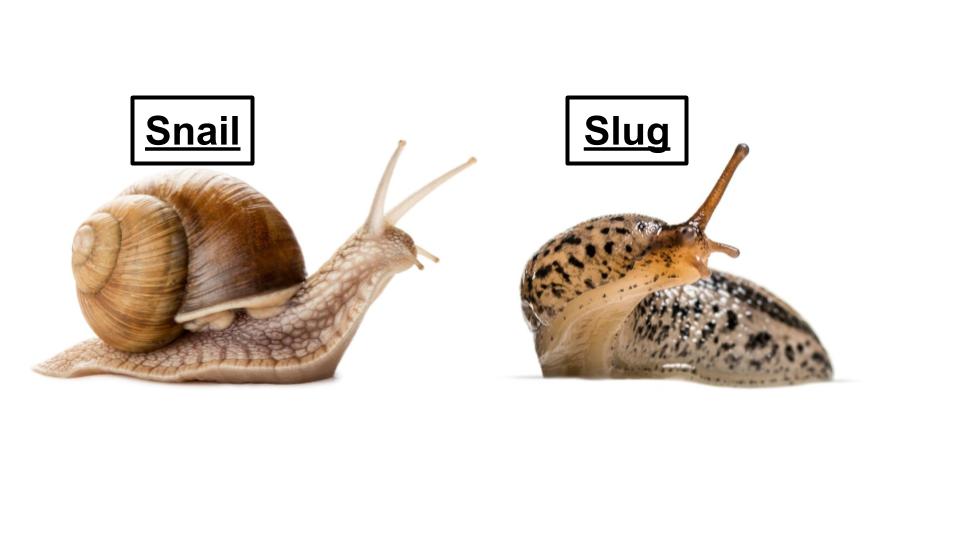
5. How to get rid of Snails and Slugs 

Photo Courtesy of Bird Watching HQ

There are thousands of products on the market to get rid of snails and slugs, the problem is, all of them hurt or kill them. There are thousands of products on the market to get rid of snails and slugs, the problem is, all of them hurt or kill them. There are other more natural ways like beer and salt, but they still hurt the insect, so how can you get rid of them while keeping ourselves, the insects, and your garden safe? On a summer or spring night, bring the family out and go on a snail and slug hunt! Grab a bucket and collect as many snails and slugs as you can get. On a good night, you could get up to 300 of them! Then gently place them in your cities compost bin, they will then be transported safely. It is a surprisingly fun family night activity, so grab your rain boots and headlights and let’s find some snails!

Maybe you have some tips and gardening secrets to share, if you do, email us at thelighthousetve@gmail.com and, if you like, we can share those tips in another article. Happy gardening all, I hope these tips help you and your garden and help you enjoy your hobby a little more!

Arts and Culture, Home

Authors Spotlight: Where the Mountain Meets the Moon

by Lucie Ruggiero

Editors note: This review is the first in a series that showcases the work of authors of color.

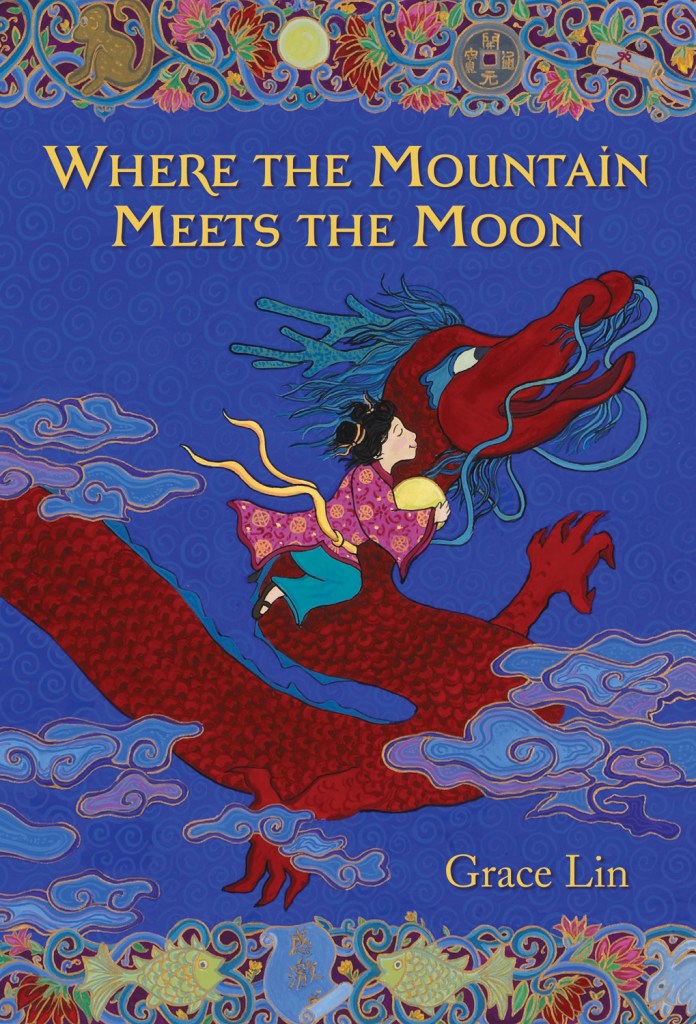
Image Source: gracelin.com

A story entwined within a story, in a world where the tales of Jade Dragon and the Old Man on the Moon may not just be myths. Where the Mountain Meets the Moon is about a girl on a journey to change her family’s fortune. This beautiful and heartwarming novel won a Newbery Honor in 2010. Grace Lin’s rich, interwoven world of magic and myth, accompanied by her glowing illustrations, makes this book both compelling and entertaining.

Jacket Description:

“In the valley of Fruitless mountain, a young girl named Minli lives in a ramshackle hut with her parents. In the evenings, her father regales her with old folktales of the Jade Dragon and the Old Man on the Moon, who knows the answers to all of life’s questions. Inspired by these stories, Minli sets off on an extraordinary journey to find the Old Man on the Moon to ask him how she can change her family’s fortune. She encounters an assorted cast of characters and magical creatures along the way, including a dragon who accompanies her on her quest for the ultimate answer.”

Reading Level: 8+ years

Age Range: 6+ years

Genre: Middle-Grade Fantasy Fiction

Length: 278 pages

Awards: Newbery Honor, Mythopoeic Fantasy Award

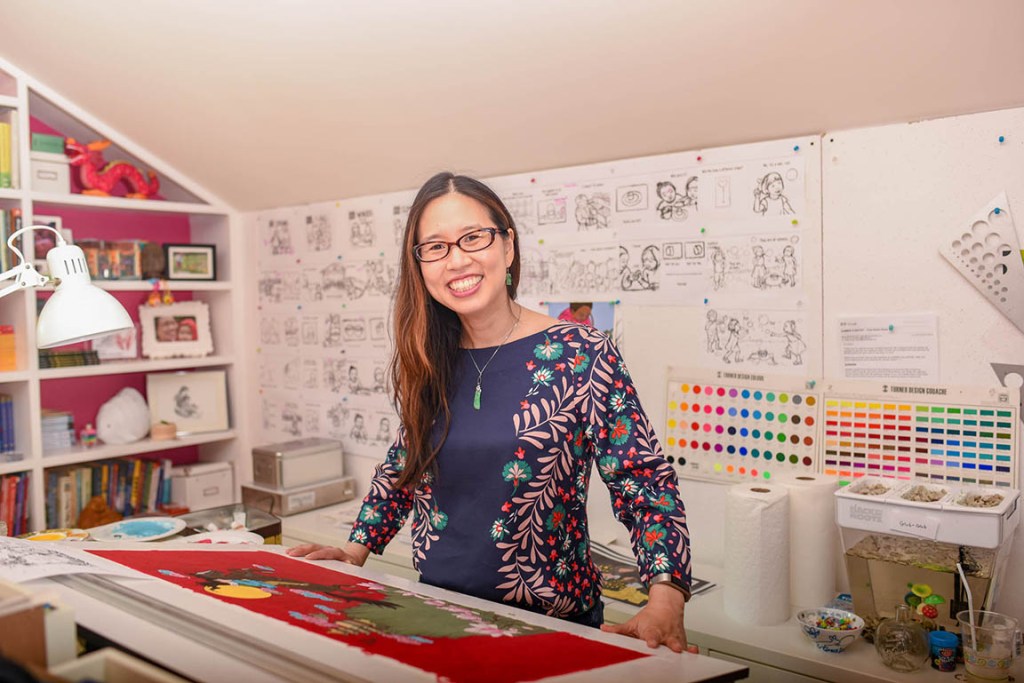
Grace Lin – Image Source: gracelin.com

Grace Lin’s Bio (excerpt from Grace Lin’s website):

“Before Grace Lin was an award-winning and NY Times bestselling author/illustrator of picturebooks, early readers and middle grade novels, she was the only Asian girl (except for her sisters) going to her elementary school in Upstate NY. That experience, good and bad, has influenced her books—including her Newbery Honor Where the Mountain Meets the Moon, her Geisel Honor Ling & Ting, her National Book Finalist When the Sea Turned to Silver and her Caldecott Honor A Big Mooncake for Little Star. But, it also causes Grace to persevere for diversity as an occasional New England Public Radio commentator and when she gave her TEDx talk “The Windows and Mirrors of Your Child’s Bookshelf,” as well as her PBSNewHour video essay “What to do when you realize classic books from your childhood are racist?.” She continued this mission with a hundred episodes of the podcast kidlitwomen and now currently hosts two other podcasts: Book Friends Forever and Kids Ask Authors. In 2016, Grace’s art was displayed at the White House and Grace, herself, was recognized by President Obama’s office as a Champion of Change for Asian American and Pacific Islander Art and Storytelling.” 

Grace Lin can also be found on her Instagram: @pacylin

Arts and Culture, Home

The Origins of the Easter Bunny

by Olivia Brazier

A popular Easter tradition is that of the easter egg hunt when children collect plastic eggs filled with candy. These treats are said to be left by the Easter Bunny. The character of the Easter Bunny is mysterious and somewhat disconnected from the holiday he represents. What does a rabbit that hides eggs have to do with the Christian holiday celebrating the resurrection of Christ? And for that matter, where do the eggs come from? Does the bunny lay them? That’s not biologically accurate, right?

Image by Rebekka D from Pixabay

Although we don’t know the rabbit’s exact origins as a symbol for Easter, we do know that they have long been associated with fertility and springtime in pagan traditions. Eggs have also been connected to fertility. As Christianity spread, it absorbed preexisting symbols and traditions. It is possible that the rabbit and eggs we associate with Easter celebrations were symbols of a pagan spring festival, which was combined with Easter and adopted into the Christian tradition.

The Easter Bunny as we know him can be traced to German immigrants in Pennsylvania in the 1700s. Their children built nests for the rabbit they called “Osterhase.” On Easter morning, their nests would be filled with dyed eggs. This custom became popular across America. Over time the eggs were replaced with chocolate and other candies.

So that is the origin of the beloved Easter Bunny. When you’re collecting eggs next year, remember where he comes from and how he was able to bring some sweetness to your Easter morning!