Picture taken from my car as we drove close behind competitors vehicle
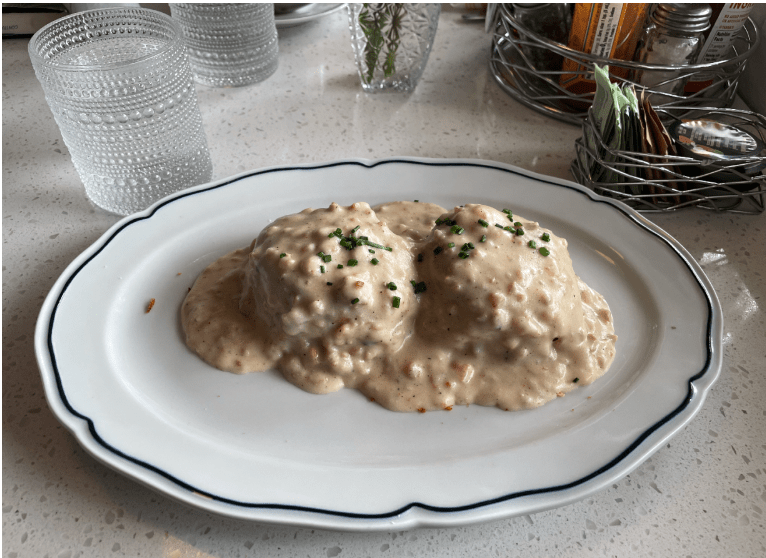
The Great Pumpkin Weigh-Off is a competition hosted in Half Moon Bay on Indigenous People’s Day. Competitors travel from all around to have their pumpkins weighed for a chance at first place, where the pumpkin is purchased at nine dollars per pound. The record-setting pumpkin receives an additional 30k, and immortalization as a pumpkin record breaker. The last record set was broken by Travis Grienger, with his monstrous 2,749 pound gourd. Each pumpkin is carted onto a scale, weighed, lifted into the air on a crane and carefully inspected for cracks, chemicals or rot. If any of these are found, the pumpkin is disqualified, but they still weigh it anyway. There’s also a great deal to do in the area: there’s a brunch place named “Johnny’s”. Johnny’s is admittedly pricey, but tasty, and it boasts an authentic breakfast diner atmosphere. The biscuits are delicious and drowned in gravy, and the tater tots are filling and plentiful. Ice cream scoops (chocolate, vanilla, and strawberry) are only three dollars each, if you’re on a budget or just looking for a snack.
“Drowned in gravy”
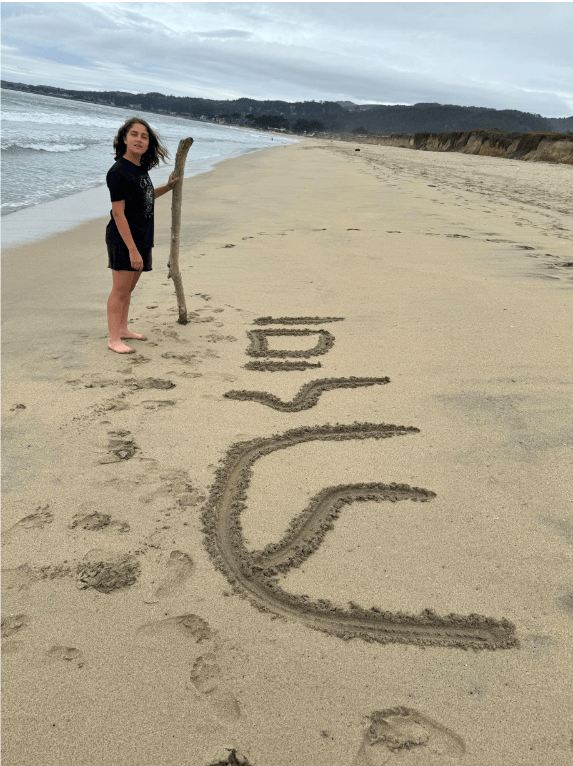
All of this is right by Half Moon Beach, a sandy coast surrounded by fields of succulent plants and pathways. A 10-foot drop-off marks the border between the sand and succulents, with the layers of rock sediment displayed like a science exhibit. Getting down to the beach looks tricky at first, since most obvious paths lead to edges that would be difficult to descend, but following the succulents will bring you to a wider path. On your way home, there are many pumpkin patches to pick from if you’d like to drop by and snag one, or get lost in a corn maze and never return. To summarize, next year on Indigenous Peoples’ Day, consider a trip to The Great Pumpkin Weigh-Off in Half Moon Bay. It’s definitely worth the drive!
My sister, Elaina, on the shore of Half Moon Bay in front of the Hebrew symbol for peace
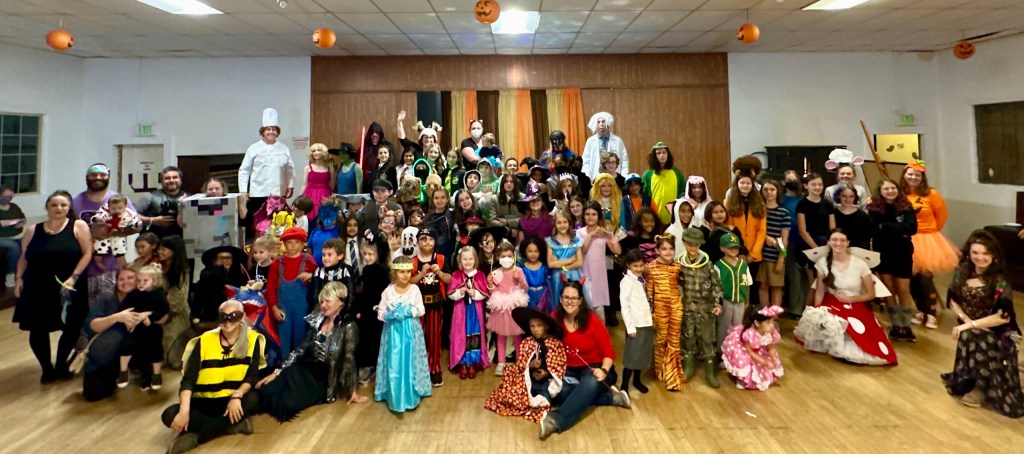
Hello TVE Community! I think it is safe to say the fall has officially…fallen. Isn’t it wonderful? Leaves of all shades of orange line the streets and the tidemark smell of autumn is finally out. So you know what that means? TVE’s Harvest Dance is here! Join us for our annual Family Harvest Dance! This event is for the whole family and promises to be a fantastic night! There will be music, dancing, a photo booth, a variety of snacks, games, a costume parade, arts & crafts and more! It is truly a TVE tradition that is a favorite for many.
Costumes are highly encouraged, but please be sure to wear family friendly costumes so the little ones aren’t frightened. You can sign up for what you can bring to the snack potluck!
It will be held on October 21st, 2023 from 6-10 pm. Check the TVE official Facebook page for the location, who is going, and much more information! To cover the expense of the venue we kindly ask for 8$ per person/guest and 25$ for a household of 3 or more.
We sincerely hope to see you at this year’s Harvest Dance!
The Hindu festival of Navarathri begins on the new moon during mid-September to mid-October. In the ancient Indian language of Sanskrit, nava means nine and rathri means night, so Navarathri translates to Nine Nights. It is also called Dussara, or Ten Days, in Hindi. During these nine nights, three legendary goddesses of Hinduism are honored.
The first three nights of Navarathri celebrate the warrior goddess Durga, who destroys the demons of greed, anger, jealousy, and ego. Goddess Durga’s victory over the demon Mahishasura, after a nine-day-long battle, is one of the reasons why Navarathri is celebrated. The next three nights are dedicated to Lakshmi, who is the goddess of prosperity and abundance in spirituality, courage, material wealth, victory, agriculture, and wisdom. During the last three nights, Saraswathi, the goddess of knowledge and learning is worshiped.
Here is a short prayer to Goddess Saraswathi in Sanskrit:
सरस्वति नमस्तुभ्यं वरदे कामरूपिणि ।
विद्यारंभं करिष्यामि सिद्धिर्भवतु मे सदा ॥
Saraswathi namasthubhyam varade kamarupini
vidyarambham karishyami siddhirbhavathu me sada
Translation:
Salutations to you, O Goddess Saraswathi, who is the giver of boons and who has a beautiful form! I now begin my studies. Let there always be success for me.
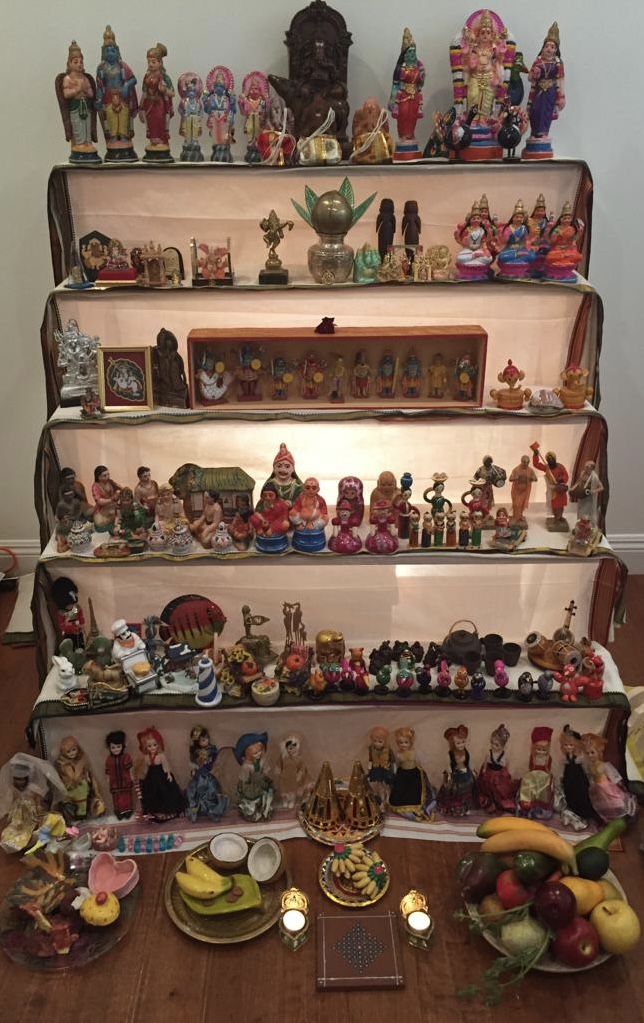
In southern India, each family builds a beautifully and elaborately decorated set of steps on which dolls made of clay, wood, or ceramic are arranged. Dolls are often passed down for generations and are many years old. The god and goddess images are placed on the higher steps, while human and animal dolls are set on the lower steps. These displays (known as golu in the South Indian language, Tamil) commonly depict weddings, rituals, ceremonies, or stories from the scriptures. Families dress up and visit each other, sing songs, and chant prayers.
Photo Courtesy of Gayathri N.
In northern India, families and devotees celebrate Navarathri by visiting temples, performing traditional dances, and enacting legends of the three Goddesses. The tenth day, called Vijaya Dasami, is believed (in north India) to be the day on which Prince Rama defeated the ten-headed demon, Ravana.
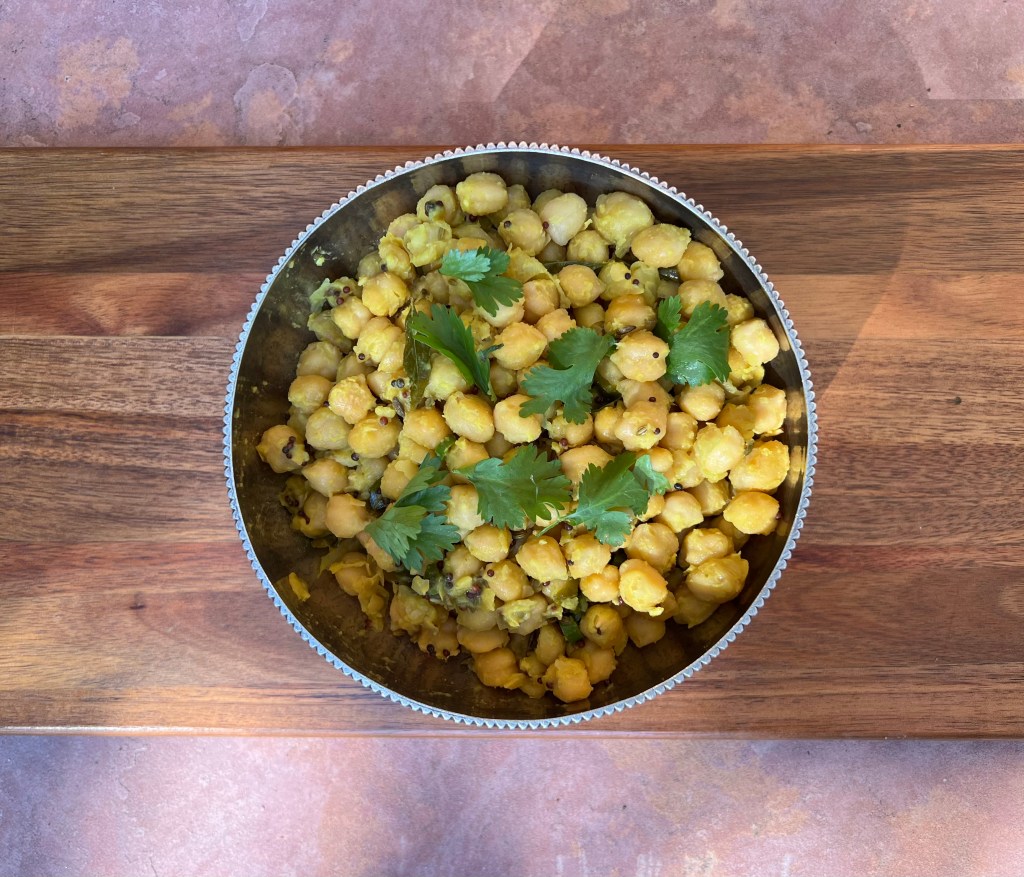
This is a recipe for Sundal, a traditional savory dish made with garbanzo beans:
Ingredients:
1 cup uncooked or 1 can of garbanzo beans
1 tbsp oil
1 tsp mustard seeds
1 tsp fennel seeds
⅛ tsp turmeric powder
1 tsp sugar
1 tsp salt
1 diced green chili or 1/4 tsp red pepper flakes.
1 small pinch of asafoetida (optional)
1 sprig of curry leaves (optional)
chopped cilantro (optional)
1. Soak the garbanzo beans in water for at least six hours, then cook them. If you are using canned garbanzo, drain them and skip this step.
2. Heat the oil in a saucepan, add the mustard seeds, and let them splutter.
3. Add the fennel seeds, green chilies or red pepper flakes, turmeric powder, asafoetida, and curry leaves. Stir, then add the garbanzo beans, salt and sugar. Mix until well combined.
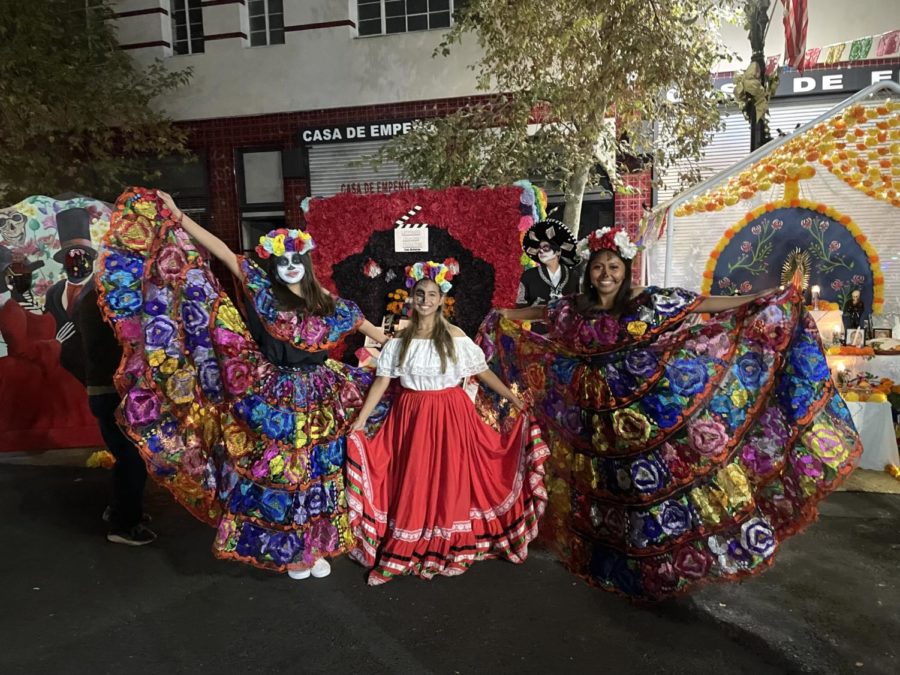
What is the Day of the Dead? We have probably all heard of it once or twice, especially around Halloween. Well, it’s actually a traditionally Mexican holiday where families welcome back the spirits of their deceased relatives for a short reunion. The festivities can include food, drinks, partying and celebration, singing, dancing, and much more
The Day of the Dead or el Día de los Muertos celebrations, usually held in modern-day Mexico and among people of Mexican origin in the United States and other countries, has its roots in pre-Columbian Mesoamerica (which dates back around 3,000 years.) The Nahua people who lived in what is now central Mexico–including the Aztecs–had a, one might say, unique outlook of the world and the cosmos. They considered death as a necessary and constant aspect of existence. It was believed that after death a person traveled to Chicunamictlán, the land of the dead. Only after nine difficult levels and stages, and a journey lasting several years, could the human soul finally reach Mictlán, its final resting place. The occasion is observed every year from October 31 to November 2. It incorporates Spanish culture, European religion, and Mesoamerican ritual. While Halloween occurs on October 31, November 2 is All Souls Day or, in other words, The Day of the Dead. According to ancient tradition, the gates of heaven will open up at exactly midnight on October 31 and the spirits of niños (children) can rejoin their families for 24 hours. The spirits of adults, like abuelas, abuelos, tías, tíos, or really anyone can do the same on November 2. (Abuela and abuelo are grandma and grandpa. Tía and tío are aunt and uncle.)
Photo by YMCA of Greater Seattle
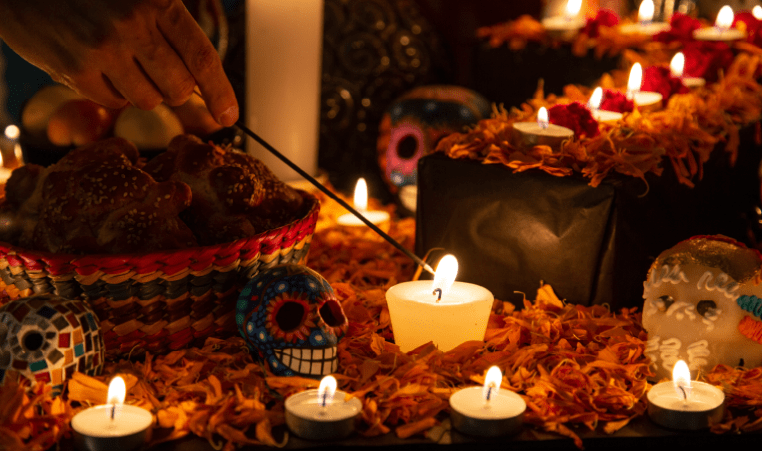
To help spirits return to their loved ones, people first construct an altar illuminated by candles or outside of their houses. Additionally, some of the deceased’s favorite foods are placed on the altar in case they grow hungry. On the altar, families also put things that were significant to the ancestors while they were living, such as a cherished book, musical instrument, heirloom, or even a child’s toy.
A huge party is then held in the cemetery. Families bring a substantial meal to consume as they sing songs, polish and repair tombstones, and communicate with their ancestors.
Even grandparents who have passed away before a baby was born could be introduced to the newborn by their parents.
Photo by The Royal Reporter
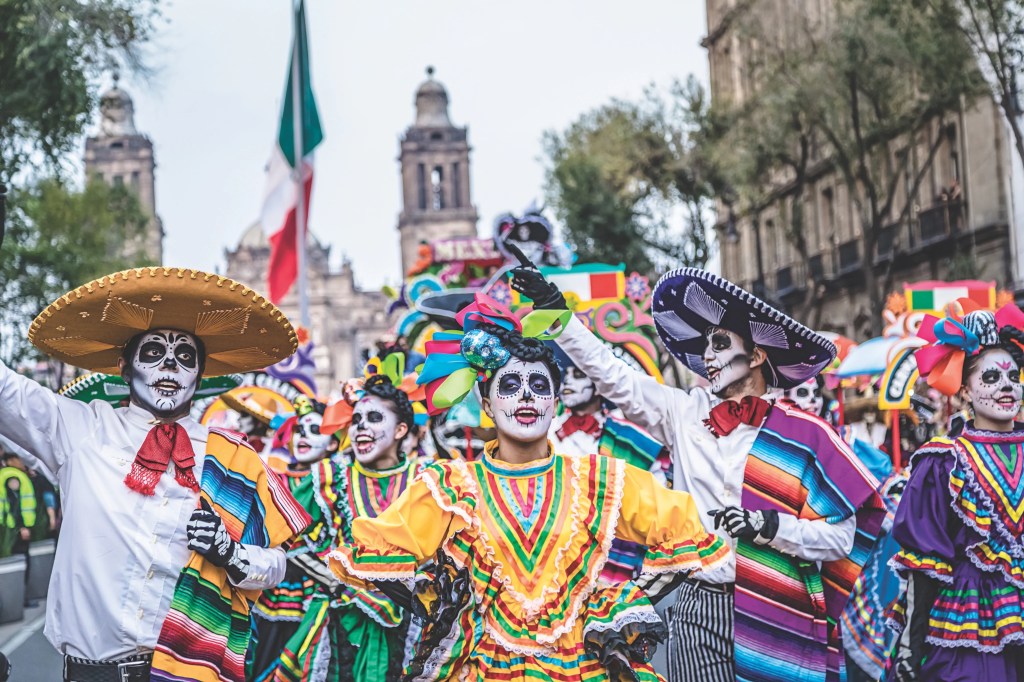
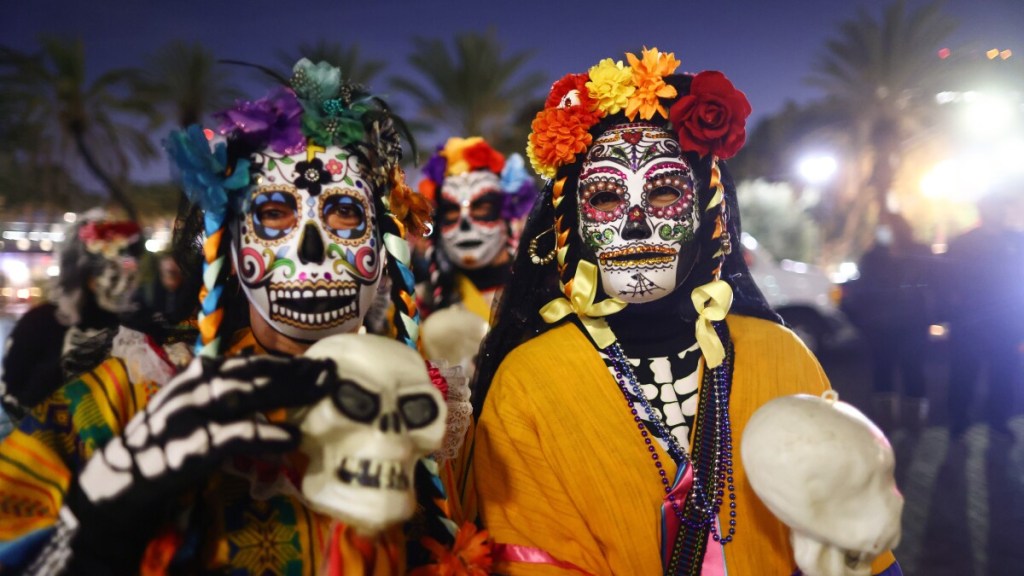
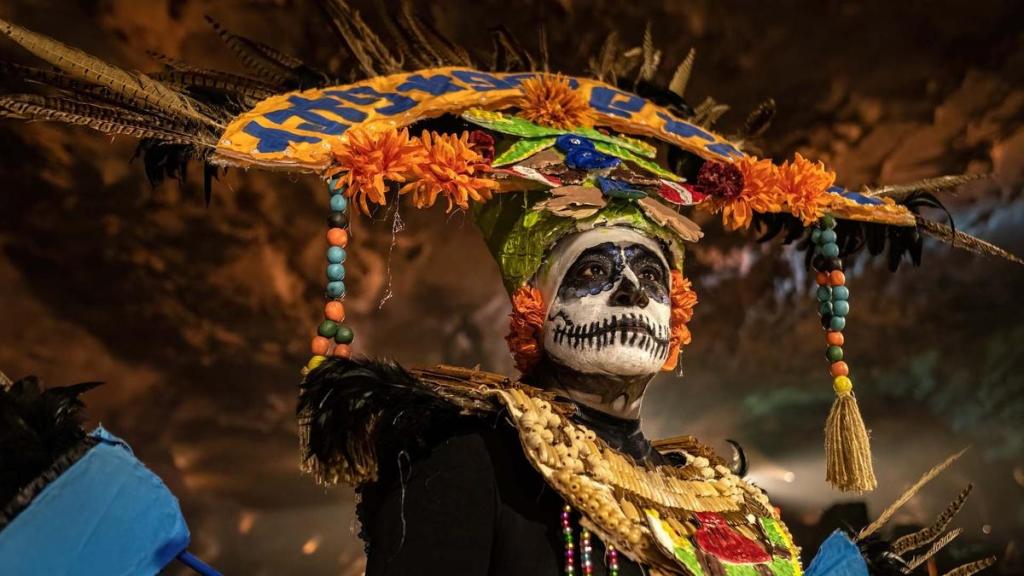
You may have seen festive photos of people dressed up in colorful dresses, suits, and make up. This is a very sacred tradition. You can get el Día de los Muertos-themed jewelry, clothes, leggings, make-up, decor, t-shirts, flower crowns and sugar skulls at basically any big box store. But however, let’s make one thing clear: el Día de los Muertos is not “Mexicans version of Halloween.” Rather, it seems to have been absorbed into the retail Halloween fixation and obsession, and has been reduced to an ‘aesthetic’ instead of a sacred Mexican cultural celebration. It should be respected as something that has been celebrated for many, many years and has so much cultural significance and importance to thousands of people (and ancestors). While the trademark colorful dresses and accessories can appear to be flamboyant fashion statements, in reality they are parts of habits and practices that date back to the time of the Aztecs over 3,000 years ago. Now, that’s not to say you should not celebrate and honor el Día de los Muertos, anyone can! But if you are wanting to buy and decorate your home with themed-decor this season, I would suggest buying from a family or personal-owned store. You can find these wonderful, authentic businesses on sites like Etsy or even at your local farmers market.
Photo by Thirteen.org
So, from me and my ancestors to you and yours, happy el Día de los Muertos!
Do you love art? Well be sure to visit the Legion of Honor museum in San Francisco, CA. It is filled with stunning pieces of art that are sure to catch your eye.
Artists in need of inspiration can treat themselves, and their families, to a field trip at the Legion of Honor. From paintings to sculptures, and even Faberge eggs, this stunning museum is a place to remember. Each gallery includes beautiful artwork with distinct techniques.
Some of the most beautiful artworks in the Legion of Honor are tapestries. They are huge, woven pictures. One example is the Triumph of Justice from the Triumph of the Seven Virtues series. It is woven from wool.
Triumph of Justice Photo by Lydia Matinov
Another stunning piece of art to look out for if you visit is “The Russian Bride’s Attire”.
It was painted by Konstantin Makovsky in the late 1800’s. The painting depicts a woman getting ready for her wedding, and is unhappy about it. She knows that it will end up a loveless marriage, and the man she will marry is significantly older. This true masterpiece shows great emotion. If you find yourself at the Legion of Honor, be sure to just sit down for a few minutes, and take a nice long look at “The Russian Bride’s Attire” to take in the wonderful detail.
The Russian Bride’s Attire Photo by Lydia Martinov
Right in front of the Legion is the “Holocaust Memorial”. If you are driving by, then make sure you check it out. It is a sculpture of a concentration camp from the Holocaust. It is free to look at, and very interesting to see.
The Legion of Honor actually has a pretty cool history. It was founded (or for those of you who love fancy words: established) by Alma de Bretteville Spreckels and her husband, Adolph B. Spreckels in 1924. That was 99 years ago. 2024 will be the 100th birthday of the Legion! That will be quite a grand event. Anyways, all those years ago, this incredible museum was a gift to San Francisco. That is a pretty big gift. Today, it’s one of the greatest treasures in San Francisco. For Alma de Bretteville and Adolph B. Spreckels, that is a very cool way to be remembered. The Legion of Honor’s “grand opening” was on November 11, 1924 (Armistice day). It was dedicated to the Californians of World War I.
The Legion of Honor is an incredibly fascinating place. For those who want to see the unusual artwork, and be flabbergasted by the Legion’s beauty, it is encouraged that they visit.
Boo! It’s that time of year again: Halloween! Halloween is one of my favorite days of the year. It’s a lot of fun to dress up, eat candy and have fun with your friends. This year, I’ll be dressing up as Sophie Foster from Keeper of the Lost Cities by Shannon Messenger. What about you?
Photo by The Old Farmers Almanac
Halloween has an incredible history. It all started with a Celtic festival called Samhain (pronounced Sah-win). The Celtics believed that at the end of Summer (when Samhain happened), the ghosts of the dead came back to Earth.
Scared of the haunting spirits, the Celtics would dress up in scary costumes to ward off the ghosts. They would light bonfires, and wear costumes for protection. In the 700s (8th Century AD), All Saints Day was declared by Pope Gregory lll. On November 1st, everyone would honor saints.
The day before All Saints’ Day was called All Hallows Eve. This name was chosen, because All Saints Day was also known as All Hallows Day. The night before, or the “eve” before, was called All Hallows Eve.
Photo by Crystal Canvas Art Designs
Nowadays, kids dress up in all kinds of fun costumes and go from door to door, shouting “Trick-or-Treat!” all night long. This Halloween, let’s all get ready to have some fun.
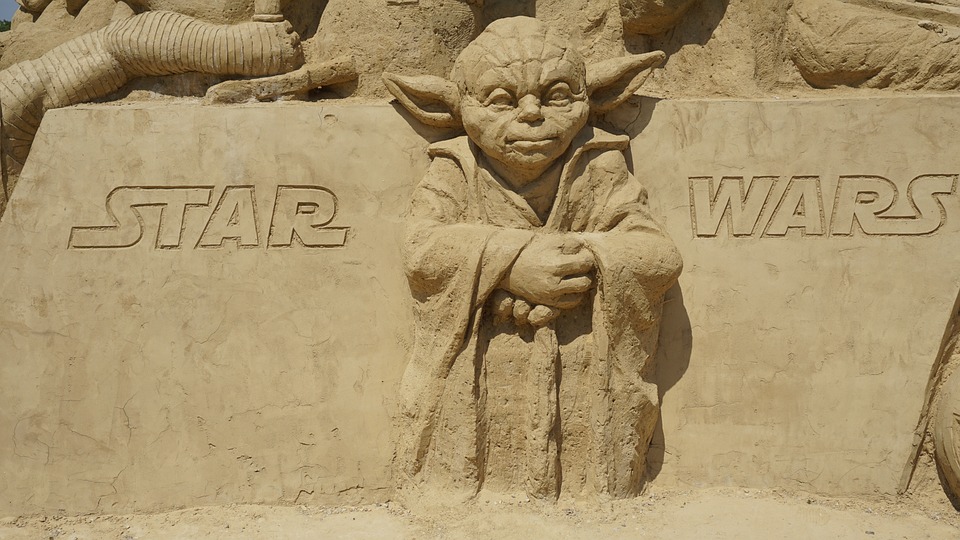
May the 4th be with you! Today, May 4th, is the official, annual Star Wars day! Star Wars is a popular movie series, and, personally, one of my favorites. There are three movie trilogies: The original, the prequel and the sequel.
Here are synopses of the three trilogies:
1. The Original Trilogy
The original trilogy follows the story of young Luke Skywalker, his twin, Leia Organa, and a scoundrel, Han Solo. Obi-Wan Kenobi, a Jedi Master, tells Luke about his destiny. Luke and Leia’s father, Darth Vader, became an evil Sith Lord when he was drawn to the dark side of the force. The trilogy is about how Luke finds his place, and finding out that Leia is his twin, telling her she was gifted with the force.
2. The Prequel Trilogy
The prequel trilogy is set before the original trilogy, even though it was released after. It is the tale of how Darth Vader, who was once Anakin Skywalker, became evil. Anakin’s wife, Padme, dies while giving birth to Luke and Leia, and Anakin is blinded by grief. He turns to the whisper of the dark side, trying to keep Padme with him.
3. The Sequel Trilogy
The sequel trilogy takes place after the prequel and original trilogies. Years after the events of the original trilogy, Luke goes into hiding, for he blames himself for Leia and Han’s son Ben, also known as Kylo Ren, turning to the dark side. Rey, a scavenger and the main character, ends up with the Resistance, a small force trying to defend against the First Order, a dark group with evil intentions.
This Star Wars Day, there are many fun things you can do to celebrate all things Star Wars! Here is a short list:
1. STAR WARS MOVIE MARATHON!
Why don’t you take the time to relax with your family, and have a Star Wars movie marathon! You can sit back and relax on the couch, all while enjoying the Star Wars movies!
2. MAKE SOMETHING!
Whether you make, bake or create it, a fun craft goes a long way. Try making a Star Wars Cake or a paper banner. You could even make a diorama and recreate your favorite scenes!
3. DRESS UP!
Third and final, you can simply dress up! No matter if it’s already made or DIY, costumes help to show your spirit. Try doing your hair like a character, or using a black sheet as Darth Vader’s cape!
These are all great options for celebrating Star Wars Day! I hope you take some of these suggestions to make your day amazing! Remember, you don’t have to be a certain age to love these movies, because they’re for everyone! Happy Star Wars Day, and May the 4th be With You. Always!
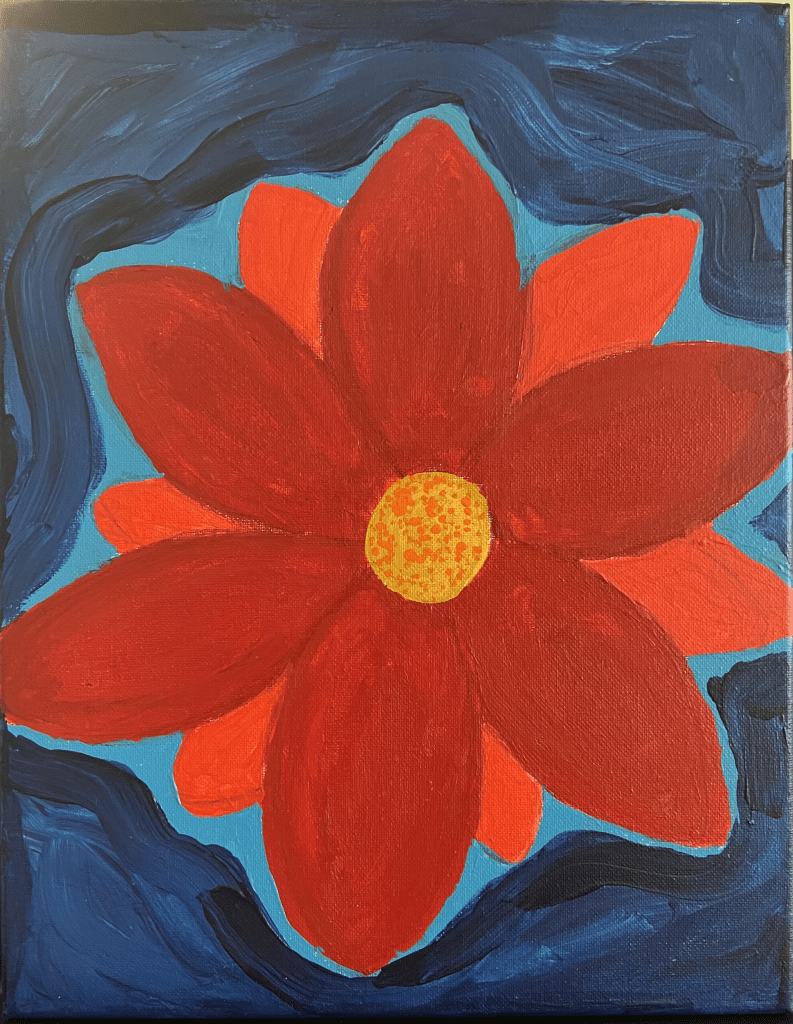
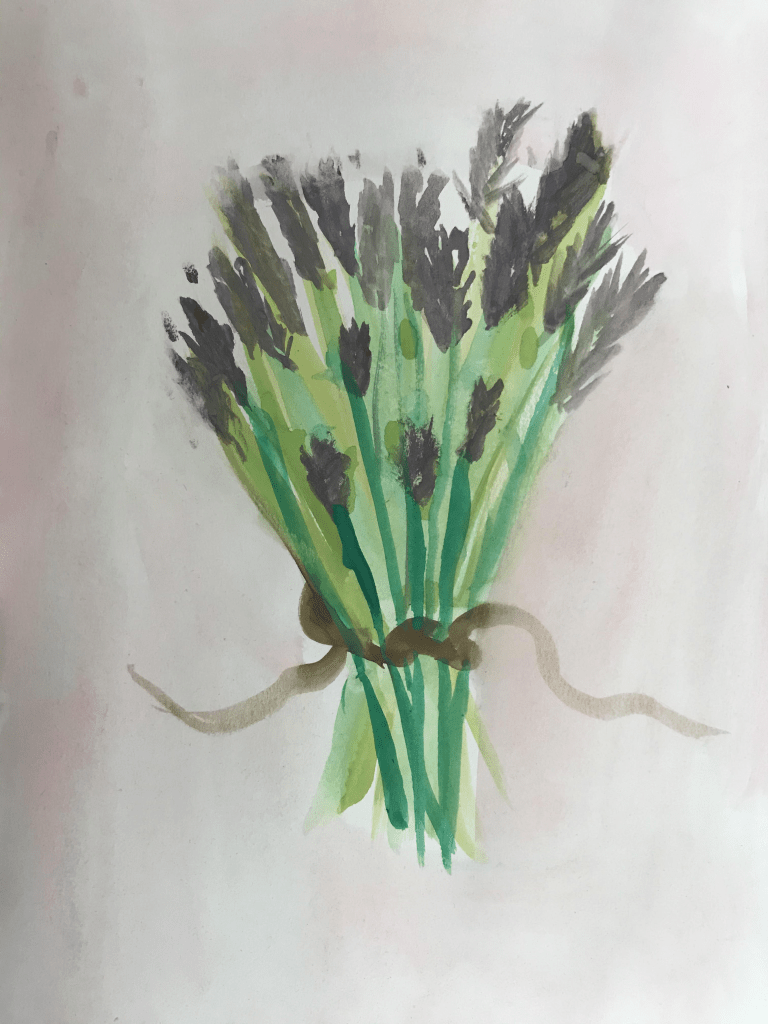
We are already halfway through spring! There are so many colorful flowers in bloom. In fact, there are so many flowers in bloom that this spring was officially announced to be a Super Bloom, the first Super Bloom since 2019. So many flowers! It is starting to feel a little bit like summer already! Before we fully get into summer though, it is predicted that we are still going to get a few more “spring showers” in the near future. All the better for the flowers! Speaking of flowers…
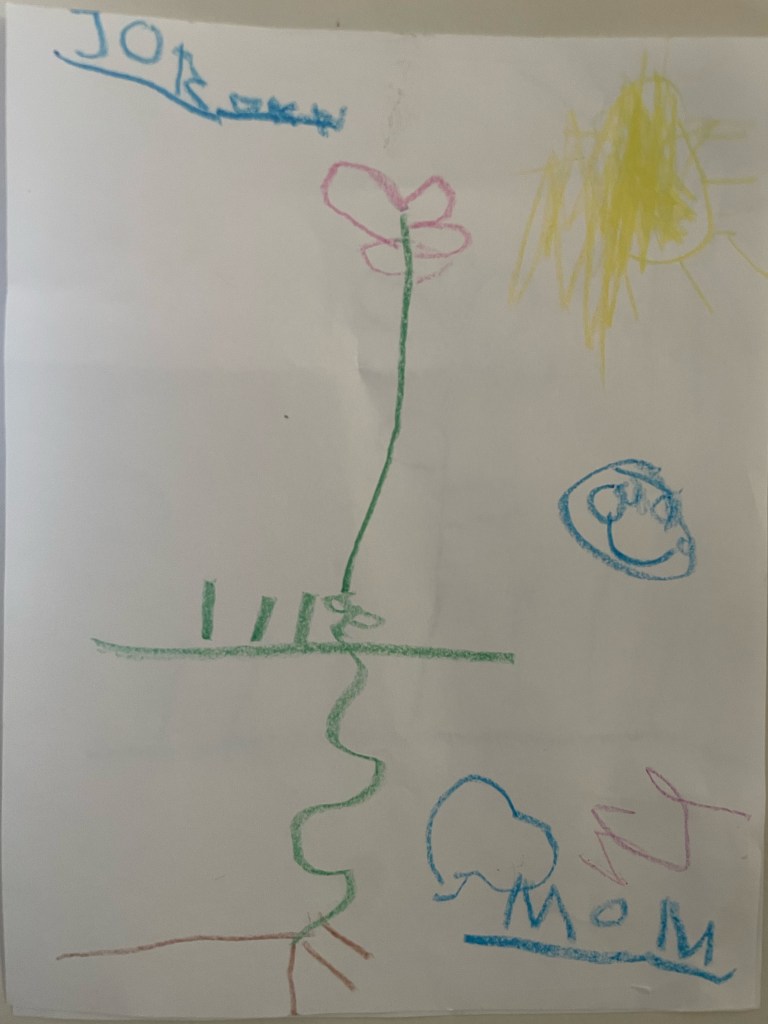
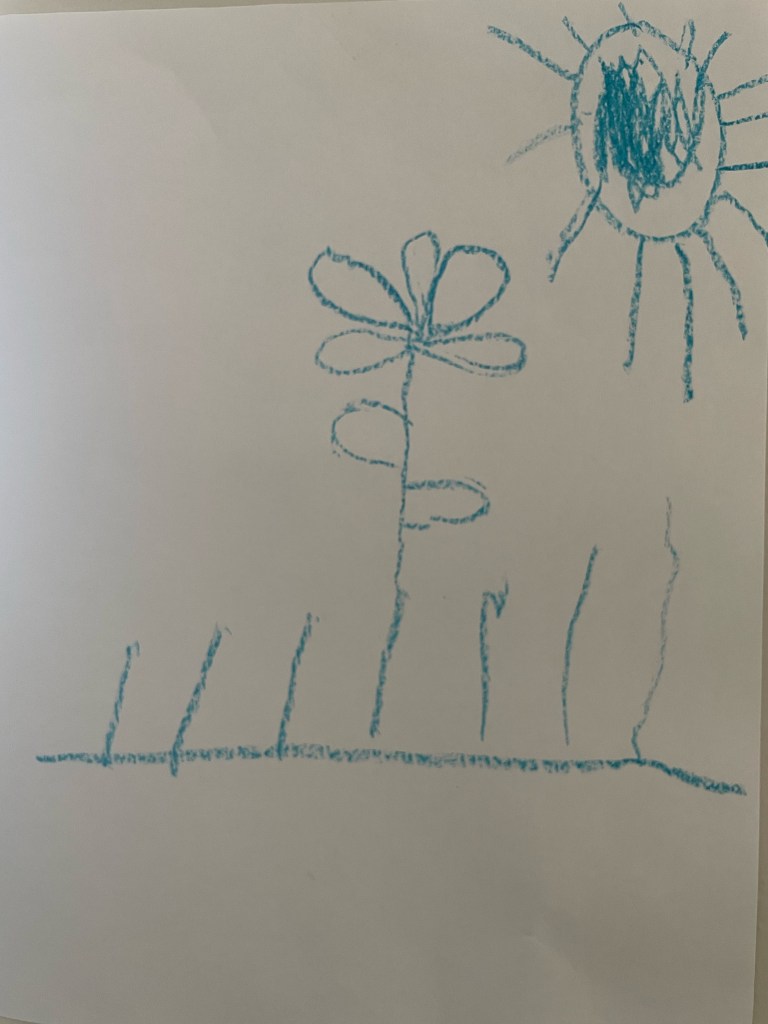
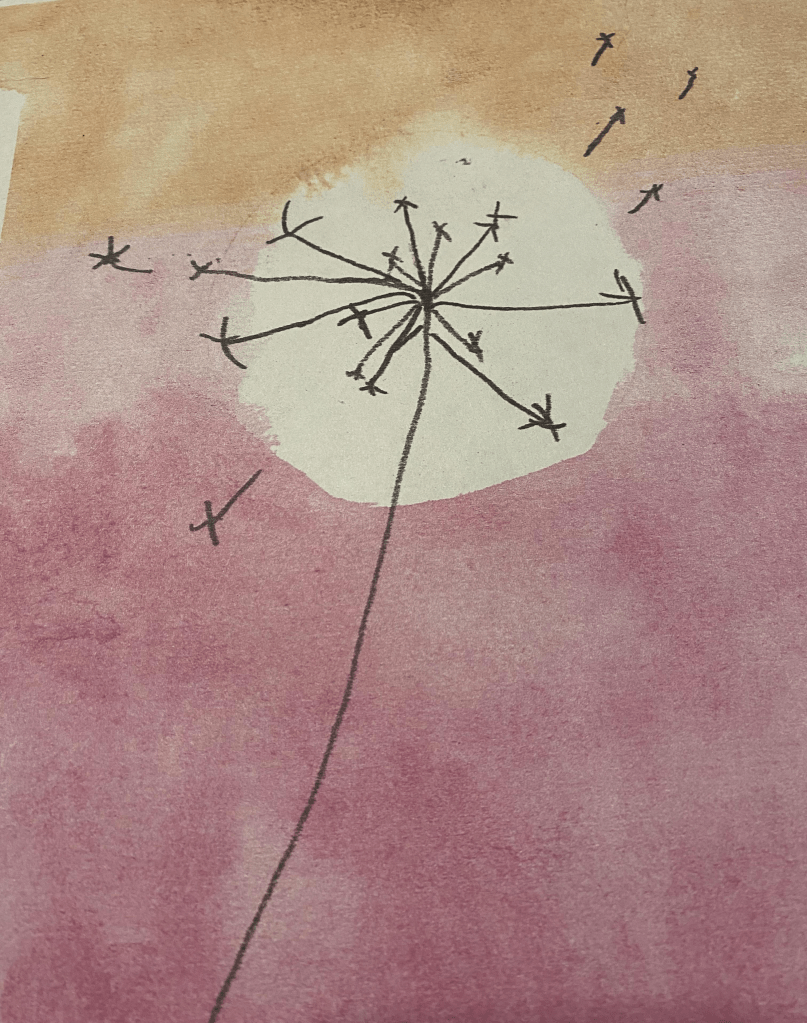
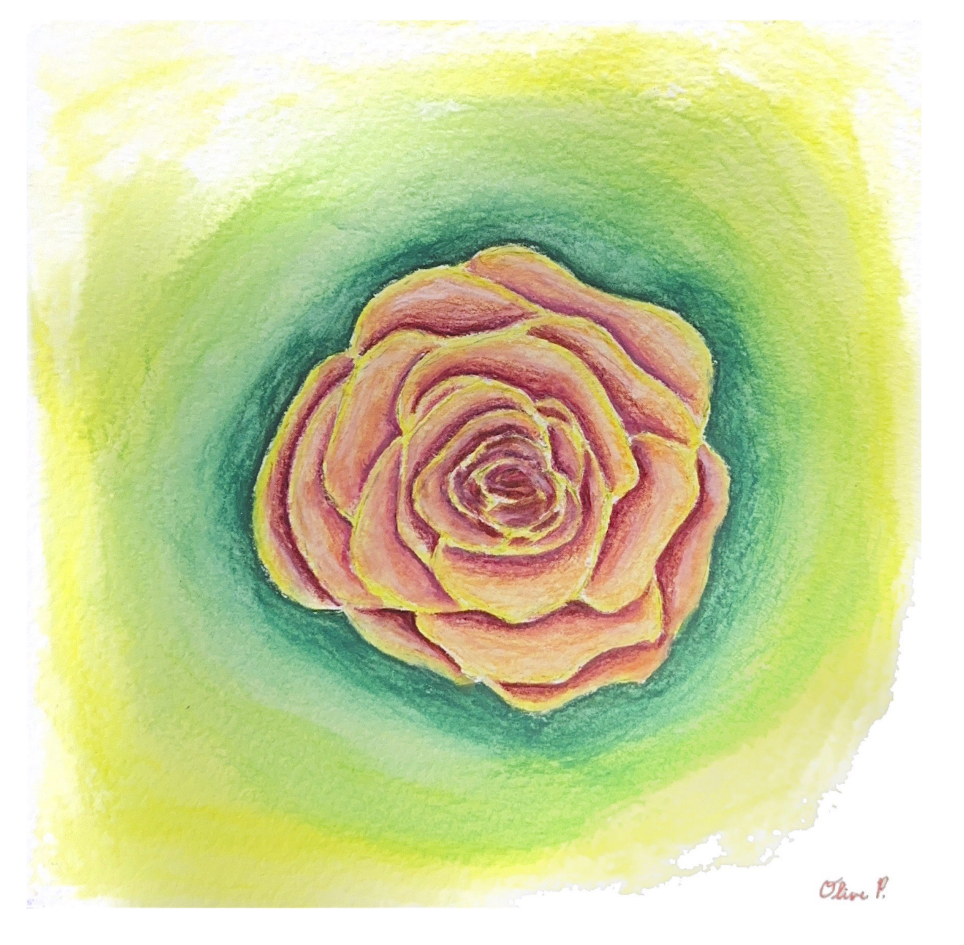
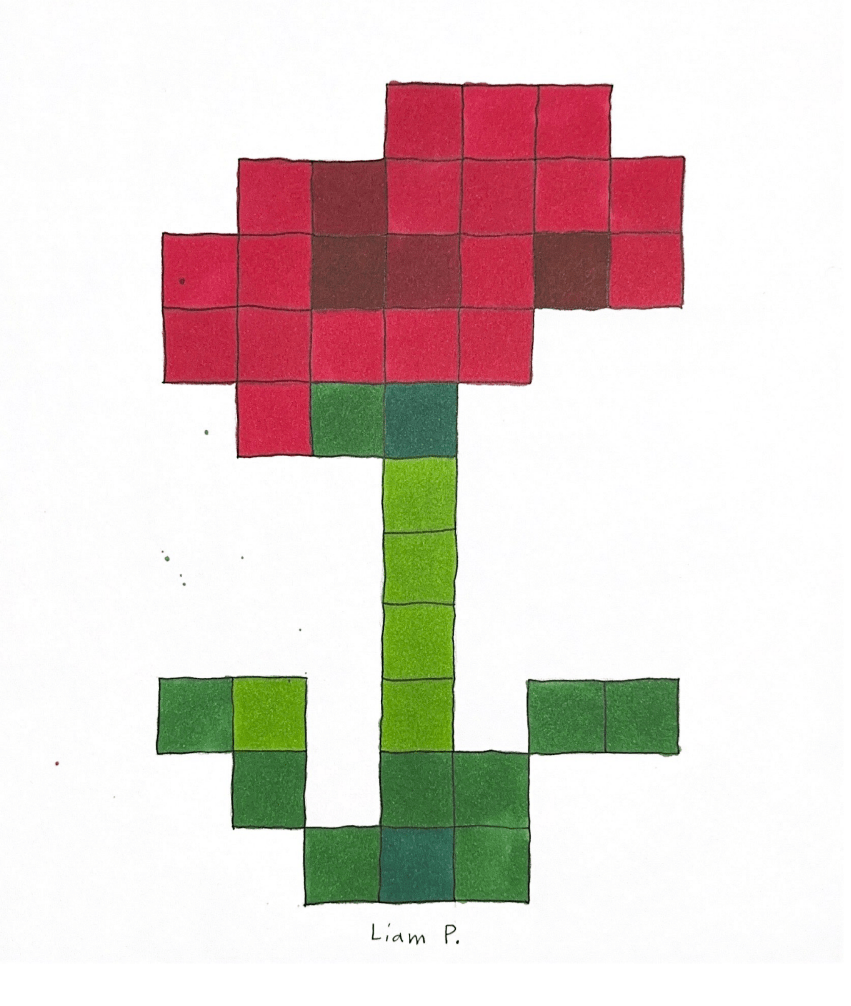
Two months ago we gave you a spring themed art challenge! The challenge was to draw, paint, sketch, etc. a flower of your choosing. We received (3) submissions! (Also a few from our staff). Here they are:
Jordan Olson, age 6
Won the title: The Happiest
Won the title: Most Creative
Maria K., age 10
Won the title: Most Colorful
Thank you all for sharing such wonderful artwork with us! We really appreciate you and your talent.
Here is some art made by a few people on our staff:
by Olive Pea
by Liam Pea
by Meru S.
by Lydia I. Matinov
This is the last official publishing of the Lighthouse, although we will be covering two future events that land just out of our last publication. These events are the Teen Formal (May 6th) and the Promotion and Graduation Ceremony (May 24th). Even though we do not publish through the summer, you can still reach out to us thelighthousetve@gmail.com if you are interested in joining our team. You can also ask us questions right from the home page.
It’s finally time for Summer vacation! It’s that time of year when most families go on a fun vacation. Whether it is by car, boat, train or plane. Getting to the destination takes a while, especially when there’s nothing to do. I would know, because I have traveled many times. Once, I was sitting in my plane seat, staring out the window in boredom, until my mom gave me a sticker book. I spent a lot of time using it, and the time flew faster than the plane.
Printouts
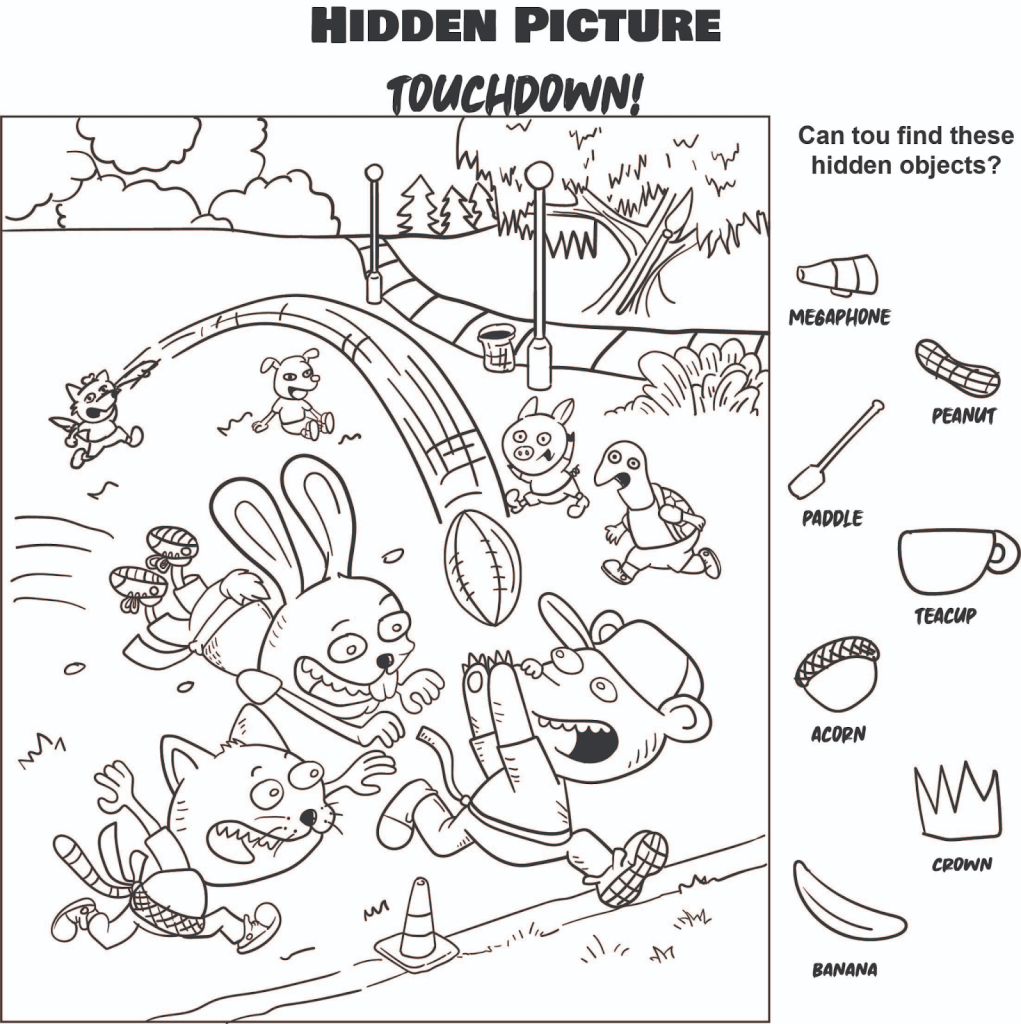
Printouts are very easy to transport, and very fun to use. From mazes to crafts, printouts include a variety of fun activities to do. Another great thing about them is that you only need to print them out instead of rushing to the store and spending lots of money on toys, or expensive things that take up lots of space, and are probably only going to be used once.
If you have a younger sibling about 2 to 6 years old, then I recommend Sago Mini printouts at
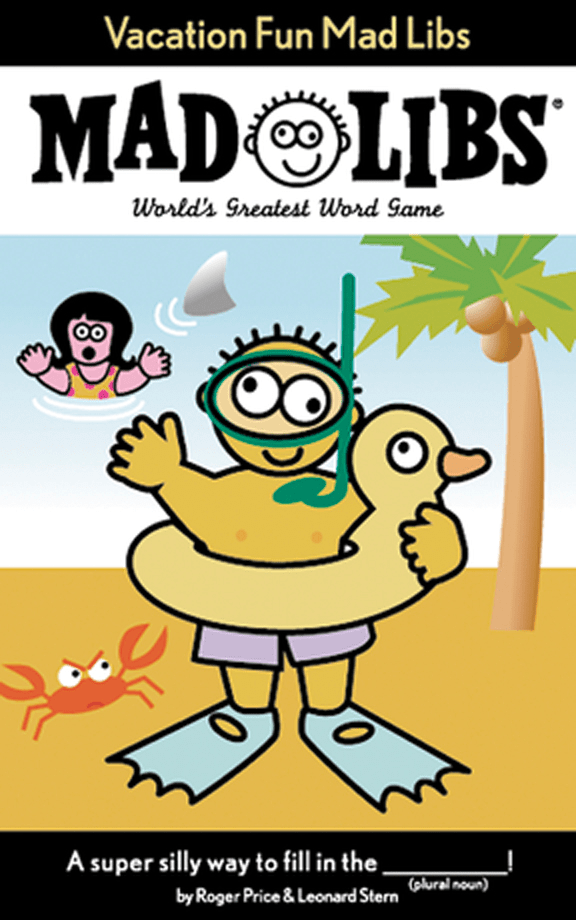
Mad Libs is a favorite for everyone. A great thing about it is that it is portable, and easy to travel with. It’s also fun for the whole family. Mad Libs is a book, and each page has a story where the players have to take turns filling in the blanks. Once all the blanks are filled in, one player reads the story aloud. Usually, the outcome is hilarious. After the trip, kids can play Mad Libs with their friends. Another excellent thing about Mad Libs is that it is the perfect way to practice grammar skills. It’s easier to remember what an adjective is when you have fun learning about it. Mad Libs is also good for hours of laughter. For example, the Little Red Riding Hood probably didn’t have a chair as a hat.
A very popular choice would be this Mad Libs:
If a larger one is preferred, then this one is best:
Photo courtesy of Mad Libs
Movies!
An incredibly popular travel activity is to watch a nice, long movie. Many people keep “Movies to-watch” lists, and traveling is the perfect time to utilize them. Downloading some movies on an iPad, or phone through Netflix, Disney+, or other “on demand movie” apps is a good way to plan your movie-watching ahead of time.
If you need assistance on deciding which movies you would like to watch, I wrote an article in the past with 12 ideas:
Table Topics are cards that come in a small box. Each card has a question on it to ask your family. For example, “What was your all time favorite vacation?”. This is a great bonding experience that gets family members to share interesting facts about themselves. Most people believe that they know everything there is to know about their family, but this game can prove those people wrong. An awesome thing about Table Topics is that they come in packs for specific events. There is a Table Topics pack for dinner parties, road trips, family time, and more.
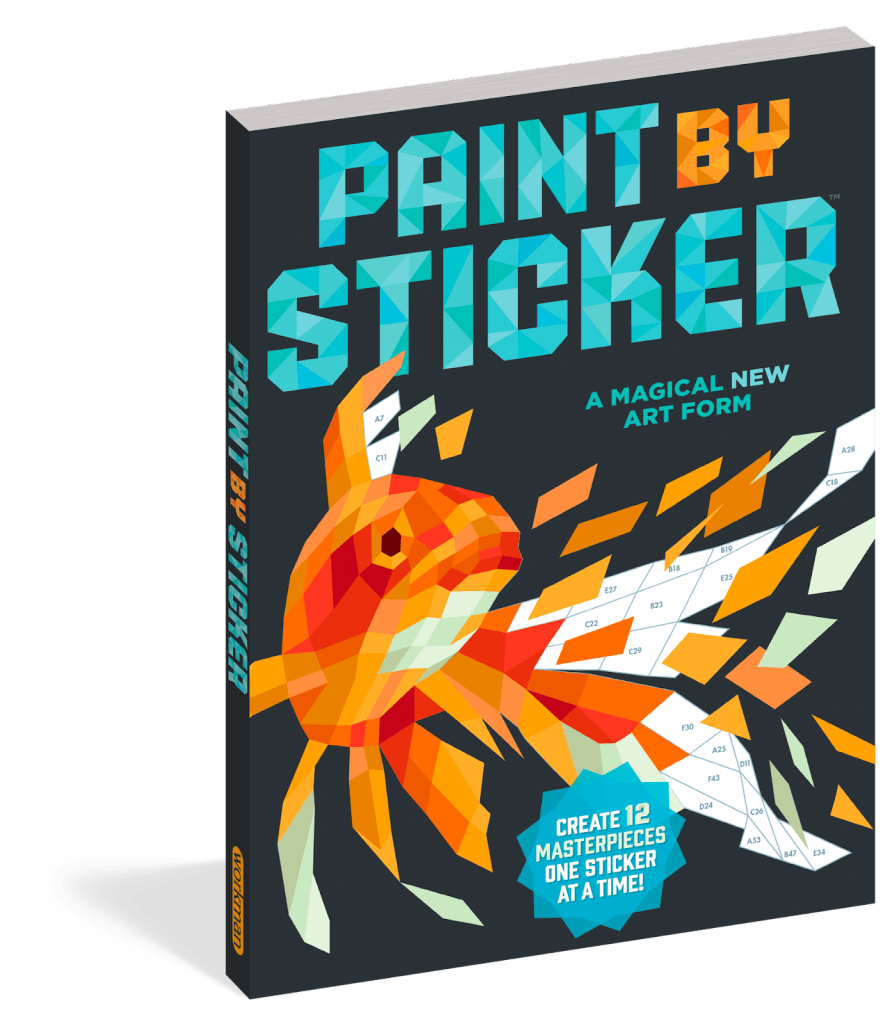
Sticker books are great for children who need a fun activity, and they help little ones improve motor skills. Older kids can have fun with them too. Sticker books can be very cheap, and they come in travel packs. The best part about sticker books is that there are so many varieties. There are “Paint by Sticker” books, jelly sticker books, character dress up books, and more!
If there’s a toddler in your family, I recommend Reusable Jelly sticker books:
Before you read this, here is a glossary of Arabic words:
It’s time for Ramadan! This is the holiest month for Muslims because it is a time to reflect and be conscious of our actions through fasting, prayer, charity, and remembrance of Allah (Arabic for God). My family does so many things around this time of year. Fasting, or sawm, is one of the five pillars of Islam, which are mandatory actions that Muslims must follow. You can see more about fasting below. The word Ramadan means “The Holy Month” in Arabic. Muslims follow the Lunar calendar which does not align with the Gregorian calendar. Because of this, Ramadan does not start on on the same day every year, but instead slips back ten days every year. Ramadan lasts for 29 or 30 days, depending on the year, and at the end of it, we have a huge celebration called Eid-ul-Fitr (Festival of Breaking Fast)! Here are some of the things we do:
1. During the holy month of Ramadan, we fast during the day.
Basically, we have a pre-dawn meal, called suhoor, before the sun comes up. This year, we wake up around 4:30am. After our meal, we perform the first prayer of the day, the morning prayers, and then we go back to sleep. To us, sawm means no food OR water during the day, and it helps us learn self-control. When the sun goes down, around 7:30pm, we break our fast with a date, water and a meal. Afterwards, we pray the fourth prayer of the day, the sunset prayer. Fasting helps us connect with Allah and by not worrying about meals, we can reflect on those that are less fortunate than us, as well as gratefulness for what we do have.
2. We do special nightly prayers, called Taraweeh.
One of the five pillars of Islam is praying five times a day, but during Ramadan, there is a special evening prayer performed every single night, called Taraweeh which starts around 9:30pm and lasts about two hours! This is not obligatory, but we gain so much reward from Allah for performing them. They are held at the mosque (our holy place of worship), and hundreds, if not thousands, of worshippers congregate and pray together. Last year I was able to pray with my friend, and this year I was able to join my mom and sister!
3. We decorate!
Photo Courtesy of Aleena Haimor
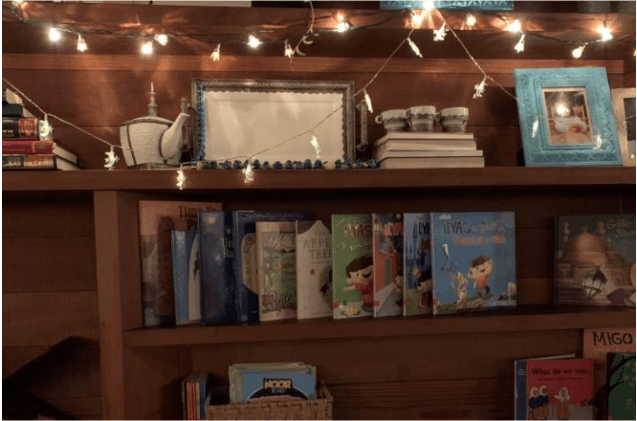
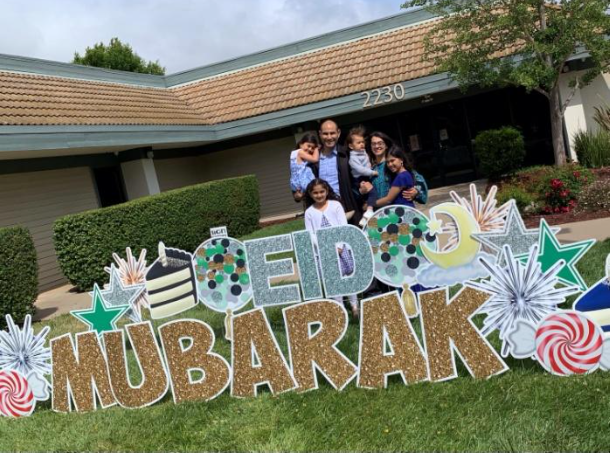
You know how they always bring out trees and lights for Christmas? Well, we do similar things for Ramadan and Eid! We set up lots of pretty lights, and put out our favorite Islamic story books. We bring out a garland that says ‘Ramadan’ and change it out to one that says ‘Eid Mubarak’ when the time comes. Adults gift children money, called Eidi. My family personally decorates not just for Eid, but for Ramadan, too!
4. Good Deeds and Charity.
Photo Courtesy of Aleena Haimor
In Ramadan, we gain more rewards for all of the good deeds and charity that we do. Some examples of good deeds are volunteering, picking up litter, visiting the sick, being generous, feeding others, being kind to others, even smiling at someone else is considered a good deed! Charity falls under good deeds as well. We are asked to give whatever we can to the poor and needy. For Eid, each Muslim family must give Zakat-ul-Fitr, about $15 for each member of your immediate family. Zakat-up-Fitr goes to help the poor and the needy, to give them the ability to buy necessities they need to survive.
Ramadan began during the time of our last Prophet, Muhammad. The Quran (our holy book) was revealed to him during this month. We believe that through the angel Jibreel (Gabriel), Allah commanded that Muhammad and his followers fast for the entire month of Ramadan. It was revealed in Makkah and Medina. Over 23 years, 114 surahs, or 6,348 ayat, were revealed.
Photo Courtesy of Said Haimor, my Jidu
Did you know that there are actually two Eids? One is at the end of Ramadan (Eid-ul-Fitr), and the other is later in the year (Eid-ul-Adha). Eid-ul-Fitr usually takes place at a mosque, and after prayers, we play games and have fun!
Ramadan Kareem, and Eid Mubarak!!!
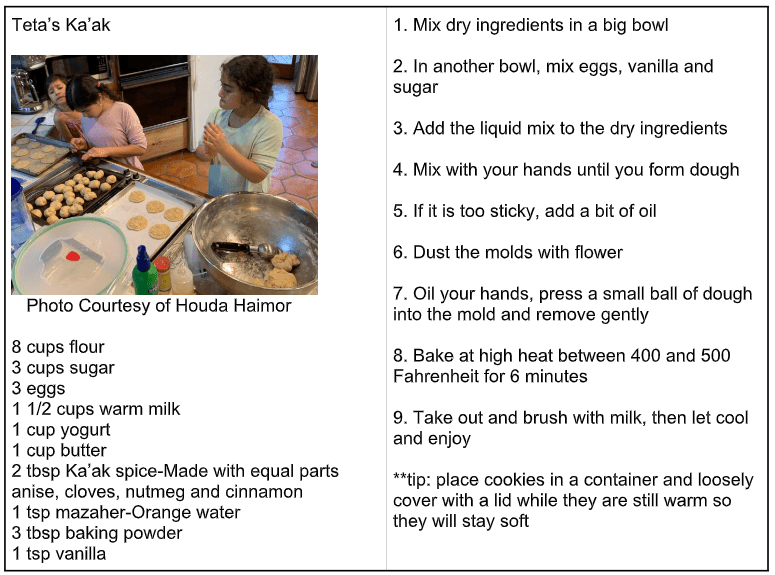
Here’s my Teta’s recipe for a special treat, Ka’ak. It’s a cookie that we make often during Ramadan!










 The Lighthouse