Have you ever wondered what it would be like to hang out far, far away on Mars? Well, you are in luck, because this article has all you need to know about our red neighbor.
Photo by Creative Commons
Mars, (also known as The Red Planet) is a planet with a very thin atmosphere that is about 100 times thinner than Earth’s. If you were to live there, then you would have to wear a spacesuit every day. I like to have a different outfit all the time, so Mars might not be the best place for me. There is red dust all over, which is why they call Mars “The Red Planet”. The average temperature on Mars is minus 80 degrees Fahrenheit. That is colder than both the North and the South pole on Earth in the Winter. You would freeze your toes off in about 5 seconds! Mars is 4.5 billion years old, just like Earth!
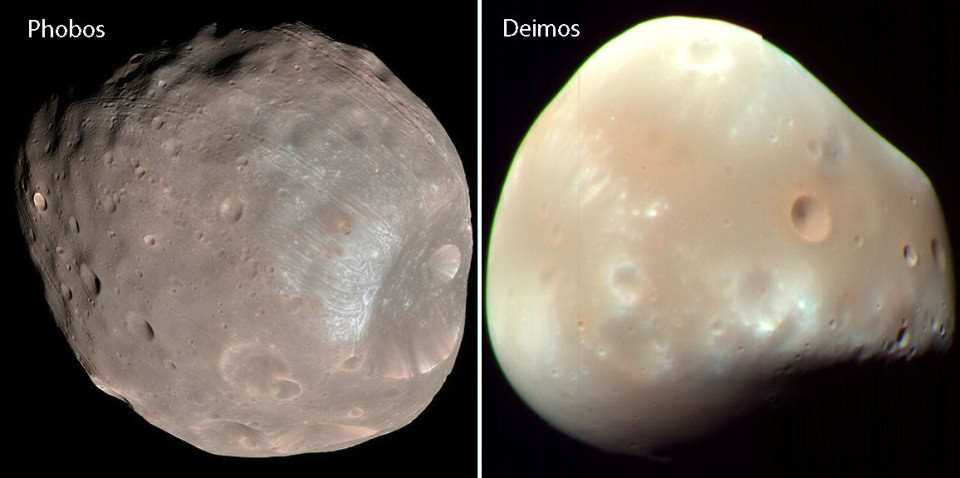
Photo by Universe Today
Mars has two moons called Deimos and Phobos. Deimos is in a bit of a wonky triangular shape, and Phobos is a kind of circular shape with lots of deep craters. Imagine stargazing on Mars and seeing 2 moons instead of 1 every night. That would be amazing! These moons were discovered by an astronomer named Asaph Hall in 1877.
It takes about 6 months to fly all the way from Earth to Mars. Imagine being the first astronaut to sit in a ship for over 6 months to get all the way to Mars. It is probably very boring, but at least, the astronauts get to explore a whole new planet after the trip. So far, no people have ever walked around on Mars, just rovers.
A day on Mars lasts 24 hours and 39 minutes (night and day). Here on Earth it lasts 24 hours (night and day). This is because Mars spins 2.7 percent slower than Earth. You know what that means, more sunshine!
Mars is smaller than Earth. It is about as wide as the continent of Africa. To be exact, Mars is 4,212.3 miles wide and Africa is 4,600 miles wide. Mars is a little more than half as big as Earth.
Photo by Open Access Government
Many people always wonder two things about Mars. First – is there life on Mars? Second – is there water on Mars? Well, I don’t know if there is life on Mars, but I can say that there is water there. It is in the form of polar ice caps, and can be processed to make water for astronauts. These polar ice caps are on the North and South poles of Mars.
Mars was named after the Roman god of war, and that’s because of its color. Red is the color of blood, so they named it after Mars. In fact, many planets and other objects in space were named after Roman gods. For example, Saturn was also named after a Roman god. It was named after Saturn, who was the king of all the gods.
Mars is a really cool planet, and (other than Earth) it is my favorite. What is your favorite planet?
It is Friday evening, and your family is gathered on the couch ready to watch a movie. Nobody agrees on what to see. Mom wants a romance, Dad is looking for an action flick and your baby sibling is asking for Cocomelon. Does that sound familiar? Well, you’re in luck! Here is a list of 12 amazing movies that everyone in your family is guaranteed to love.
1.Shrek
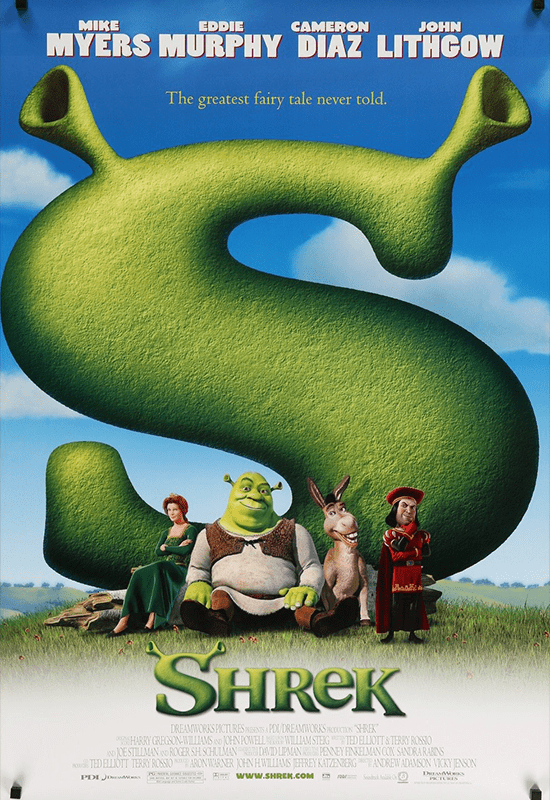
Photo by The Ridgefield Playhouse
Shrek is a very popular movie that many people enjoy for its comedy, adventure, and most importantly, well-known songs. There is even a second and third Shrek!
Shrek is about an ogre who lives in a land of fairytale creatures that most of us are familiar with from famous books and classic stories. This grouch’s home is a little cottage located at what he calls “his” swamp. Suddenly, his peace is disturbed by the fairytale creatures who appear at his house, after being banned from the kingdom by the evil king. Shrek cuts a deal with the king. He goes on the adventure with a very talkative donkey in order to rescue Princess Fiona, who’s trapped in a tower guarded by a dragon, to get the annoying creatures off his property.
You can find this humorous film on Roku, Netflix, Apple TV, Vudu Movie & TV Store, VUDU, Prime Video and Redbox.
2. The Ice Age
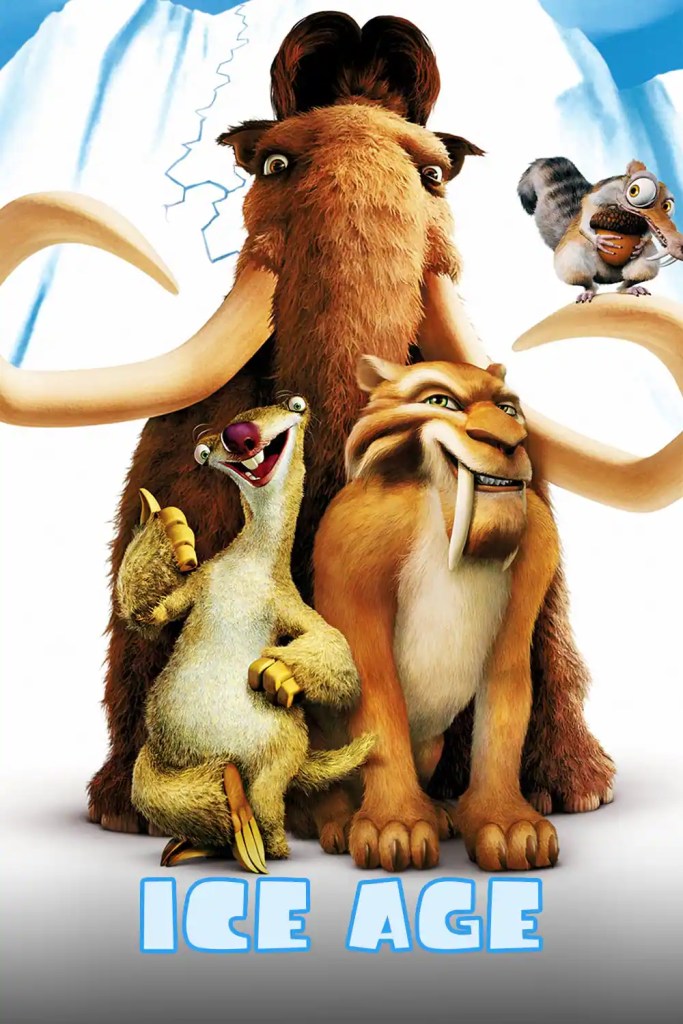
Photo by OTTplay
Ice age is the most humorous of all the funny cartoons. It is very popular too! It is a comedy (of course), adventure and fantasy. There are a few other Ice Age films following this one.
The Ice Age takes place 20,000 years ago, naturally, during intense climate changes. It is about a wooly mammoth, sloth and saber-toothed tiger who become unlikely friends. They find a lost child, and have to return him back to his eskimo family.
You can watch this great film on Disney+, Youtube TV (rent or buy) and Prime Video (rent or buy).
3. Despicable Me
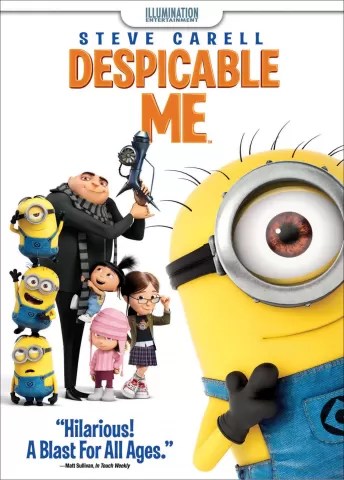
Photo by Universal Pictures Home Entertainment
Despicable Me has always been a favorite, and it has been loved by many others, since it first came out. Its amazing comedy, crime fiction, adventure and fun characters are super cool to see. This movie was so popular that a Despicable Me 2 came out, and then a Despicable Me 3!
It is about a man named Gru, who is not a very kind person, but deep inside, he turns out to be a great guy. He lives with many of his friends who help him with his bad deeds, and he adopts 3 little girls to help fulfill a secret plan.
This must-watch movie is available on Netflix, Youtube, Prime Video, Vudu, Apple TV and Google Play Movies.
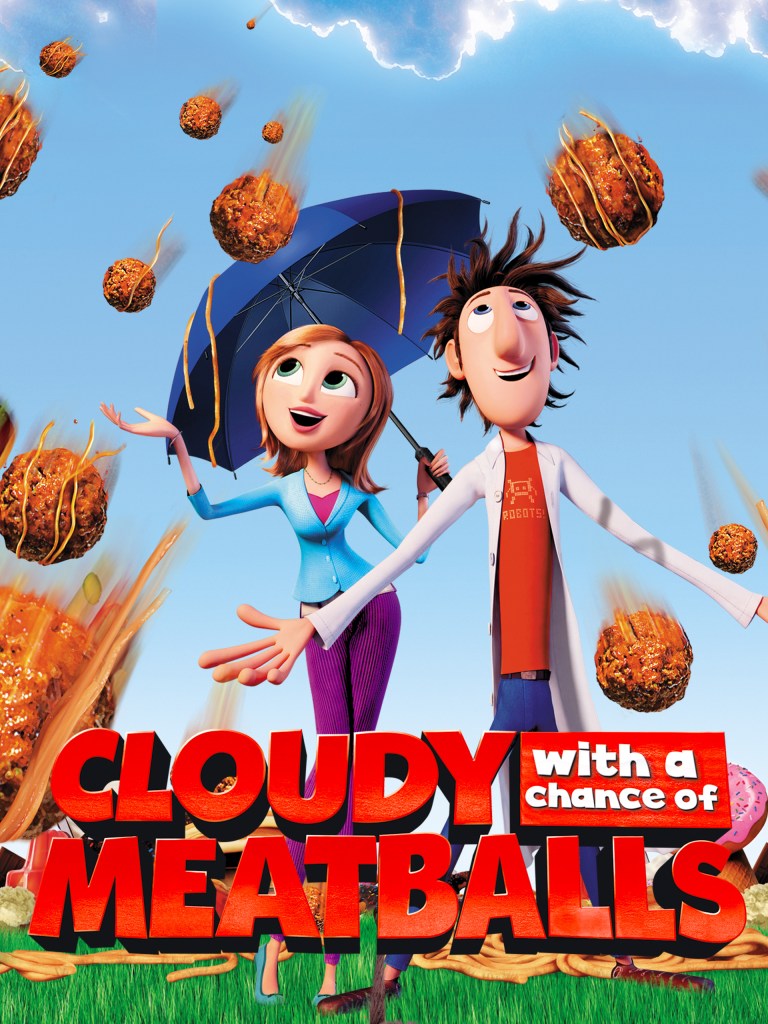
4. Cloudy with a Chance of Meatballs
Photo by Prime Video
Cloudy with a Chance of Meatballs is an absolutely hilarious movie combining comedy, fantasy, and science-fiction. They even made a film called Cloudy with a Chance of Meatballs 2.
You’ll be laughing your pants off when you see how Cloudy, a man who tries to make inventions that work, but keeps failing, makes a machine that everybody loves. But, will his machine cause any problems for the small society he lives in?
You can find this film on Netflix, Prime Video, VUDU, Vudu Movie & TV Store, Redbox. or Apple TV.
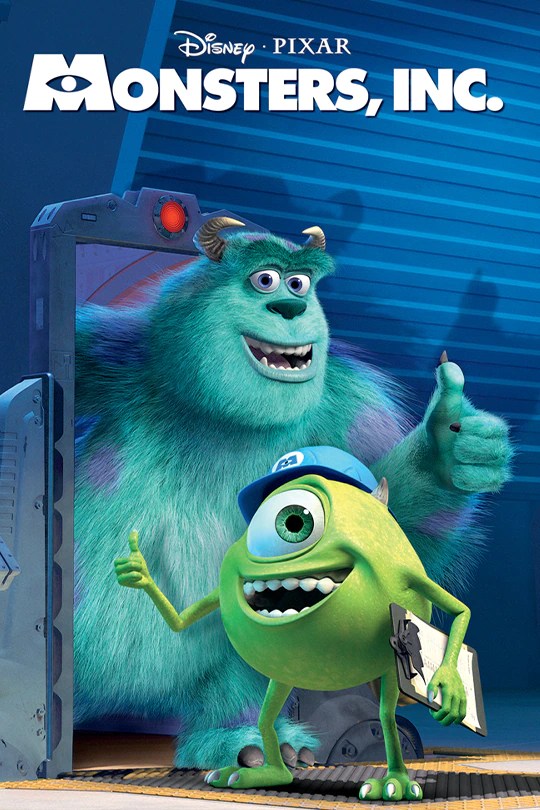
5. Monsters inc.
Photo by Disney Movies
Monsters inc. is a movie loved by all (especially when it first came out). This buddy comedy and fantasy film is a great movie that you will simply adore. It is followed by a sequel called Monsters University.
Monsters, inc is about a monster named Sully and his companion named Mike. At work, they face an odd surprise.
You can find this laugh on Disney Plus, ROW8, Prime Video, Vudu Movie & TV Store, Apple TV, Redbox or VUDU.
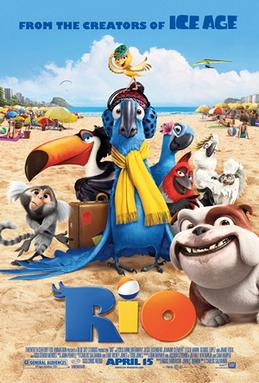
6. Rio
Photo by 20th Century Fox
Rio is a hilarious movie that takes place in, well, Rio. It is a comedy, musical and adventure film.
Rio is about a bird named Blue who fell out of a truck filled with other birds captured at their home in Rio. He was found on the street as a baby by a young girl who raised him. He never learned to fly. She later found out that he was the last of his breed.
This fun watch is available on Hulu, Prime Video (rent or buy), and Youtube TV.
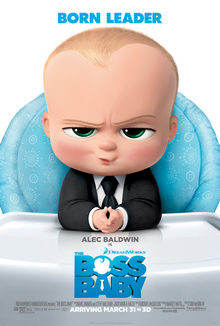
7. Boss Baby
Photo by atomtickets
Boss Baby is a very cute movie about a baby. It is a friendly comedy, adventure and fantasy film.
Boss Baby is about a baby who is delivered to his new family by taxi, after leaving Baby Corp. (a really cool organization that sends babies to their new family) wearing a suit with a briefcase. Tim, the Boss Baby’s new big brother, finds out that his new baby brother is actually a spy on a secret mission including an epic battle between puppies and babies.
You can watch this film on Hulu, Vudu, Youtube TV or Prime Video (rent or buy).
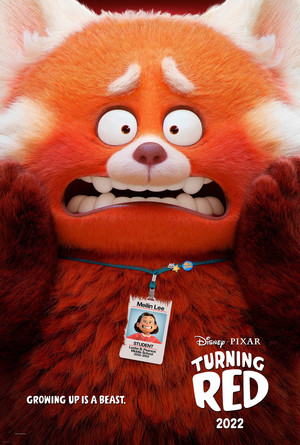
8. Turning Red
Photo by Rate Your Music
Turning Red is a brand new movie that just came out. It is rapidly becoming more popular, and it takes place in 2012. This film combines many genres, including comedy, animation, fantasy, family and coming-of-age story.
It is about a 13 year old, chinese-american girl named Meilin (Mei) Lee. She lives in Canada with her mom, Ming Lee, and dad, Jin Lee. She turns into a red panda when overcome by emotion. Her three best friends help her calm down.
This crazy movie is available on Disney+.
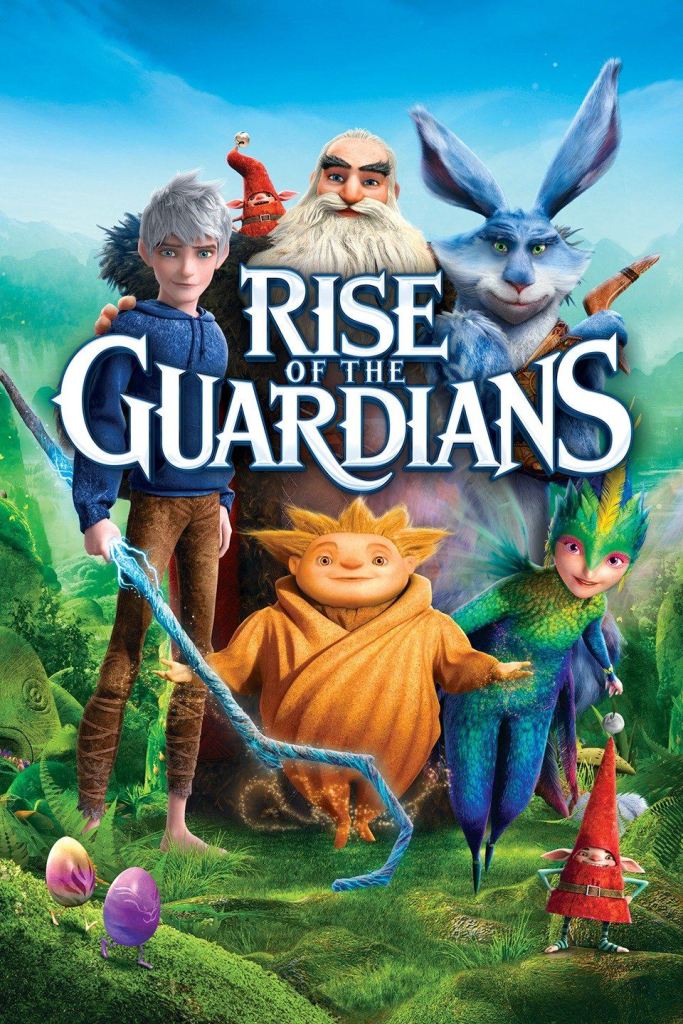
9.Rise of the Guardians
Photo by CivicEgage
Rise of the Guardians is an amazing movie that includes all of your favorite magical people like Santa Claus, Tooth Fairy and the Easter Bunny.
This film is about how Jack Frost goes on a big adventure to become a person more known in the world, so that more people believe in him, but he faces a challenging foe.
This great watch is available on Netflix.
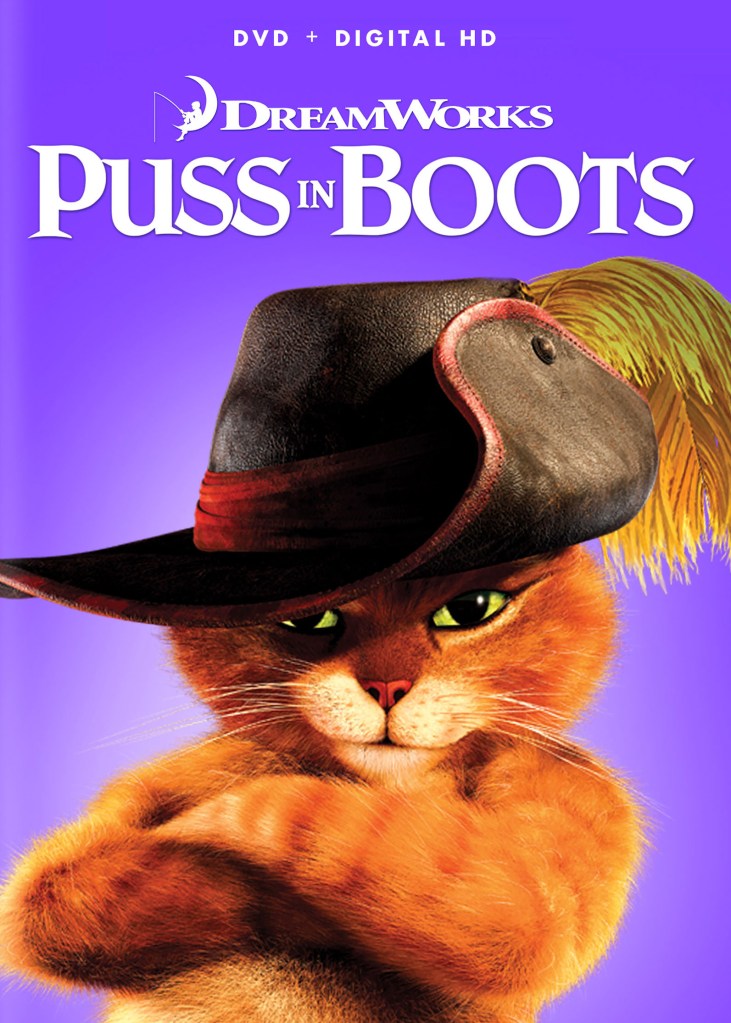
10. Puss in Boots
Photo by Best Buy
Puss in Boots is a really great movie that became an instant hit. It is a major comedy, action, adventure and fantasy film. You saw him in Shrek, and now he got his own movie!
Puss is a cat who was adopted and he saved people in his town as a child. Or, at least, that is what everyone thinks. The hero is actually his friend Humpty Dumpty. Recognize the name? He ends up in jail, because Puss didn’t help his friend who was stuck, while they were robbing the town bank, and Humpty got caught. Follow Puss on a path to becoming a hero instead of a thief!
You can find this adventurous cat on Netflix or HBO Max.
11. Home
Photo by Movies Anywhere
Home is a great movie that is enjoyed by all. It is a sci-fi, comedy, adventure and fantasy film.
Home is about an alien (Boov), named Oh, who travels with all of his other Boov “friends” to get away from the so-called bad guy, Commander Gorg.
You can find this laugh on Netflix and Prime Video (rent or buy).
12. The Bee Movie
Photo by YIFY Subtitles
The Bee Movie is an amazing movie that people of all ages will find worthy to watch. It is a comedy and adventure film.
The Bee Movie is about, well, bees! What is it like living in a hive with hundreds of your family members? Go on an adventure with Barry, the bee, who lives in the hive, to find out what lies outside. This wonderful watch is available on Netflix, Vudu Movie & TV Store, Prime Video, Redbox., VUDU or Apple TV.
Do you love growing vegetables? Would you like to try your hand at starting a vegetable garden? Spring is around the corner, so get your planting tools out!
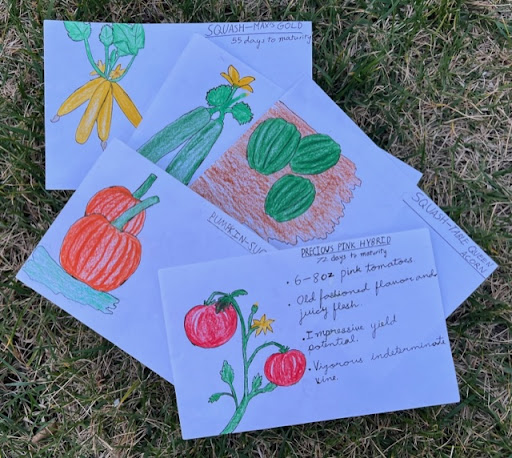
The Garden Odyssey club is having a plant sale coming up this month! They will be at all the TVE Park Days selling tomatoes, basil, squash, sunflowers, and more. Profits from the sale will be used as fees for the club’s field trip to the Filoli Historic House and Garden. Any extra profits will be donated to the East Bay Regional Parks.
The dates for the plant sale are:
TVE Livermore Park Day – Tuesday March 22 2022 1:30 PM
TVE Walnut Creek/Lafayette Park Day – Thursday, March 24 2022 1:30 PM
TVE San Ramon Park Day – Friday March 25 2022 12:00 PM
Photo Courtesy of Ananda S.
All plants were grown by the members of the Garden Odyssey using the best available quality soil and seeds, and with techniques learned from a UC Master Gardener. The Garden Odyssey would like to thank Alden Lane Nursery in Livermore and Sloat Garden Center in Concord for their generous donation of supplies.
The Garden Odyssey is a group of eight children and their parents. They visit a public garden once a month together. Past visits have included:
Blake Gardens in Kensington where they met with the horticulturist to learn about the history of the garden
Rodgers Ranch Heritage Center in Pleasant Hill where they met with the farmer to learn about the activities at the ranch
St. Mary’s College in Moraga where they met with the groundskeeper who gave them a tour of the college grounds and talked to them about the plants and trees on the campus and their care.
During their visit to Blake Garden, the members volunteered to make Caterpillar Crossing signs for the garden paths.
Photo Courtesy of Ananda S.
Please come and check out the sale! The Garden Odyssey hopes to see you there!
You do it. I do it. We all do it. Yep, you know what I’m talking about. Farting! Did you know termites fart so much that it contributes 20 million tons of methane to the atmosphere every year? Birds on the other hand, do the opposite! They don’t fart at all because they lack the bacteria that creates gas. You’re probably wondering how gas is made in your body. A large portion of gas is made by swallowing air when we eat and drink. But we also create gas during the digestion process. First, you eat food (everybody knows that!) Then the food travels into your small intestine where some of it gets absorbed. What doesn’t get absorbed moves to your large intestine where bacteria from your colon breaks it down. During this process, gas is created. After that happens, the gas comes out and BAM! You have a fart. Isn’t that interesting? There are a lot of interesting facts about farts. Like, did you know coral snakes fart as a defense mechanism or that beaded lacewing larvae kill termites using their farts? Thankfully, 99% of what makes up human farts is odorless. The small 1% of sulfur is what actually makes our farts stinky. And while I’ve never heard of anyone dying from a fart, ancient philosophers once believed you could actually fart out your soul! I did not make this stuff up! Well, I hope the next time you fart, you know why and how it happened and can appreciate the science of your fart. TOOT-daloo!
I recently learned I had synesthesia. I was talking to my piano teacher about what the color C was on the piano. She thought it was the color yellow, and I thought it was blue. She said she used to have arguments with her brother (who is also a musician) on what color certain notes were. A few days later my mom said to me there was a Jeopardy contestant describing something called Synesthesia and it sounded similar to the conversation with my piano teacher, so we researched it.
So, what is synesthesia? Synesthesia is a scientifically studied neurological condition where two or more senses are blended together. Some researchers suggest that about one in 2,000 people have it, while others say that as many as one in 20 people have it. The most common form of synesthesia is hearing in color, which means that when a synesthete (a synesthete is a fancy word for someone that has synesthesia) hears a note played on a musical instrument, it makes them think of a color. For example, when a synesthete hears the note C played on an instrument, it might make them visualize the color yellow. Some people can physically see color when they hear music. This type of synesthesia is called Chromesthesia.
Another common form of synesthesia is when a synesthete sees a number or a letter, it makes them think of a color. This doesn’t necessarily mean that they see the letters any differently than a non-synesthete, in fact they can most likely see it the same way, it just makes them picture a color in their mind’s eye (this is the case for me). But some synesthetes can actually see a projection of a color. This is what all the letters in the alphabet look like to me:
For me this also happens with numbers:
It’s not just individual letters that I see in color, I see whole words as colors too. For example, the word synesthesia reminds me of the color yellow. This is not the same case with numbers, because when I see the number 86, the eight is a light green, and the six is still orange. This type of synesthesia is called graphemes.
Some synesthetes associate genders and personalities with letters or numbers. For example, they might see the letter R as a loud and bossy little girl with red hair.
You might be thinking “why does this happen to some people and not others?” Imagine a mind with tunnels that move information from place to place. For example, audio information follows the audio tunnels and visual information follows the visual tunnels. For a synesthete, there are shortcuts that connect these tunnels, allowing the information to pass between them.
I found it interesting that there are a lot of artists with synesthesia. Here are some famous synesthetes you may know:
· Billie Eilish
Billie Eilish uses her synesthesia to help her create her music videos. Eilish explained it as “a thing in your brain where you associate random stuff to everything. So for instance, every day of the week has a color, a number, a shape. Sometimes things have a smell that I can think of or a temperature or a texture.”
· Tori Amos
Tori Amos is a singer that sees songs as strings of color.
· Duke Ellington
Duke Ellington was a jazz pianist that had an unusual version of Chromesthesia. He didn’t just think of colors when he heard notes, he also said that when different musicians played the same note, they each had a different color. He also didn’t just think of color. He described D as “dark blue burlap.”
· Billy Joel
Billy Joel likes having synesthesia, claiming that it brings color into his life. Music makes him picture different hues of color.
· Pharrell Williams
Pharrell Williams is one of the most well-known synesthetes of today. He uses his chromesthesia a lot to help him create his music.
· Franz Liszt
Franz Liszt was a famous Hungarian composer that used his synesthesia to help him compose his music. When he used orchestras to improve the sound of his compositions, he would sometimes say to the musicians “a little bluer!” to get them to play the notes just how he heard them in his mind.
· Vincent Van Gogh
Vincent Van Gogh was taught at an early age that his synesthesia was a disadvantage. When he was learning musical composition, his teacher realized he was connecting musical notes and colors, he thought he was going insane, and refused to teach him.
I have had a lot of fun learning about this fascinating phenomenon. I hope you have enjoyed this as much as I have enjoyed researching it.
Liam Pate is 10 years old and loves to play with LEGO’s. He is currently collecting Minecraft Lego sets. Liam enjoys playing chess and his favorite opponent is his dad. He also likes to play Minecraft with his friends. He loves animals and especially loves dogs. He feels uncomfortable around new dogs but once he gets used to them he likes them. The reason he chose to do photojournalism and videography for The Lighthouse is because he prefers to be behind the camera and likes making short movies with his sister.
Once upon a time there was a writer named Lydia. Her fairytale is filled with animals, kids, and friends. She is 15 years old and in the 9th grade. She enjoys sketching and digital art. Lydia is very passionate about animals, and volunteers at the SPCA animal shelter in Dublin, California. Pet-sitting and dog-walking are some of her favorite activities. She is especially fond of horses, and enjoys horseback riding. Her cat, Katiara, is one of her best friends. Lydia loves spending time with kids, and has taken many babysitting jobs. In the future, she hopes to pursue a career where she can be surrounded by children. She sings in the Danville Girls Chorus, and has taken part in many concerts including a tour in Seattle. Lydia also enjoys Dungeons and Dragons, West Coast Swing, TVE events, film-making, gaming, and a large variety of movies with her co-writers. Her homeschooling journey began in the 4th grade, and joined The Lighthouse in 5th. She is very excited for the new school year, and plans to write about animals, stories, art, and so much more.









 The Lighthouse