It has been a sad couple days for the royal family, for Great Britain and for the world.
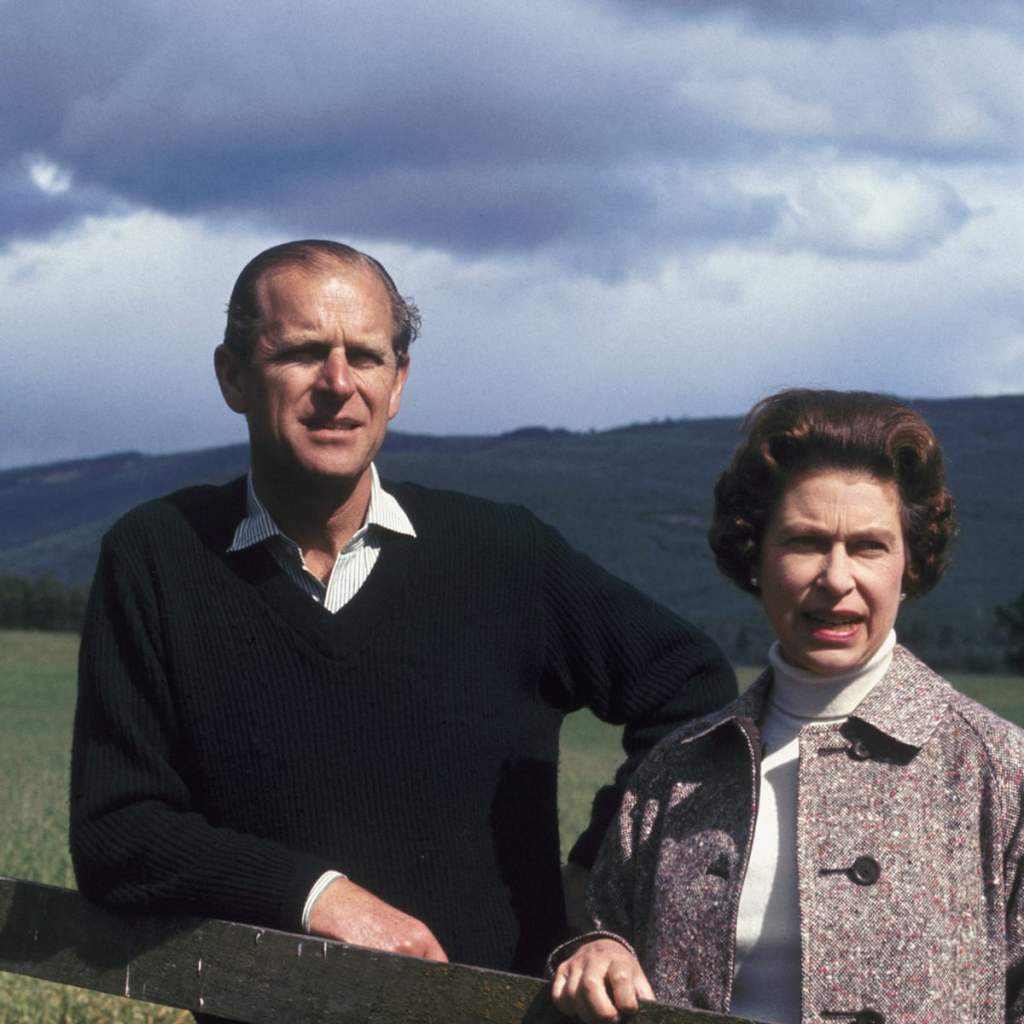
Prince Philip, Duke of Edinburgh, passed away April 9th 2021. The royal family made a statement to share the news on their official website this Friday. They report that he passed “peacefully” in Windsor Castle. Prince Philip and Queen Elizabeth II have been married for 73 years now and have been through good and bad together, being the longest marriage in British monarch history. Their somewhat “fairytale” love story is one for the ages and his extraordinary life is truly one to remember.
Photo Courtesy of Cosmopolitan
He was born June 10, 1921 in Mon Repos, Corfu, Kingdom of Greece to Greek and Danish royal Families, he was the only son of five children and last born. He was related to
George I of Greece, King of Greece from 1863 to 1913 and Christian XI of Denmark because he was in line for both thrones. The Greco-Turkish war went badly, and Phillip’s family was thought at risk and banished from Greece. Phillips family escaped safely in a cot made of fruit boxes and went to France where they settled in a small French suburb.
Photo Courtesy of The New Yorker
Phillip first went to The Elms school, then he went to the Cheam School in the United Kingdom. He lived with his grandmother Victoria Mountbatten in the Kensington Palace, then he lived with George Mountbatten, 2nd Marquess of Milford Haven, in Lynden Manor. Prince Philip’s mother was eventually diagnosed with schizophrenia and sent to an asylum, he unfortunately had little to no contact with his mother for the rest of his childhood. After this he was sent to Schule Schloss Salem school of Germany in 1933. The school was owned by his brother-in-law’s family.
When Philip was 16, his sister Cecilie, her new born child, and two other children, husband, and Cecilie’s mother-in-law all died in a plane crash, then his uncle and guardian died of bone marrow cancer the following year. Phillip endured pain and sorrow throughout his childhood and it scarred him for the remainder of his life.
Photo Courtesy of Tatler
In 1939 he finished his first term in the Royal Naval College and graduated best cadet in his course. In the second world war, he served in the British forces, while his two brother-in-laws fought on the opposite German side. In January 1940 Philip was appointed midshipman and spent four months in the ship, HMS Ramillies, participating in the Australian Expeditionary Force in the Indian Ocean.
Photo Courtesy of The Guardian
In 1939, Elizabeth II and her father, King George XI, toured Royal Naval College, Dartmouth, the college that Philip went to. On the visit, Phillip was asked to escort the two daughters of the King around, Elizabeth and Margaret. Elizebeth fell in love with him and they began sending letters to each other, eventually in the summer of 1946 Phillip asked the King if he would give him Elizabeth’s hand in marriage, the king accepted and they were married November 20th, 1947 in Westminster Abbey.
He was an amazing man with an interesting past and we are all truly fortunate to learn about it now, so we thank him for his service and the extraordinary life that he has shared.
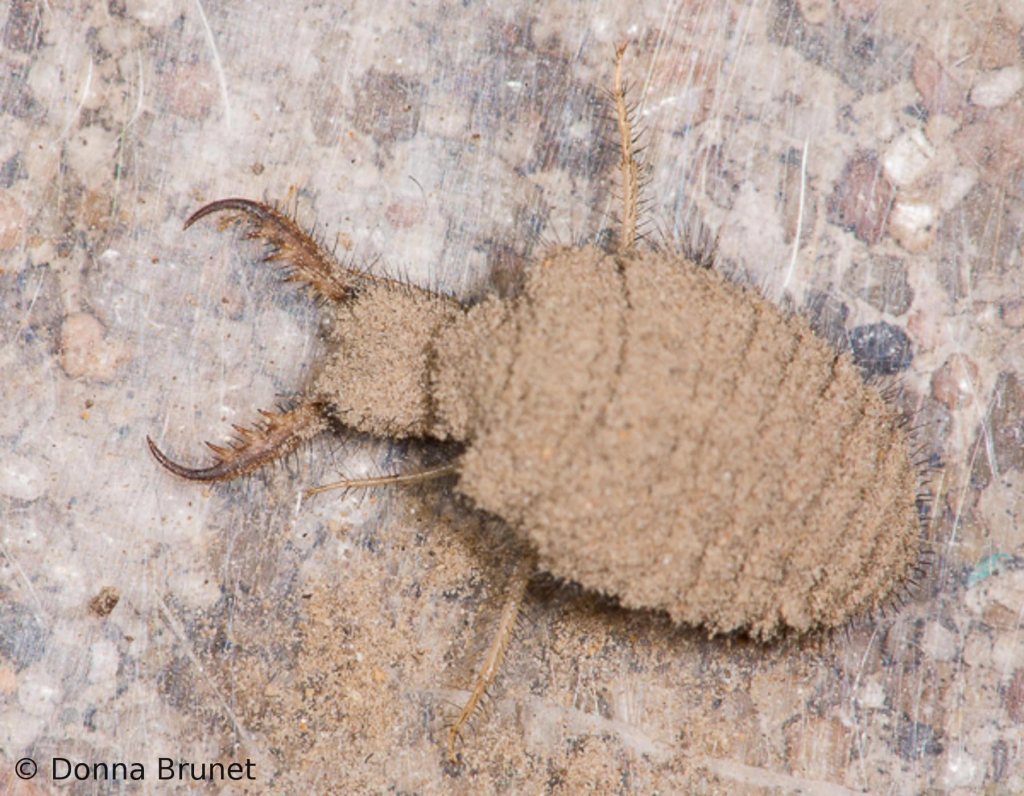
Antlions are a group of insects in the family Myrmeleontidae. They are known for their larvae’s predatory habits, with many species lying at the bottom of pits to trap their prey. There are over 2000 species that live in a lot of diverse environments, from the tropics to places with cold temperatures, though most commonly in dry and sandy habitats. Antlion larva have large abdomens and a thorax with three pairs of legs. The prothorax acts as a neck for the large, flattened head. Their sickle-like jaws nearly double the length of their heads, and the adults closely resemble dragonflies. Antlions are commonly referenced in pop-culture, some examples including three Pokemon based on them, along with the Sarlacc in Star Wars behaving similarly to the larval stage as well.
All of us have a hobby, some like drawing, some like cooking, some like writing, and some like gardening. Whether it be your profession or just a leisure activity we always like a few new tips every once in a while, we all want to improve our game and, let’s face it, put our neighbors garden to shame. So here are some tips to have a better, healthier and happier garden this spring.
Photo Courtesy of Vector Stock
1. Planting your garden by the Lunar Calendar
Planting by the moon phases has been a trick used for hundreds of years. For example, people would plant their seeds and crops during the three day period of the new moon (when the moon is at its darkest).
The moon can affect when tides come up, when tides go down, and the moisture levels in the soil. When there is a new moon or a full moon, the soil swells and the seeds have a better chance of becoming healthier and better established plants.
2. Putting coffee in your soil
Photo Courtesy of The Spruce Eats
Over 50% of Americans over the age of 18 drink coffee daily, so next time you go to get a cup of caffeine, save the coffee grounds and put them in an airtight jar and store in the refrigerator or cool place. Then when you are ready to plant your veggies, sprinkle the grounds on the top layer of the soil. It is important to know what plants you are dealing with, coffee contains a lot of acid, some plants, like azaleas and blueberries love and need acid, but for other plants like geranium, asparagus, fern, Chinese mustard, and Italian ryegrass, it could be detrimental, use wisely and sparingly. We all find those cold, lost, deserted, unfinished cups of coffee scattered around the house that you might throw down the drain (or just on your lawn). But there is a better way, you can either pour the cooled down coffee on your Hydrangea or compost the coffee and the grounds.
3. All About Winter Gardens
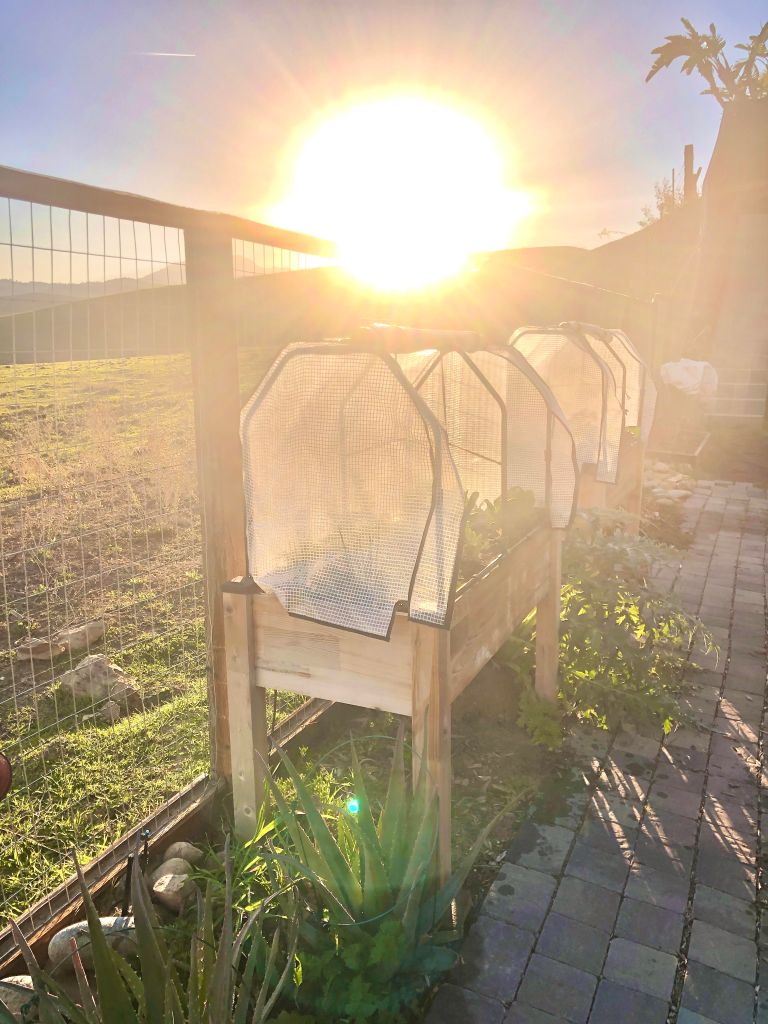
A Winter Garden is a garden box with a zip up cover to block wind, frost and other forces of nature, it is so handy to have when you miss all of your favorite veggies in the cold of winter. When it gets back to spring weather, simply take off the cover and use just the garden box. There are some winter garden covers on the market that are just to cover ground plants. Prices may vary, it really depends on what you are looking for. Some good vegetables to plant in your winter garden are garlic, onions, lettuce, radishes, potatoes, peas, chard, rhubarb, spinach, kale, bok choy and leeks (there’s a Leek in the boat!! Sorry, I had to).
4. How to contain Catnip
Photo Courtesy of The Conversation
If you are like a lot of others and have a furry little beast of your own, then you know the challenge of keeping their favorite, beloved Catnip away from them before it grows. It is by far one of the hardest things to do in gardening, if you plant it in the ground they will rub and roll all over the plant and destroy it. If you plant it in a pot, they are like little ghosts and will find it and knock it off the table or countertop instantly. So what do you do? Try and hide it from the tiny fuzz ball, or just not get it at all? There might be another way.
If you want to grow Catnip in your home, put the seed or pre-grow plant in a plastic pot, put it up somewhere with lots of sun and where your feline can’t get to it. The reason that I say plastic pot is that cats are unpredictable and despite your best efforts of keeping the plant in a high and safe place, your furry friend could still find it. In case they do happen to knock it off the place you put it, the plastic won’t shatter and lead to damaging you, your cat or the floor.
If you want to plant your catnip outside, you can either plant them in your winter garden with the zip up cover that we talked about earlier or make a chicken wire cone about as big as you think your plant will be. But make it tall because you will stick it about 4 inches down in the ground so your cat can’t knock it over. And of course, bend the exposed tops of the chicken wire so it doesn’t poke anybody.
5. How to get rid of Snails and Slugs
Photo Courtesy of Bird Watching HQ
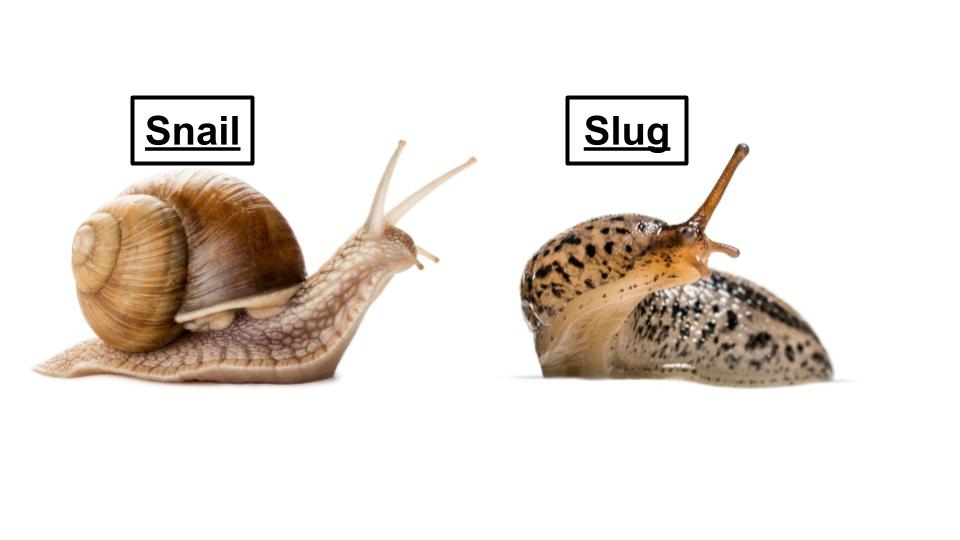
There are thousands of products on the market to get rid of snails and slugs, the problem is, all of them hurt or kill them. There are thousands of products on the market to get rid of snails and slugs, the problem is, all of them hurt or kill them. There are other more natural ways like beer and salt, but they still hurt the insect, so how can you get rid of them while keeping ourselves, the insects, and your garden safe? On a summer or spring night, bring the family out and go on a snail and slug hunt! Grab a bucket and collect as many snails and slugs as you can get. On a good night, you could get up to 300 of them! Then gently place them in your cities compost bin, they will then be transported safely. It is a surprisingly fun family night activity, so grab your rain boots and headlights and let’s find some snails!
Maybe you have some tips and gardening secrets to share, if you do, email us at thelighthousetve@gmail.com and, if you like, we can share those tips in another article. Happy gardening all, I hope these tips help you and your garden and help you enjoy your hobby a little more!
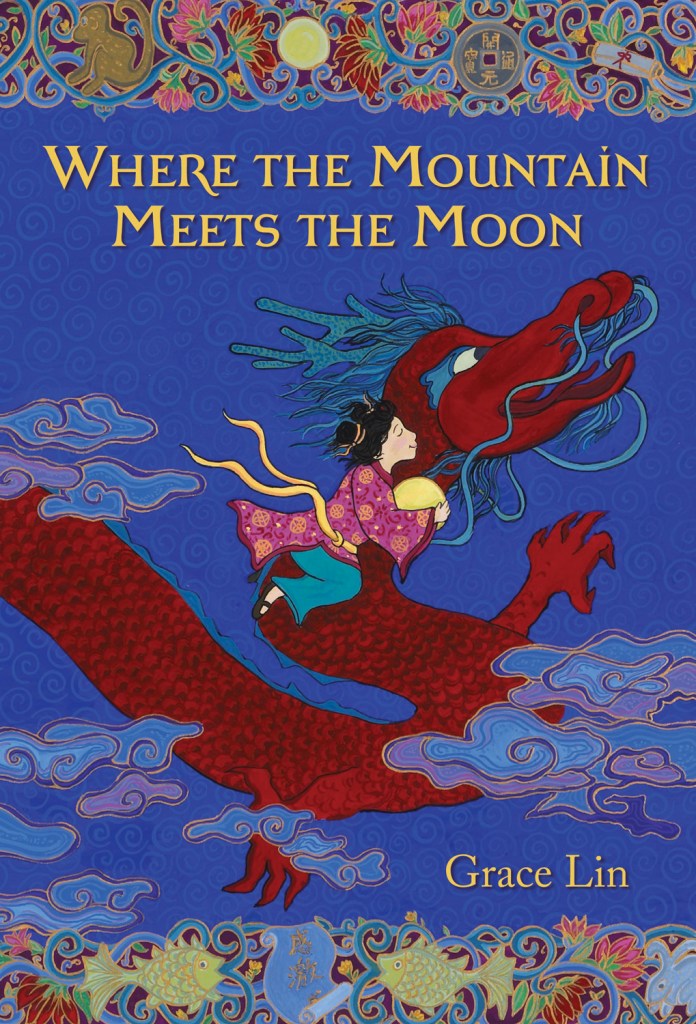
A story entwined within a story, in a world where the tales of Jade Dragon and the Old Man on the Moon may not just be myths. Where the Mountain Meets the Moon is about a girl on a journey to change her family’s fortune. This beautiful and heartwarming novel won a Newbery Honor in 2010. Grace Lin’s rich, interwoven world of magic and myth, accompanied by her glowing illustrations, makes this book both compelling and entertaining.
Jacket Description:
“In the valley of Fruitless mountain, a young girl named Minli lives in a ramshackle hut with her parents. In the evenings, her father regales her with old folktales of the Jade Dragon and the Old Man on the Moon, who knows the answers to all of life’s questions. Inspired by these stories, Minli sets off on an extraordinary journey to find the Old Man on the Moon to ask him how she can change her family’s fortune. She encounters an assorted cast of characters and magical creatures along the way, including a dragon who accompanies her on her quest for the ultimate answer.”
“Before Grace Lin was an award-winning and NY Times bestselling author/illustrator of picturebooks, early readers and middle grade novels, she was the only Asian girl (except for her sisters) going to her elementary school in Upstate NY. That experience, good and bad, has influenced her books—including her Newbery Honor Where the Mountain Meets the Moon, her Geisel Honor Ling & Ting, her National Book Finalist When the Sea Turned to Silver and her Caldecott Honor A Big Mooncake for Little Star. But, it also causes Grace to persevere for diversity as an occasional New England Public Radio commentator and when she gave her TEDx talk “The Windows and Mirrors of Your Child’s Bookshelf,” as well as her PBSNewHour video essay “What to do when you realize classic books from your childhood are racist?.” She continued this mission with a hundred episodes of the podcast kidlitwomen and now currently hosts two other podcasts: Book Friends Forever and Kids Ask Authors. In 2016, Grace’s art was displayed at the White House and Grace, herself, was recognized by President Obama’s office as a Champion of Change for Asian American and Pacific Islander Art and Storytelling.”
Grace Lin can also be found on her Instagram: @pacylin
A popular Easter tradition is that of the easter egg hunt when children collect plastic eggs filled with candy. These treats are said to be left by the Easter Bunny. The character of the Easter Bunny is mysterious and somewhat disconnected from the holiday he represents. What does a rabbit that hides eggs have to do with the Christian holiday celebrating the resurrection of Christ? And for that matter, where do the eggs come from? Does the bunny lay them? That’s not biologically accurate, right?
Although we don’t know the rabbit’s exact origins as a symbol for Easter, we do know that they have long been associated with fertility and springtime in pagan traditions. Eggs have also been connected to fertility. As Christianity spread, it absorbed preexisting symbols and traditions. It is possible that the rabbit and eggs we associate with Easter celebrations were symbols of a pagan spring festival, which was combined with Easter and adopted into the Christian tradition.
The Easter Bunny as we know him can be traced to German immigrants in Pennsylvania in the 1700s. Their children built nests for the rabbit they called “Osterhase.” On Easter morning, their nests would be filled with dyed eggs. This custom became popular across America. Over time the eggs were replaced with chocolate and other candies.
So that is the origin of the beloved Easter Bunny. When you’re collecting eggs next year, remember where he comes from and how he was able to bring some sweetness to your Easter morning!
Last year, a new show aired on the Discovery channel called “Dino Hunters,” and it brought to my attention how some of the behind-the-scenes aspects of Paleontology work. The truth is, it’s not as simple as professional Paleontologists finding fossils and bringing them back to a lab where they can be studied. Private landowners actually find many fossils (at least in America). With even some of the most famous fossils being discovered by them (i.e., “Sue” the T. Rex, and the “Dueling Dinosaurs”).
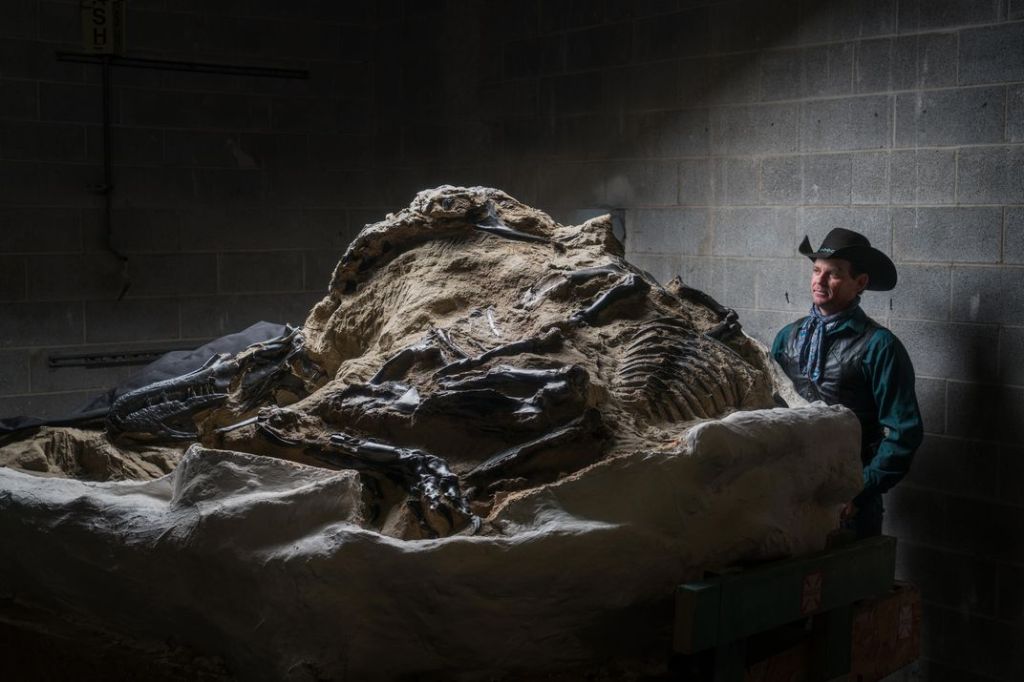
For me, this brings up the complicated question of ownership and whose rights should take priority — Science, Land Owners, or Dino Hunters? For example, the “Dueling Dinosaurs” fossil was found in 2006 by Clayton Phipps, Mark Eatman, and Chad O’Connor. This amazing scientific discovery of an adolescent Tyrannosaurus and a Triceratops presumably locked in combat at the time of their deaths was an incredibly unique find! Where the complication comes in is that the specimen was found on land owned by two different families, the Seversons (who held mineral rights on the land) and the Murrays (who owned the actual land). Due to ownership disputes, the fossil remained unstudied by Paleontologists for over 14 years. Fortunately, after the very long legal dispute, it was sold to the North Carolina Museum of Natural Sciences. However, it was offered to several other buyers, including private fossil collectors.
The Dueling Dinosaurs
I believe private fossil collection can be detrimental to Paleontology. Private collectors have the right to do whatever they want with their property. They could potentially dismantle a fossil that they own and even sell each piece individually, resulting in a loss of control and access for scientific study. As I’ve stated in my previous articles, our understanding is constantly changing and growing due to intense study and new discoveries. Such as a fossil being an undiscovered species or having preserved pieces that other specimens of the same animal don’t. To optimize the potential growth of understanding, specimens have to stay accessible and remain relatively unaltered to be studied properly. If these specimens go into private hands, that results in an inability to study and therefore impedes growth.
But on the other side of the picture are the landowners and Dino Hunters. As highlighted in the “Dino Hunters” show, ranchers turn to fossil hunting as a way to support themselves and their families, as ranching isn’t as profitable as it used to be. Honestly, I can understand why they would try to get as much money as possible for their work. I can also appreciate how “Dino Hunters” has brought to the attention of the general public information regarding private fossil collection and the magic and work that goes into the process of discovering fossils.
As someone passionate about the field of Paleontology, I would love it if all fossil specimens were exclusively under the care of Scientists. Dinosaurs should be more than just trinkets and property of the extremely wealthy. For it’s through scientific study that we can understand and care about these magnificent creatures. So that we all have the privilege to own our planet’s history.
The opinions made in this article do not necessarily reflect that of The Lighthouse
Otamatones are strange instruments shaped like a musical eighth note invented in Japan that sound a bit like synthesizers. They are typically played with two hands, one to press the notes on its “stem” and the other two open and close the mouth on its “head.” It is advertised as being easy to pick up and play but difficult to master. In recent years, they have become rather popular online with the rise of Otamatone covers by TheRealSullyG and others on YouTube. However, especially given that they were invented in Japan, finding the history behind them and their creation requires a bit more of a deep dive.
Maywa Denki was an electric company owned by Hanachi Tosa. The company primarily produced vacuum tubes as a subcontract factory for Toshiba and Matsushita Electric, but the company went bankrupt and shut down due to the 1979 Oil Shock, a huge economic event with devastating effects. Fourteen years later, the name was reused by Tosa’s two sons, Masamichi and Nobumichi Tosa, as a design firm/art unit.
The two worked together on a series of three lines of products. Firstly, their “Naki” series, which are “nonsense objects” designed with a fish motif. Secondly, their “Edelweiss” series, more artistic creations but instead created with flower motifs. Thirdly, and perhaps most well known, their “Tsukuba” line, which included all of their various musical instrument inventions. The brothers performed many live shows with their instruments and inventions, creating several albums in the process.
In 2001, eight years after the founding of the art unit, Masamichi retired at the age of 35, leaving Nobumichi as the president of the company. Nobumichi continued to create artistic marvels and instruments. He earned various awards for his art and live performances, featuring in a number of expositions and events both in Japan and overseas.
2009 marked the birth of our titular hero, the Otamatone, from the creative hand of Nobumichi Tosa. The company started a new series called the “Voice Mechanics Series” with the Otamatone at its forefront. It was a near-immediate success and sold approximately 120,000 units domestically and internationally, winning itself a toy award in Japan in 2010.
Since the release of the note-shaped instrument, its success has only continued to peak. It began to catch the attention of more potential customers, especially with the popularity of Otamatone covers of pre-existing songs. The main performer of these covers, TheRealSullyG, has more than 800,000 subscribers and has inspired several other creators to follow in his example, creating their own songs with the instrument. Though its primary function is playing music, some artists also use it as a subject of photography. Today, Maywa Denki continues to release different variants of their original Otamatone in various sizes, colors, and branded characters. If you want to get your hands on one of these electronic oddities, most versions of the instrument can be found online at around $20. Whether you are a casual instrumentalist, a kid who wants to annoy their parents with its high-pitched “wah”s, or a collector of the weird, the Otamatone has something for everyone.
Much of this article was researched with the help of Google Translate, and as a result, some information may be inaccurate or mistranslated.
Due to the current circumstances with COVID-19, many places like museums and zoos cannot offer their usual experiences to visitors, and, unfortunately, many exhibits and events had to be canceled. However, some places are slowly beginning to admit guests through staggered ticket entry at 25% of their normal capacity, and visitors who can comply with the mandatory safety procedures are starting to be admitted. Additionally, some organizations offer virtual exhibits and online performances in place of visiting, and there are many great online experiences available to enjoy if you know where to find them.
The Asian Art Museum in San Francisco offers in-person visits for those who take necessary precautions, but they also have tickets for online programs and lectures available to purchase on their website. They also have thousands of images of artworks and objects in their free online collection, as well as short slideshows that are available on Google Arts and Culture.
The Monterey Bay Aquarium is not allowing visitors yet, but they are preparing to reopen soon. In the meantime, there are many fun things to explore on their website, including live cams, exhibit highlight videos, and dozens of articles about the animals at the aquarium and their stories. The aquarium is also offering free online courses for kids from PreK to twelfth grade.
The exploratorium is currently closed to the public, but they hope to reopen soon. At the moment, they are offering some free online events and virtual programs available to members. They also have free instruction pages for hundreds of fun science experiments available on their website.
The San Francisco Ballet will not be open during their 2021 season, but they are working hard to provide digital resources to their audience. Currently, they have digital season packages available for purchase, which gives audiences access to stream various ballet performances. Available performances include Swan Lake and Romeo and Juliet. They also have a lecture series available for free on their website.
“Stop lying!” General Rotia snarled. “I know you’re part of the rebellion.”
“No, you don’t, because I’m not,” Kane said from his chair, preparing himself to tell his carefully practiced story of who he was.
Rotia grabbed him by his shirt and lifted him so they were face-to-face. Kane’s feet strained as he tried to stand on tip-toes. Her breath was hot in his face, “How else would you have known about the map?”
“I don’t know about your map.” Kane tried to breathe conviction into his next words, “I’m telling you, I was only on that ship because I thought there would be money. I’m a thief, not a rebel.”
“It means the same thing, boy.”
“No, it doesn’t!” Kane gasped, his collar digging into the back of his neck. “A thief doesn’t have ulterior motives. Those rebels do.”
“And what are their motives?”
“Crushing Carellia and seizing power for themselves. It says so,” he wheezed. “On all the wanted posters.”
Rotia loosened her grip on Kane’s shirt slightly and he was able to stand properly.
He added, “the difference between them and me is that I’m willing to work for Carellia.”
Rotia snorted, “And what would you do, clean the latrines?”
“I’m a thief,” he said as if that explained everything.
“Not a very good one. The only thing of value on that ship was stolen from right under your nose,” Rotia said. “I have no desire to hire a dauvish thief whose loyalty shifts with gold. Especially not one who was caught stealing from me.”
“I never actually stole anything.”
“You are not helping your case.” She was calmer now, almost indifferent. “No, I need your information, not your services.”
“I don’t see why I should give it to you.”
General Rotia looked down at him, her face hard. “You will give it to me because you don’t want to be hanged at sunrise tomorrow morning.”
“Fine. What do you want to know?”
“Your accomplice. He knew about the map.”
“If you’re talking about the other thief, she wasn’t my accomplice. But yes, I assume she knew about the map. It was the only thing she took, as far as I could tell.”
“She was a woman? You saw her face?”
“Yeah, I saw her face. I didn’t know there were rebels that young. I thought they were all older. She was probably the same age as me.”
“She was a rebel then?”
“I assume so,” Kane shrugged. “You said only a rebel would know about your map.”
General Rotia looked thoughtful, but not completely disbelieving. “Could you describe her?”
“Well, she was dauvish. Taller than me, I’d say. And she had curly hair. That’s all I could see. It was dark. I’m surprised the patrol didn’t catch her. She must not have been in the town.”
“What do you mean?”
“Well, they searched the whole place, didn’t they? But they didn’t search the boats. If I was hiding from the patrol, that’s where I’d go.”
Kane had absolutely no idea what he was talking about, but Rotia looked thoughtful. Kane wondered if the thief had escaped by boat. If so, he had no idea where to start looking for her or the map. They’d been so close to getting it and now, because of him, they’d have to start all over. He’d really messed things up.
“Give him to the guards to lock up,” General Rotia said to Gustov, pulling a pencil out of her graying blond braid. “I need time to think. You and your crew will stay at the fort until I decide what to do with you.”
Night had fallen and the hallway outside the library was dark. The main corridors of Fort Goranhall were better taken care of than the back passageway Gustov had used to sneak them in, but it was still the worse for wear. The carpets were worn and lanterns hung only every so often on the walls. The hallway was empty except for the guards in front of the library door. Kane stumbled between Gustov and Erika, his eyes watering from exhaustion. The hallway faded in and out of the darkness. He didn’t know how long they walked. It seemed like ages.
Gustov shoved him through a doorway and his eyes opened with a snap.
“Captain Gustov,” said the guard at the door in surprise. “We weren’t sure if you were coming back.”
“I live to see another day,” Gustov said, stepping into the moonlight.
The guard squinted at Gustov’s crew, who were filing out after their captain. “I don’t suppose you left the general in peace as she asked?”
“Important business. Couldn’t wait until morning. We have a prisoner for you.”
The guard shook his head in amazement as he took Kane’s chain from Gustov.
Gustov grinned, “Well, I’ve got to get my crew some food. Can you handle the prisoner?”
He nodded, still amused. “Goodnight, Sir.”
Kane let himself be led under the firm grip of the guard. He was too tired to protest.
The entrance to the prison was in a small building next to the wall of the fort. The guard led him down a steep, almost pitch-black staircase. At the bottom, it opened up in a hallway lined with cells. The room stank and its closeness to the river made it damp and cold. The icy air washed over Kane as he stumbled past huddled clusters of prisoners. Almost all the cells were full. At the very end of the room, the guard stopped at a cell half the size of the others, with a solid wooden door instead of bars. He unlocked it and opened the door.
“In you go.”
The door closed behind Kane with a clang. Kane stumbled in the ankle-deep mud. The cell was narrow and nearly pitch black. All he could make out were shadows. Something moved. He looked up. His eyes hadn’t fully adjusted to the dark, but he could see the shape of someone standing towards the back of the cell.
“Who’s there?” He couldn’t keep the quiver out of his voice, both from cold and fear.
“Hey, don’t worry. I’m not going to ambush you.” She sounded familiar. “I’m Esti.”
“Oh! It’s you!” He swayed where he stood, a wave of tiredness hitting him. “You were…on the prison cart.”
“Are you alright?” Her voice was closer.
“I’m fine.” He tried to move, but stumbled. His shackles held his arms awkwardly behind his back.
“You’re caught,” Esti said. “Here, let me help you.” She bent down and tugged the chain where it was stuck. “Don’t pull against me, I can’t unhook you if you do that.”
“You’re the one who’s pulling.”
“Step towards the door to give it some slack. There you go.” Esti straightened and brushed the mud off the chain. The end that wasn’t binding Kane’s wrists had another handcuff attached to it. She inspected the cuff. “You know, this isn’t a complicated lock. If the ones on your wrists are the same, I might be able to get it off for you.”
“Really?”
Esti nodded. “It’s drier on that side. We can sit over there and I’ll work on it.”
Kane followed her to the back of the cell. It was darker there, but the floor was hard and less muddy. Esti sat them down next to her sleeping father.
“Is…is he alright?” Kane whispered.
“He’ll be okay,” She looked down at her father, brows knitting. “So long as I get him out soon. Turn around so I can work on the shackles.” She pulled a pin out of her hair and brandished it like a sword.
“Careful!” Kane yelped. “Are you sure you know what you’re doing?”
“Don’t worry,” she grinned, seeming glad to have something to do. “I’ve done it before.”
“If you say so.”
Kane turned around, still wary, and Esti began to pick the lock. It was an awkward position with both hands behind his back, but he tried to be patient with the constant tugging on his wrists. It reminded him of back home when he was little, and Jamal had tried to scrub his hair. Jamal was always the one who’d taken care of those sorts of things before Kane learned to do them himself. His mother was nearly always too busy; having meetings and talking with important people.
“That’s the first one,” Esti said. She freed his wrist and Kane sighed in relief, shaking out his arm to get the blood circulating again.
“You have no idea how good it feels to have my hands more than a foot apart,” he said, laughing. More seriously he added, “Thank you.”
“Of course. Here, give me your other hand and I’ll do the next one.” As she started to pick the lock, she asked, “What’s your name?”
“Oh! I’m Kane. Sorry.”
She laughed. “That’s okay.”
He watched her jiggle the hairpin in the lock, twisting it from left to right. He closed his eyes, leaning his head on his free hand. “Do you know why we’re the only ones in this cell? The rest looked full.”
“I think this is the high-security cell. For potential rebels.”
“You’re a potential rebel?”
“You heard my father on the cart, didn’t you? He was caught stealing from the patrol camp.”
Kane chose not to mention that stealing food wasn’t usually a reason to be arrested as a potential rebel. Instead, he asked, “But you weren’t caught? Then why are you here?”
“I couldn’t let him go alone. Our family has already been separated enough.”
“That’s…very brave of you.”
“Or stupid,” she sighed, pushing her dark hair out of her face. “I didn’t have time to think of a better plan.”
Kane shrugged. “My brother used to say that no plan is stupid until you look back on it. And then there’s almost always a better solution. But you can’t blame yourself for not seeing it at the time.”
“He sounds very philosophical,” Esti said, lifting Kane’s wrist to get a better angle on the lock. There was a click and it sprang open.
Kane shook his hand out. “He was philosophical sometimes. But most of the time he was getting everyone into trouble by daring them to climb roofs or something. He was kind of a natural leader, but he liked pranks. It drove our mother crazy.” He yawned, remembering how tired he was.
“Did you sleep on the cart ride?” Esti asked. Kane realized she’d been studying him.
“No.”
“You look exhausted, you should try to rest.”
Kane shrugged and lay down on the cold dirt. He was exhausted, but he didn’t think he could sleep. There was too much to think about, what with his failure to get the map and the fact that he was in a Carellian prison. There was no way he’d fall asleep with everything on his — Kane’s eyes closed and he drifted off before he could finish his thought.
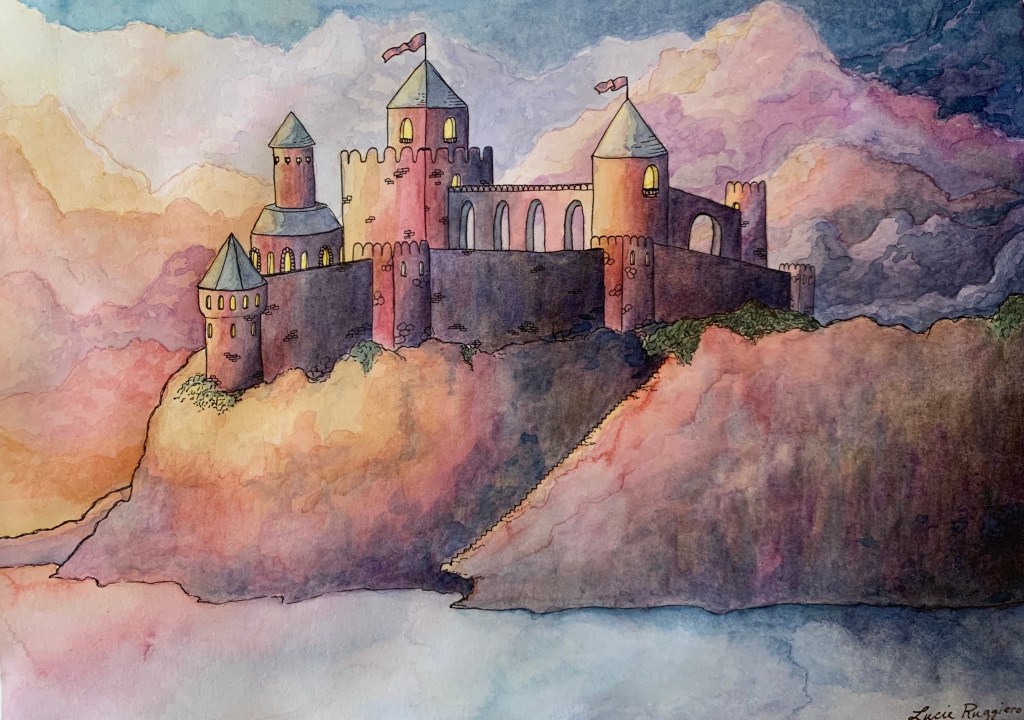
The Eastern Carellian army headquarters loomed over the barley fields of Danabe. Built long before the Carellian invasions, Fort Goranhall used to be a Danabian fortress. Its stone walls had given protection to Danabians in times of war and had housed their army. At least, that’s what it was supposed to do. The Carellians had broken through those defenses during the invasions, and now the fortress, and the country, were controlled by Carellia’s army.
Fort Goranhall stood on the banks of the Goru, at the convergence of the Yet and Sti rivers, its size dwarfed by the immensity of the Goru. The Goru river was as wide as a lake in some places. Anyone who wished to cross it had to take a ferry, and all ports in or out of Danabe were closely guarded by the Carellians, making the land effectively a prison to its people.
Kane wished he could see the river instead of the gray, windowless stone walls of the fortress. The air was dank, with a muddy sort of humidity, and the passages were dimly lit. His neck prickled from dried sweat. What he would give to jump in the refreshing water and let his problems float away. Joining a mission was not what he’d expected or hoped it would be. His feet ached, and his hands stung. So far, this trip had been more exhausting than exciting. Now that the adrenaline of capture had worn off, he felt drained. Why use energy on worry? The worst was passed. He’d go to jail; he’d sit in a cell. It would be dark probably. Cool. He could sleep. Sleep, sleep would feel goo–
A jerk on his shackles sent him lurching forward. Jamal’s hand barely prevented him from crashing face-first onto the stone floor. Kane caught his balance and looked up. They had stopped in front of a wooden door. Captain Gustov pushed it open.
“The general doesn’t usually see people this late in the day, so we’re going to bypass the guards.” He waved them through the doorway but stopped Jamal. “You might want to wait here; the general doesn’t trust duaves, even those who are working for her.”
Jamal shook his head. “I’m coming, Sir.”
Captain Gustov probably thought Jamal wanted to prove his worth, but Kane knew Jamal was coming to stay with him, and he was grateful.
Behind the door was a spiral staircase, just as shadowy as the passages before. They stamped up the stairs in single file. At the top was another door, which the pirates shuffled through, Kane and Jamal last. When Kane stepped through the door, the sunlight dazzled him. He shook his curls out of his face and gaped over the vast swaths of barley stretching below to his right. The great Goru flowed steadily on his left, stretching so wide that he could barely see the opposite shore. And dwarfing it all were the Baikans, snowcapped and rocky, towering in the distance. He breathed in the clear air. It was beautiful.
Captain Gustov seemed unfazed by the spectacular view from the walkway. “Hurry,” he said. “I want to finish talking to General Rotia before nightfall.”
They continued to the far tower, Kane soaking in the outside world. He’d heard Danabe was an incredible place before the invasions, and seeing it, he believed it. Canals cut through the green and golden fields, reaching as far as the eye could see. From far away, it was hard to believe that poverty and famine plagued the country. Kane looked back at the peaceful landscape as he stepped through the tower doorway. Why did it have to change? He sighed and ducked into the tower.
They stood at the top of a staircase that ran along the edge of the tower wall. Panels in the roof were open, allowing sunlight to fill the tower. At the bottom of the staircase, the tower opened into a large open room. In the center of the room, a long wooden table sugged under the weight of stacked maps and documents. Overflowing but dusty bookshelves lined the round walls. It must have been a library before the invasions, Kane thought.
A tall woman stood bending over a map at the table. She straightened at the sound of the tower door and turned to squint up at them through the late afternoon sun.
“Who is it?” Her voice wore armor. It sent shivers down Kane’s spine.
“General Rotia,” Captain Gustov sounded weak compared to the General. “It’s good to see you.”
“Captain Gustov,” General Rotia sounded disdainful. “I certainly hope, for your sake, I agree with you. This had better be important.”
Captain Gustov beckoned to his crew and walked down the stairs.
The general waited for him to stand in front of her, “Did you retrieve what I sent you to find?” Kane could tell she thought it unlikely.
He frowned, surprisingly calm for someone whose life depended on a map he did not have. After weighing his options, he spoke.
“We found the map, Ma’am.”
General Rotia raised her eyebrows. “Really?” She drew out the word. “Well, where is it?”
“It was stolen off our ship in Agora harbor.”
“I see.” The general clearly thought he was lying. “That is very disappointing.”
“Indeed, Ma’am,” Captain Gustov said, pretending he thought she believed him. “However, we captured the thief’s accomplice. Erika?”
Erika took the chain from Jamal and led Kane forward. General Rotia’s eyes widened a fraction of an inch, then narrowed as she turned to Gustov. Her voice was icy.
“I don’t know what you’re playing at, Captain, but if you are lying, I assure you I will personally make the rest of your life a living hell.”
Gustov shifted his weight, not breaking eye contact with the general. “I understand. Shall I continue?”
She nodded.
“We had docked in Agora for the night, and I left two of my crew to guard the ship. They saw two figures on the ship. Jamal went for help, and Erika stayed. She says she shot her pistol in the air as a warning. One of the thieves jumped overboard, and Erika caught the other. By the time I got there, the curfew patrol had also arrived. In the confusion, we didn’t realize the map had been taken. By the time we did, the other thief had escaped.
“We sent out a search party but couldn’t find him. The patrol guards can confirm my story, at least, the part they were there for. I thought you should know as soon as possible, so we came directly from the harbor. You have more resources than I do. The thieves are Dauvish; they might be part of the rebellion.”
Kane’s insides shriveled as the general trained her hawklike stare on him. His blood pounded in his ears. There was no escaping it. Jamal needed to keep his cover as one of Gustov’s crew. He would have to do this alone.
General Rotia was speaking. “I admit, your story is plausible, Captain. If nothing else, you’ve brought a possible rebel, so you are not a complete disappointment. I am willing to let your failure to bring the map slide. Of course, you will have to make up for it, but it won’t be in prison.”
Gustov nodded gratefully, “Thank you; I am in your debt.”
“Undoubtedly.” General Rotia smiled. “Luckily for you, I may be in your debt as well.” She turned at Kane, and his blood froze. “You, on the other hand, are in a rather sticky situation.”
“You aren’t any use to me unless you have information, and I get rid of things that aren’t useful. However, if you do cooperate, I will limit your punishment to prison. You seem like a reasonable young man,” She sneered as she said it. “What will it be?”
“I’ll take prison, please,” Kane said, trying to keep his voice steady and failing spectacularly. Out of the corner of his eye, he saw Jamal move, but he kept his eyes firmly on the general. “I have information.”
“Good. I’m glad we are on the same page.” She motioned to the chair she had not offered Gustov. “Why don’t you sit down so we can get started?”

















 The Lighthouse